
Who saw Jesus alive after he died?
Friends, five hundred, and two skeptics
A 8-minute video▶ Watch the one-minute ShortWatch the whole series on YouTube
The short answer
His friends, more than five hundred people at once, and two men who didn't believe in him at all. Paul wrote down the list around AD 55, while most of them could still be asked. The one explanation that fits all of it is the one they gave: Jesus rose from the dead.
The earliest list
An empty tomb tells you a body is gone. It doesn't tell you where it went. What turned Jesus's friends into witnesses wasn't the tomb. It was what they said happened next: they saw him alive.
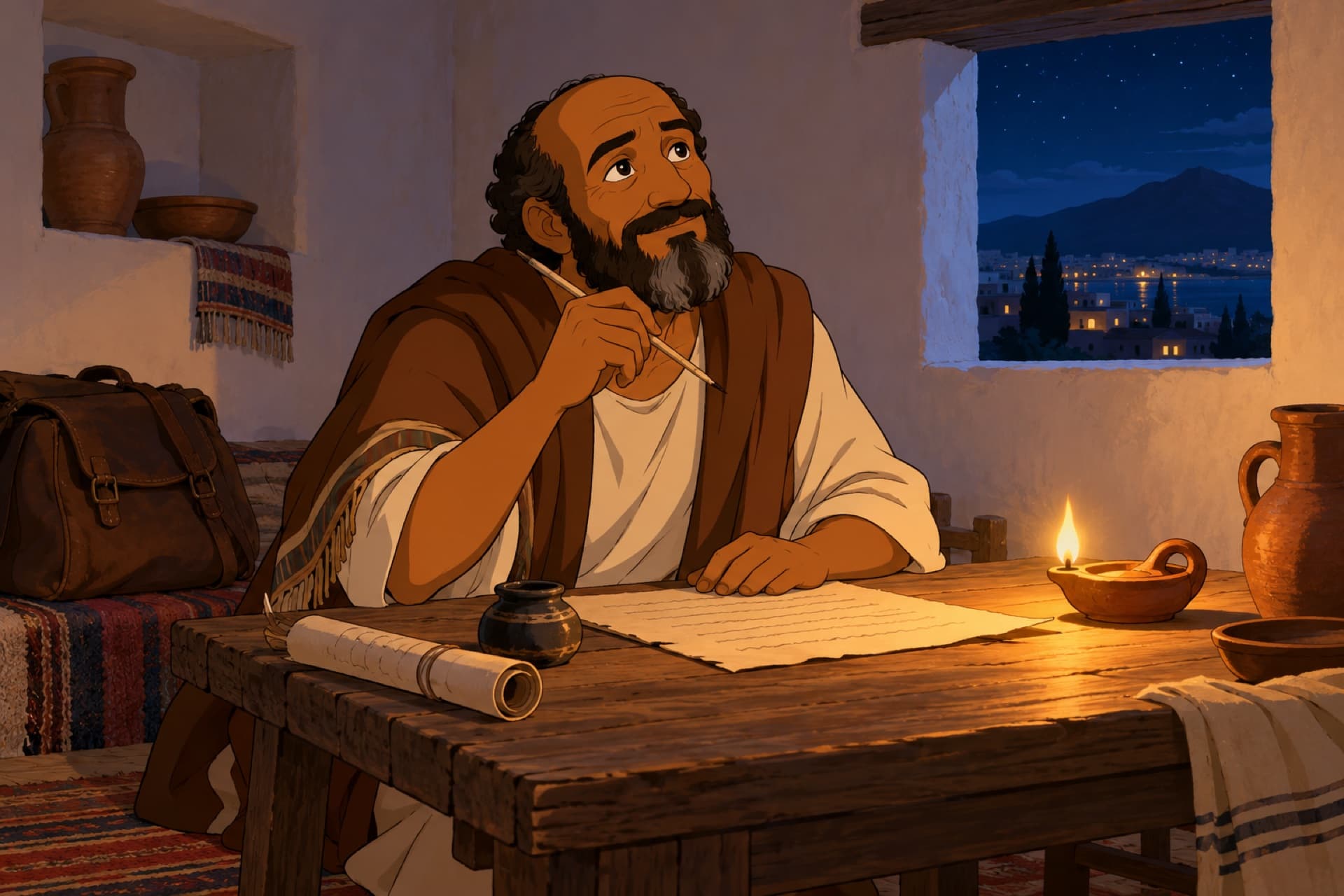
Start with the oldest report. Around AD 55, Paul wrote to the church in Corinth and reminded them what he had taught them first:
“…that Christ died for our sins according to the Scriptures, that he was buried, that he was raised on the third day according to the Scriptures, and that he appeared to Cephas, and then to the Twelve.”
1 Corinthians 15:3–5
Cephas is Peter. Paul says he “received” this list and passed it on, and he had taught it in Corinth around AD 50. He knew the people on it: “After three years, I went up to Jerusalem to get acquainted with Cephas and stayed with him fifteen days.” He met James there too.
Many scholars date the list itself to within a few years of the cross. That isn't a legend that grew over generations. It's what the first witnesses were saying while they were still alive to say it.
Then the list keeps going: “After that, he appeared to more than five hundred of the brothers and sisters at the same time, most of whom are still living.” In other words: go and ask them. Nobody tells you to check with witnesses who don't exist.
Sources:1 Corinthians 15:3–8First Epistle to the Corinthians (date)Galatians 1:18–19Acts 18:1–11Gary Habermas, “The Minimal Facts Approach to the Resurrection of Jesus”1 Corinthians 15 (the creed and its date)
A woman in tears
The Gospels tell what those meetings were like, and the first one starts with a woman in tears. That Sunday morning, Mary Magdalene stood outside the tomb crying. She saw a man standing there, and “thinking he was the gardener,” she begged him: “Sir, if you have carried him away, tell me where you have put him, and I will get him.”
Jesus said one word: “Mary.” She turned and cried out, “Rabboni!”, which means Teacher. In John's account, the first person to see him alive was a woman, the witness nobody in that world would have picked. And she ran to tell the disciples: “I have seen the Lord!”

Sources:John 20:11–18
Flesh and bones
That evening the disciples were together behind locked doors, afraid. “Jesus came and stood among them and said, ‘Peace be with you!’ After he said this, he showed them his hands and side.”
Luke says they thought they were seeing a ghost. So Jesus said, “Touch me and see; a ghost does not have flesh and bones, as you see I have.” Then he asked for something to eat, and they watched him eat a piece of broiled fish. Ghosts don't eat fish.
Thomas wasn't there, and he wasn't having it: “Unless I see the nail marks in his hands and put my finger where the nails were, and put my hand into his side, I will not believe.” A week later Jesus came back and spoke straight to him: “Put your finger here; see my hands. Reach out your hand and put it into my side. Stop doubting and believe.” And Thomas said, “My Lord and my God!”
And there were more: two friends on the road to Emmaus who walked with him for miles before they knew him. Luke sums it up: “He appeared to them over a period of forty days.”

Sources:John 20:19–20Luke 24:36–43John 20:24–28Luke 24:13–35Acts 1:3
Two men who didn't believe
Then there's James. He grew up in the same house as Jesus, and John says, “even his own brothers did not believe in him.” Once his family went to take charge of him, saying, “He is out of his mind.”
But Paul's list says, “Then he appeared to James.” James became a leader of the church in Jerusalem, and the Jewish historian Josephus records that around AD 62 the high priest had him stoned:
“…brought before them the brother of Jesus, who was called Christ, whose name was James, and some others; and when he had formed an accusation against them as breakers of the law, he delivered them to be stoned.”
Josephus, Antiquities 20.200, tr. Whiston
What would it take for you to believe your own brother was the Lord, and stake your life on it?
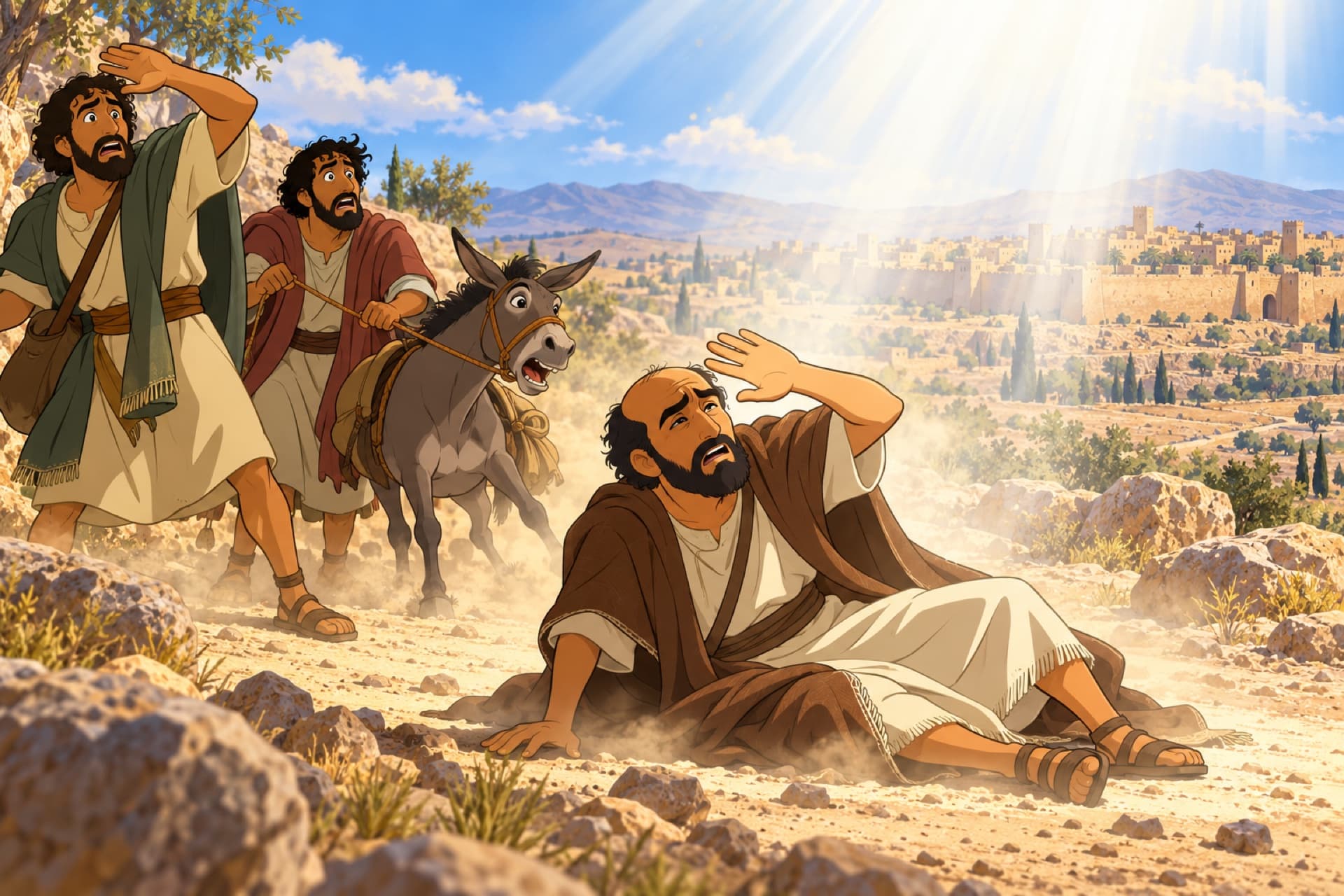
And then there's Paul himself. He wasn't a doubter. He was a hunter. In his own words, “I persecuted the church of God and tried to destroy it.” He was on his way to Damascus to arrest Christians when, he says, the risen Jesus met him: “last of all he appeared to me also.” The man who hunted Christians became one, and he was jailed, flogged, and stoned for it.
Sources:John 7:5Mark 3:20–211 Corinthians 15:7 · Galatians 1:19Josephus, Antiquities 20.200, tr. WhistonGalatians 1:13Acts 9:1–61 Corinthians 15:8–92 Corinthians 11:23–25
Did they just see things?
Some say they hallucinated: they wanted him back so badly that they saw him. But a hallucination happens inside one mind, like a dream. Jesus appeared to the Twelve together, and to five hundred at once. People touched him and watched him eat.
James and Paul weren't grieving followers longing to see him; one was a skeptic, and the other was an enemy. And a hallucination doesn't empty a tomb.
Even Gerd Lüdemann, an atheist scholar who argued the appearances were visions, wrote:
“It may be taken as historically certain that Peter and the disciples had experiences after Jesus' death in which Jesus appeared to them as the risen Christ.”
Gerd Lüdemann, What Really Happened to Jesus (1995)
The question isn't whether they saw something. It's what they saw.
Sources:1 Corinthians 15:5–8Luke 24:36–43Lüdemann, What Really Happened to Jesus (1995)Gary Habermas, “The Minimal Facts Approach to the Resurrection of Jesus”
From hiding to fearless
And look at Peter. The night Jesus was arrested, he swore, “I don't know this man you're talking about.” After Jesus rose, by a charcoal fire at the lake, Jesus asked him three times, “Do you love me?” Three times, Peter said yes.
Weeks later he was preaching in Jerusalem, and when the authorities had the apostles flogged, they walked out “rejoicing because they had been counted worthy of suffering disgrace for the Name.” Nobody does that for a story they made up.

Put it together
So put it together:
- A tomb that even the cover story admitted was empty.
- Appearances to Peter, to the Twelve, to five hundred at once, over forty days.
- A skeptic brother and a persecutor turned around.
- Frightened men made fearless, who suffered rather than take it back.
Every other explanation has to leave some of that out. The one that fits all of it is the one they gave: Jesus rose from the dead.

Sources:Matthew 28:11–151 Corinthians 15:3–8Acts 1:3Acts 5:40–42
Check yourself
When did Paul write down his list of people who saw Jesus alive?Show the answer
Around AD 55, and he had taught it in Corinth around AD 50. Many scholars date the list itself to within a few years of the cross.
Why did Paul say most of the five hundred were still living?Show the answer
So people could go and ask them. Nobody tells you to check with witnesses who don't exist.
How did Jesus show his friends he wasn't a ghost?Show the answer
He showed them his hands and side, told them to touch him, and ate a piece of broiled fish while they watched.
Which two men who didn't believe in Jesus say he appeared to them?Show the answer
James, his brother, who became a leader of the church in Jerusalem, and Paul, who had persecuted the church.
Why don't hallucinations explain the appearances?Show the answer
A hallucination happens inside one mind, but he appeared to groups, people touched him and watched him eat, a skeptic and an enemy saw him, and a hallucination doesn't empty a tomb.
He calls you by name
Thomas got to touch the scars. We don't get to. But Jesus had a word for us too: “Blessed are those who have not seen and yet have believed.”
John says he wrote it all down “that you may believe that Jesus is the Messiah, the Son of God, and that by believing you may have life in his name.”
He isn't a memory. He's alive, and he still calls people by name, the way he called Mary. So answer him. You could pray: Lord Jesus, you died for me, and you rose again. I turn from my sin. I trust you. You are my Lord and my God, and I will follow you.

Sources:John 20:29–31John 20:16John 20:281 Corinthians 15:3–4