Was Jesus's tomb really empty?
The women, the linen, and the cover story
A 7-minute video▶ Watch the one-minute ShortWatch the whole series on YouTube
The short answer
Yes. The women who found it were witnesses nobody would invent, Peter and John saw the grave clothes left behind, and even the story his enemies spread admitted the body was gone. The argument was never whether the tomb was empty, only who emptied it.
Sunday morning
On Friday, Jesus was laid in a rock tomb that everyone knew. If his body was still in that tomb on Sunday, Christianity is over. Paul said so himself: “If Christ has not been raised, your faith is futile.”
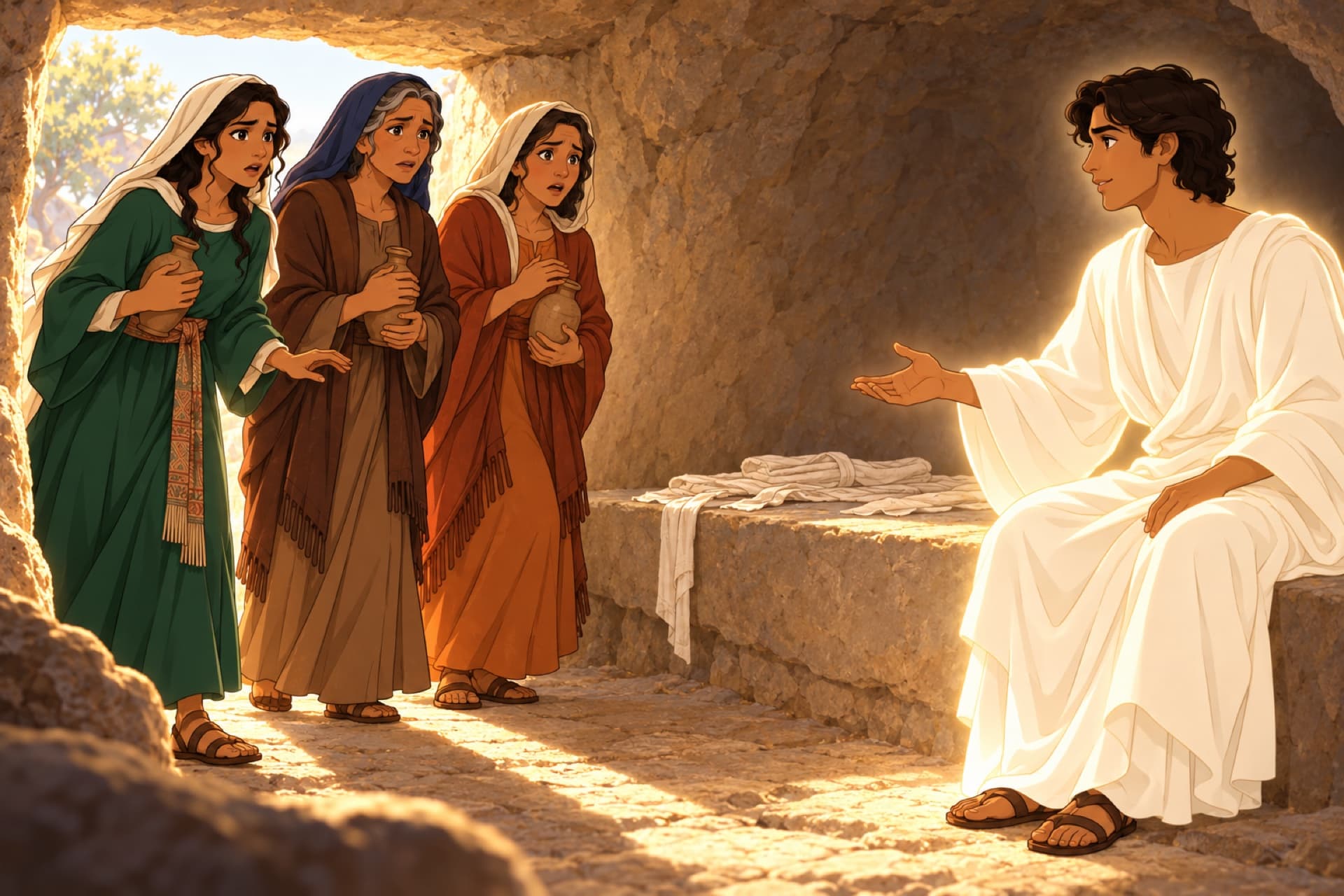
When the Sabbath was over, the women bought spices to anoint his body. They weren't expecting a resurrection. They were expecting a corpse. On the way, just after sunrise, they asked each other, “Who will roll the stone away from the entrance of the tomb?” But when they looked up, “they saw that the stone, which was very large, had been rolled away.”
Inside, they saw a young man dressed in white, and they were alarmed. He said:
“You are looking for Jesus the Nazarene, who was crucified. He has risen! He is not here. See the place where they laid him.”
Mark 16:6
And Mark doesn't make them heroes. “Trembling and bewildered, the women went out and fled from the tomb.” That's not how you end a story you made up. It's how you tell one that happened.
Witnesses nobody would invent
Notice who finds the tomb empty. All four Gospels say it was women. In that world, a woman's word counted for little. The Jewish historian Josephus records the rule:
“…let not the testimony of women be admitted, on account of the levity and boldness of their sex…”
Josephus, Antiquities 4.219, tr. Whiston
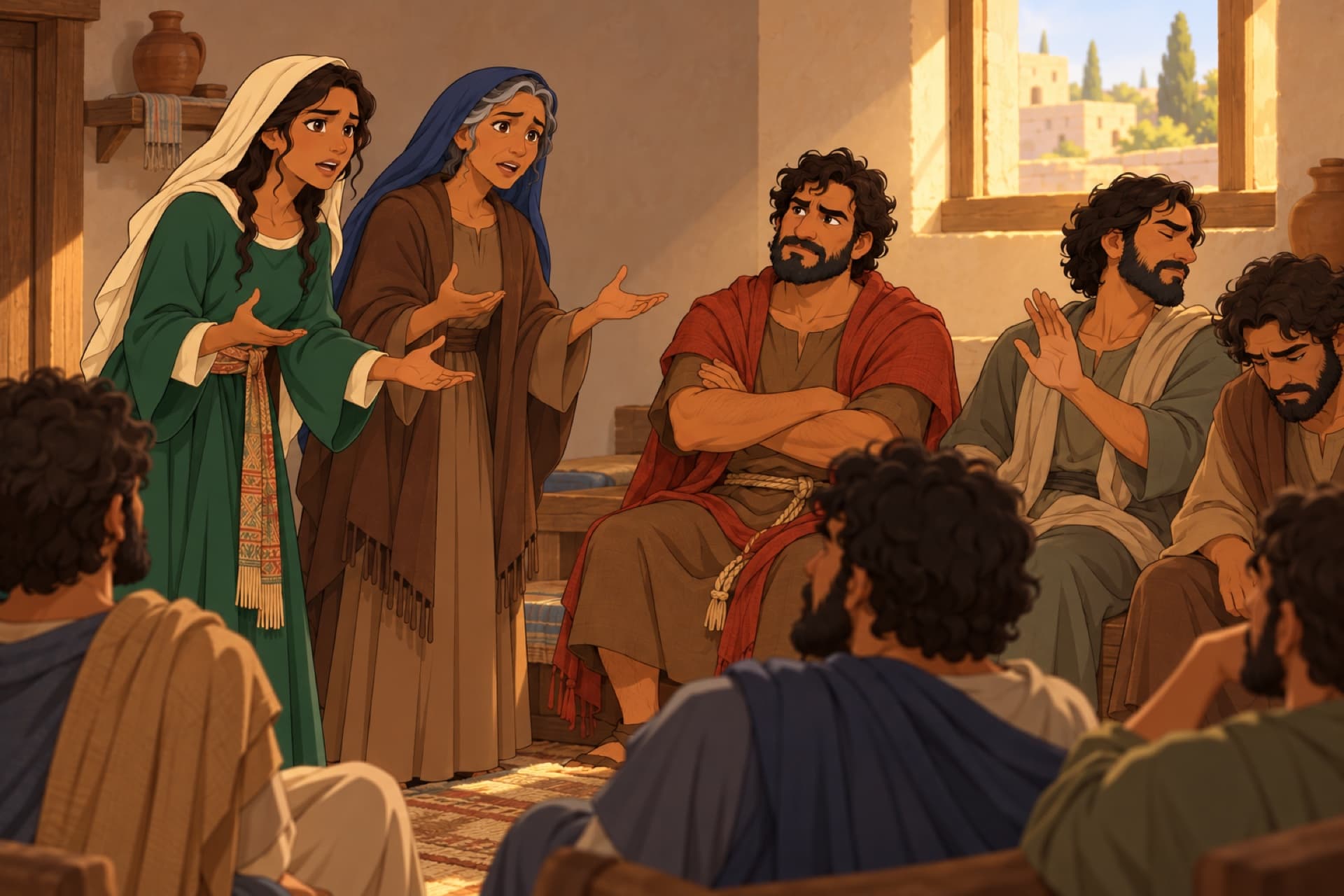
Even the apostles brushed them off. Luke says “they did not believe the women, because their words seemed to them like nonsense.” If you were making this up, you'd never choose these witnesses. You'd name them only because that's what happened.
And the Gospels don't name the same women. Mark names three, Luke adds Joanna, and John follows Mary Magdalene. That's how real witnesses sound: different people telling one event. All four agree: women went first, and the tomb was empty.
Sources:Matthew 28:1 · Mark 16:1 · Luke 24:10 · John 20:1Josephus, Antiquities 4.219, tr. WhistonLuke 24:9–11
Two men running
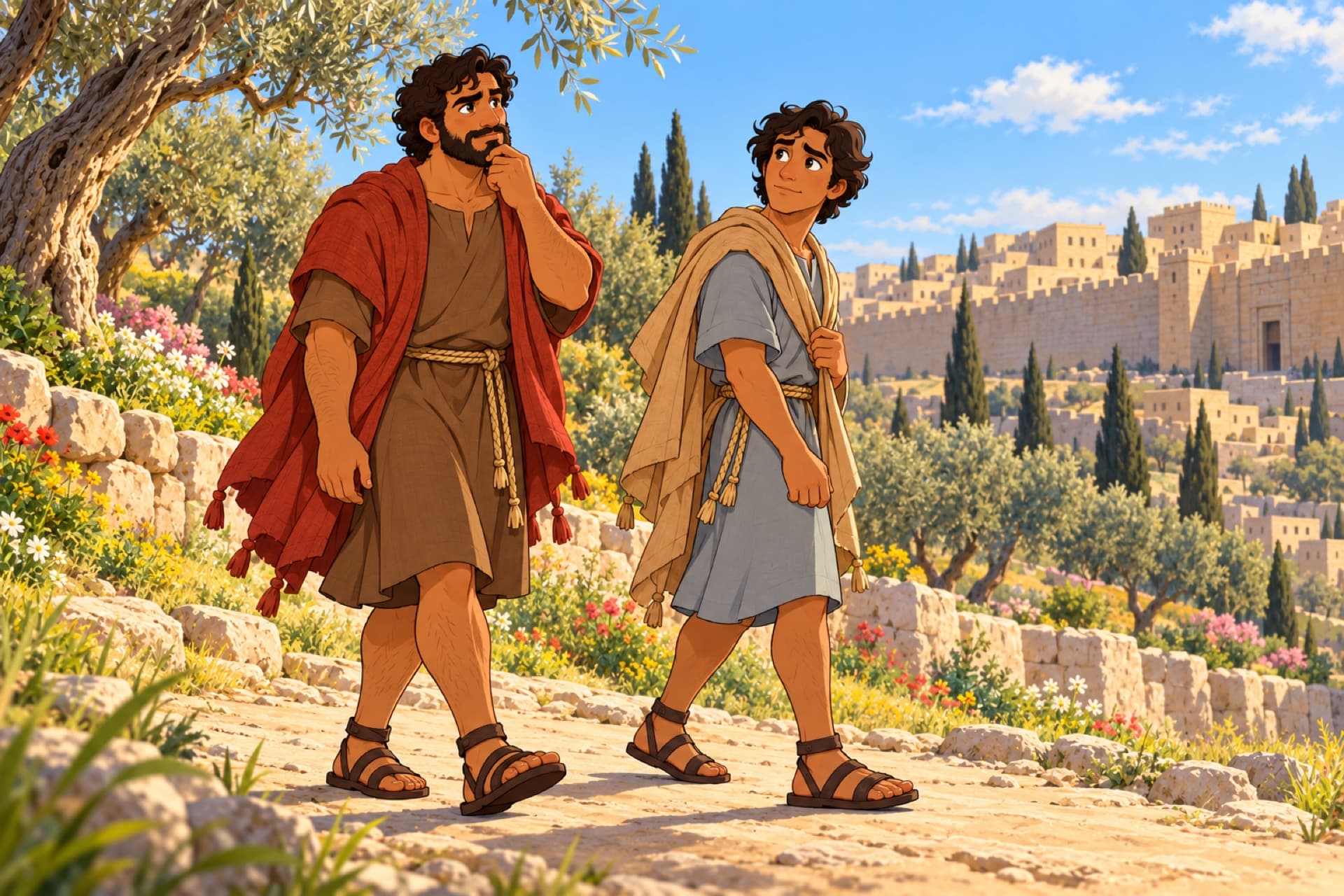
Mary Magdalene ran to Peter and “the one Jesus loved,” the disciple Christians have long known as John, and said, “They have taken the Lord out of the tomb, and we don't know where they have put him!” Her first thought was grave robbers, not resurrection.
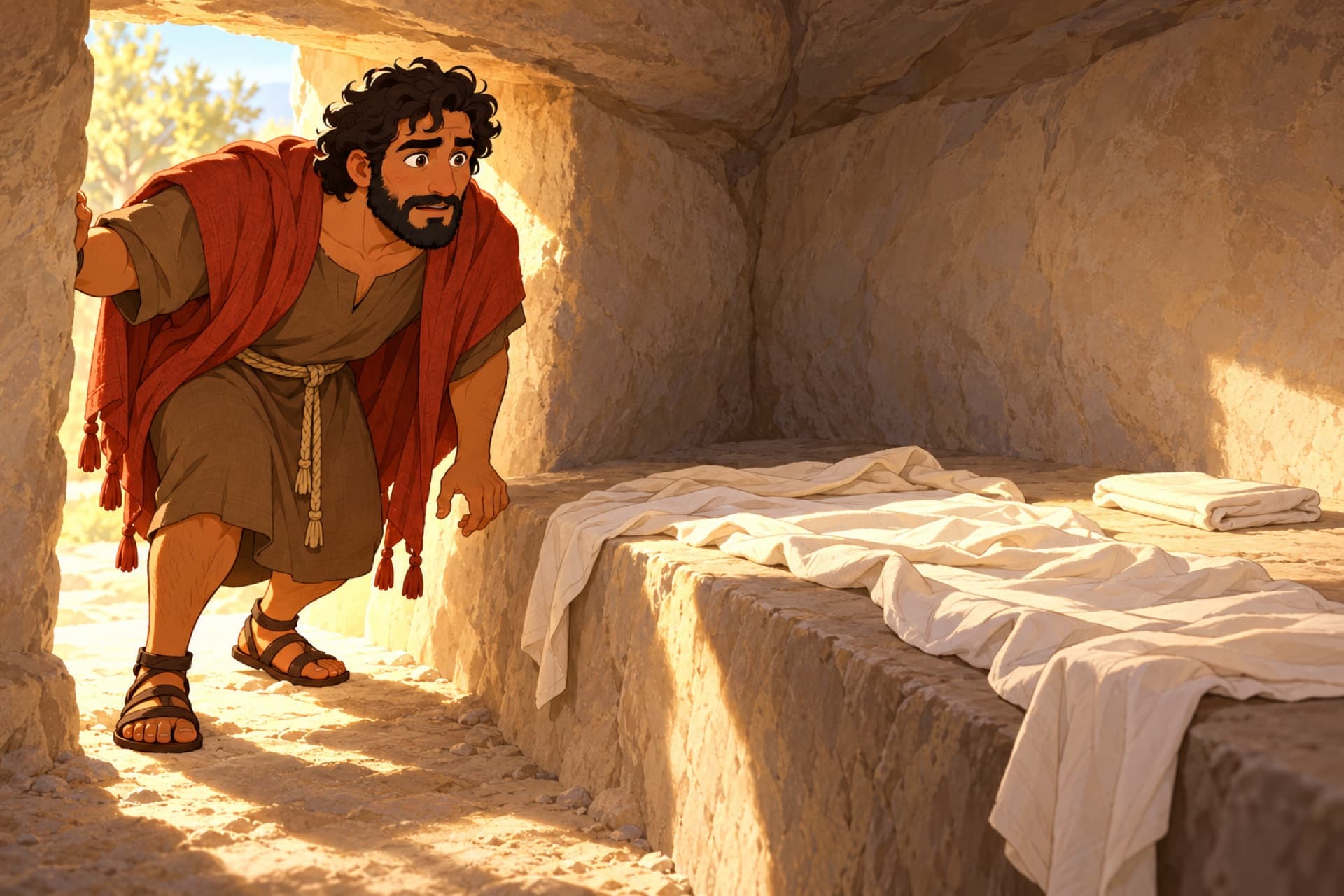
So the two of them ran. John outran Peter, bent over, and looked in at the strips of linen lying there. Peter went straight in. “He saw the strips of linen lying there, as well as the cloth that had been wrapped around Jesus' head. The cloth was still lying in its place, separate from the linen.”
A thief in a hurry doesn't stop to unwrap a body. Then John went in. “He saw and believed.”
Sources:John 20:1–8
Even the cover story
Here's something strange. His enemies remembered what his friends forgot. The day after the crucifixion, the chief priests went to Pilate: “that deceiver said, ‘After three days I will rise again.’” They asked for a guard, or “his disciples may come and steal the body.” Pilate told them, “Make the tomb as secure as you know how.” So they sealed the stone and posted the guard.
Then, after Sunday morning, the chief priests paid the soldiers “a large sum of money” to tell a story: “His disciples came during the night and stole him away while we were asleep.” Matthew says it was still going around when he wrote. Look at what that story admits. Nobody said, “The body is still there.” They had to explain why it wasn't.
More than a century later, it was still the story. Around AD 160, Justin Martyr, a Christian writer debating a Jewish teacher, said men were still being sent out to say that “his disciples stole him by night from the tomb.” The argument was never whether the tomb was empty. Only who emptied it.
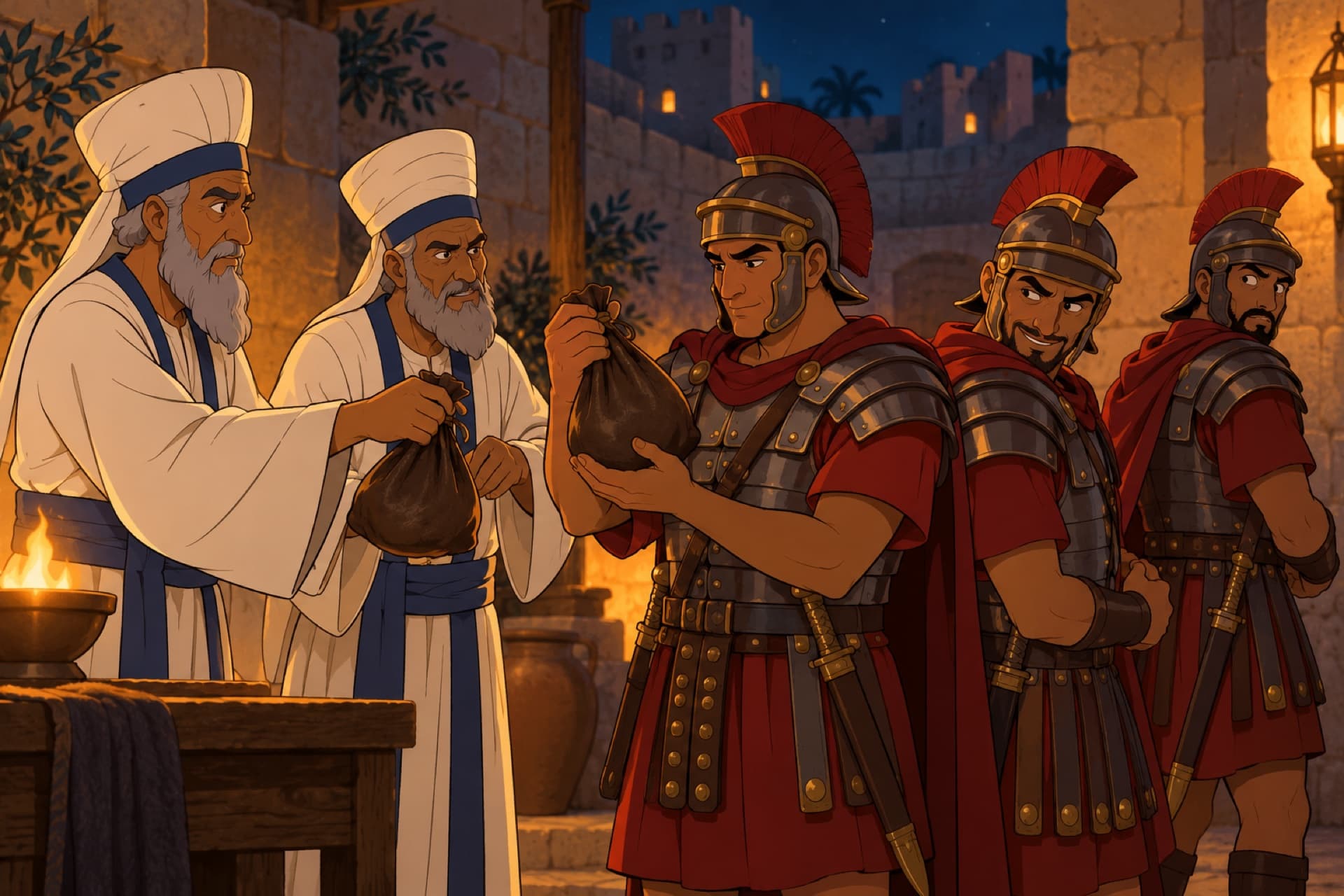
Sources:Matthew 27:62–66Matthew 28:11–15Justin Martyr, Dialogue with Trypho 108 (Ante-Nicene Fathers)
A short walk from the tomb
And the apostles didn't preach far away, where no one could check. Fifty days later, Peter stood up in Jerusalem, a short walk from the tomb. He said King David “died and was buried, and his tomb is here to this day.” But of Jesus: “God has raised this Jesus to life, and we are all witnesses of it.” If the body had been there, anyone could have produced it and ended the whole thing in an afternoon.
That's why historians take the empty tomb seriously, not just believers. Michael Grant, a historian of ancient Rome, judged it the way he judged any ancient record, and wrote:
“…the evidence is firm and plausible enough to necessitate the conclusion that the tomb was indeed found empty.”
Michael Grant, Jesus: An Historian's Review of the Gospels (1977), p. 176
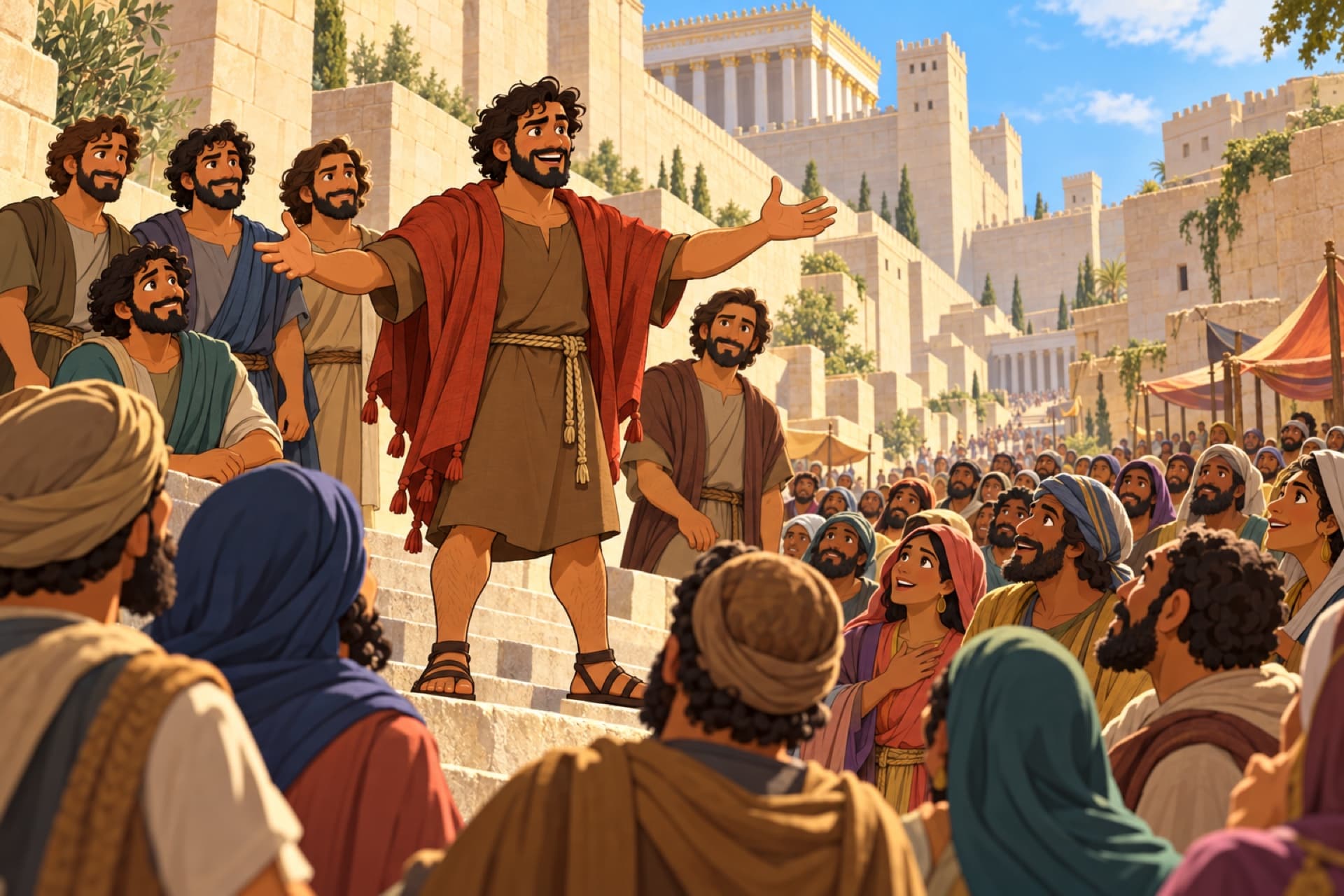
Sources:Acts 2:14–32Grant, Jesus: An Historian's Review of the Gospels (1977), p. 176, as quoted by VridarEmpty tomb
Who emptied it?
Not the authorities: they sealed it, guarded it, and would gladly have shown the body. Not the disciples: that night they were behind locked doors, afraid, and soon they were flogged, and some killed, for saying he rose. Nobody suffers like that for a body they hid themselves. And not a wrong tomb: the women had watched where he was laid, and the guards knew exactly which stone they'd sealed.
The answer is the one the women heard first. Luke says two men in clothes that gleamed like lightning asked them, “Why do you look for the living among the dead? He is not here; he has risen!” Then they reminded them what Jesus had said: “The Son of Man must be delivered over to the hands of sinners, be crucified and on the third day be raised again.” He did exactly what he said he would.
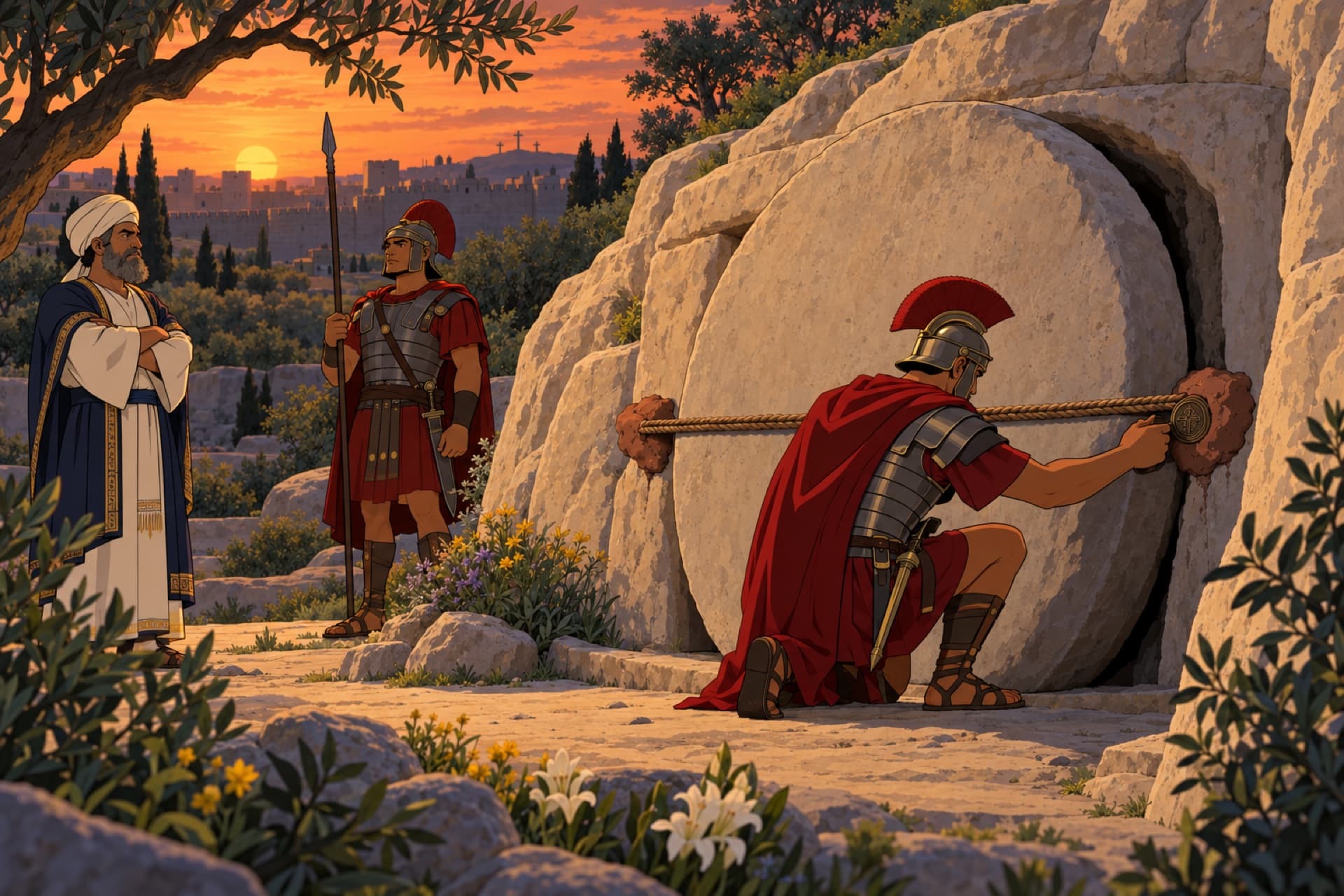
Sources:Matthew 27:62–66John 20:19Acts 5:40–42Acts 12:2Mark 15:47Luke 24:4–8
Check yourself
What were the women expecting to find on Sunday morning?Show the answer
A body. They brought spices to anoint it, and on the way they wondered who would roll the stone away.
Why would nobody making up the story pick women as the first witnesses?Show the answer
In that world a woman's word counted for little. Josephus records a rule against admitting women's testimony, and even the apostles thought their words were nonsense.
What did Peter see in the tomb that a thief wouldn't have left?Show the answer
The strips of linen lying there, and the cloth from Jesus's head lying in its place, separate from the linen. A thief in a hurry doesn't stop to unwrap a body.
What does the guards' story admit?Show the answer
That the tomb was empty. Nobody said the body was still there; they had to explain why it wasn't.
Why does it matter that Peter preached in Jerusalem?Show the answer
The tomb was a short walk away. If the body had been there, anyone could have produced it and ended the whole thing in an afternoon.
Don't look for him among the dead
The women came with spices for a corpse. They heard, “Why do you look for the living among the dead?”
If the tomb is empty, then Jesus is who he said he was. He died for your sins, and he walked out of his grave, and death doesn't get the last word anymore.
So don't look for him among the dead. Read John chapter 20 this week, and talk to him. You could pray: Lord Jesus, you died for me, and you are alive. I turn from my sin. I trust you, and I will follow you.