Did Jesus really die on the cross?
The cross and the swoon theory
The short answer
Yes. Roman soldiers who executed people for a living made sure of it, and the officer in charge confirmed it to Pilate. Sources friendly and hostile say he died on the cross, and a half-dead man could never have convinced anyone he had conquered death.
Go back to that Friday and ask the men who would know: the soldiers who checked, a Roman senator who despised Christians, and a German skeptic who pictured what a half-dead Jesus would have looked like.
Read · 4 min ↓The bigger question Jesus paid a ransom. Who got paid? →
▶ Watch the Short All the videos on YouTube★ Kids' lesson
Everything hangs on Friday
Everything Christians believe hangs on it. If he never died, he never rose. Some say he only fainted, and woke up in the cool of the tomb. So go back to that Friday and look.
Pilate “had Jesus flogged, and handed him over to be crucified” (Mark 15:15). Mark says, “It was nine in the morning when they crucified him” (Mark 15:25). At three in the afternoon Jesus cried out in a loud voice, “My God, my God, why have you forsaken me?” (Mark 15:34). Then, “with a loud cry, Jesus breathed his last” (Mark 15:37).
Sources:Crucifixion of JesusSwoon hypothesisMark 15:15–25Mark 15:33–37
Executed by experts
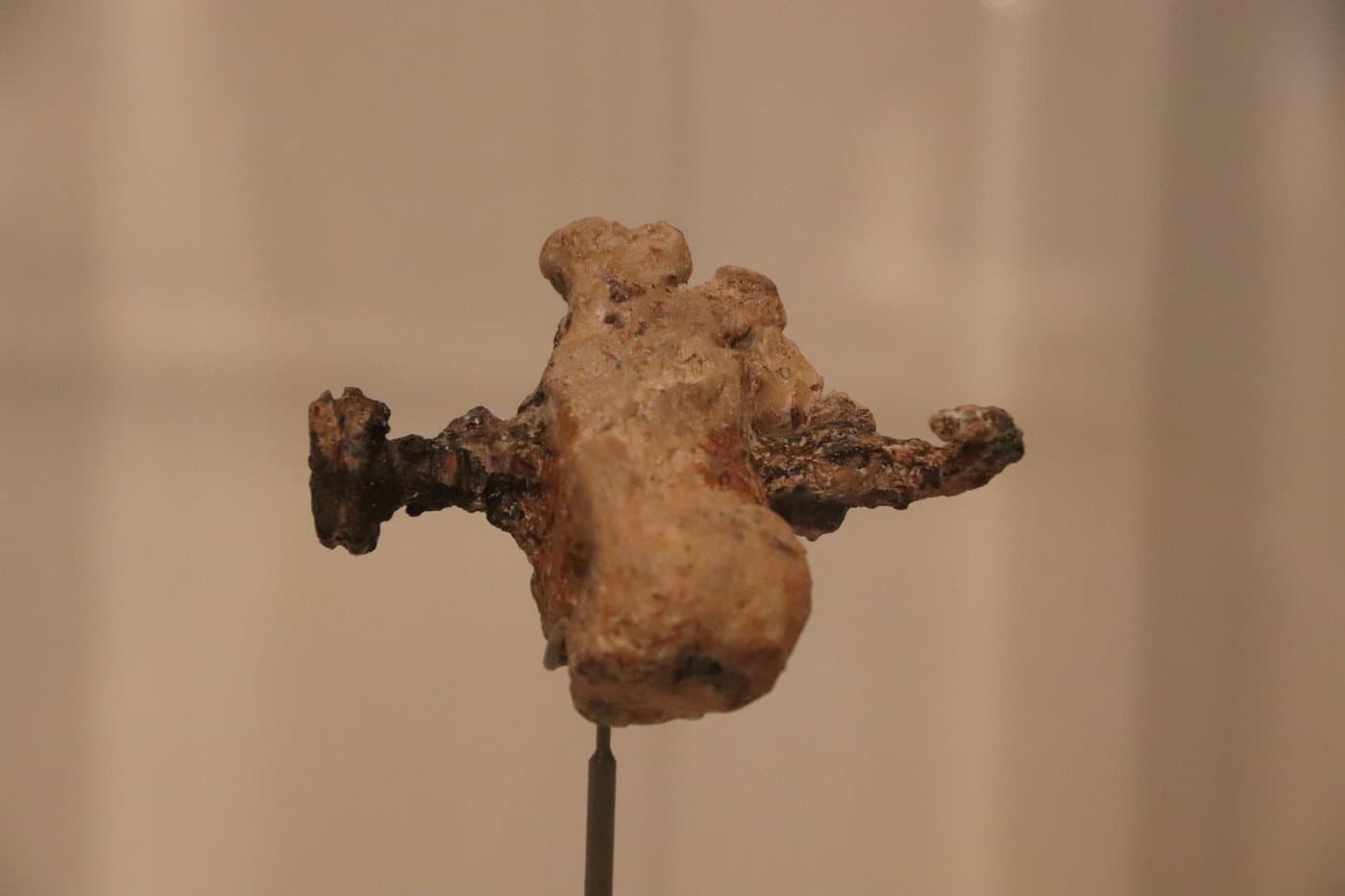
The men who did this did it for a living. Before the Sabbath, soldiers came to break the legs of the men on the crosses, so they would die before sunset. “But when they came to Jesus and found that he was already dead, they did not break his legs” (John 19:33). Instead, a soldier pierced his side with a spear, “bringing a sudden flow of blood and water” (John 19:34). And John adds, “The man who saw it has given testimony” (John 19:35).
Then Joseph of Arimathea asked Pilate for the body. “Pilate was surprised to hear that he was already dead” (Mark 15:44). So he checked. He summoned the centurion, the officer who ran the execution, and only when the centurion told him it was so did he give Joseph the body.
Sources:John 19:31–35Mark 15:42–45
Even his enemies say so

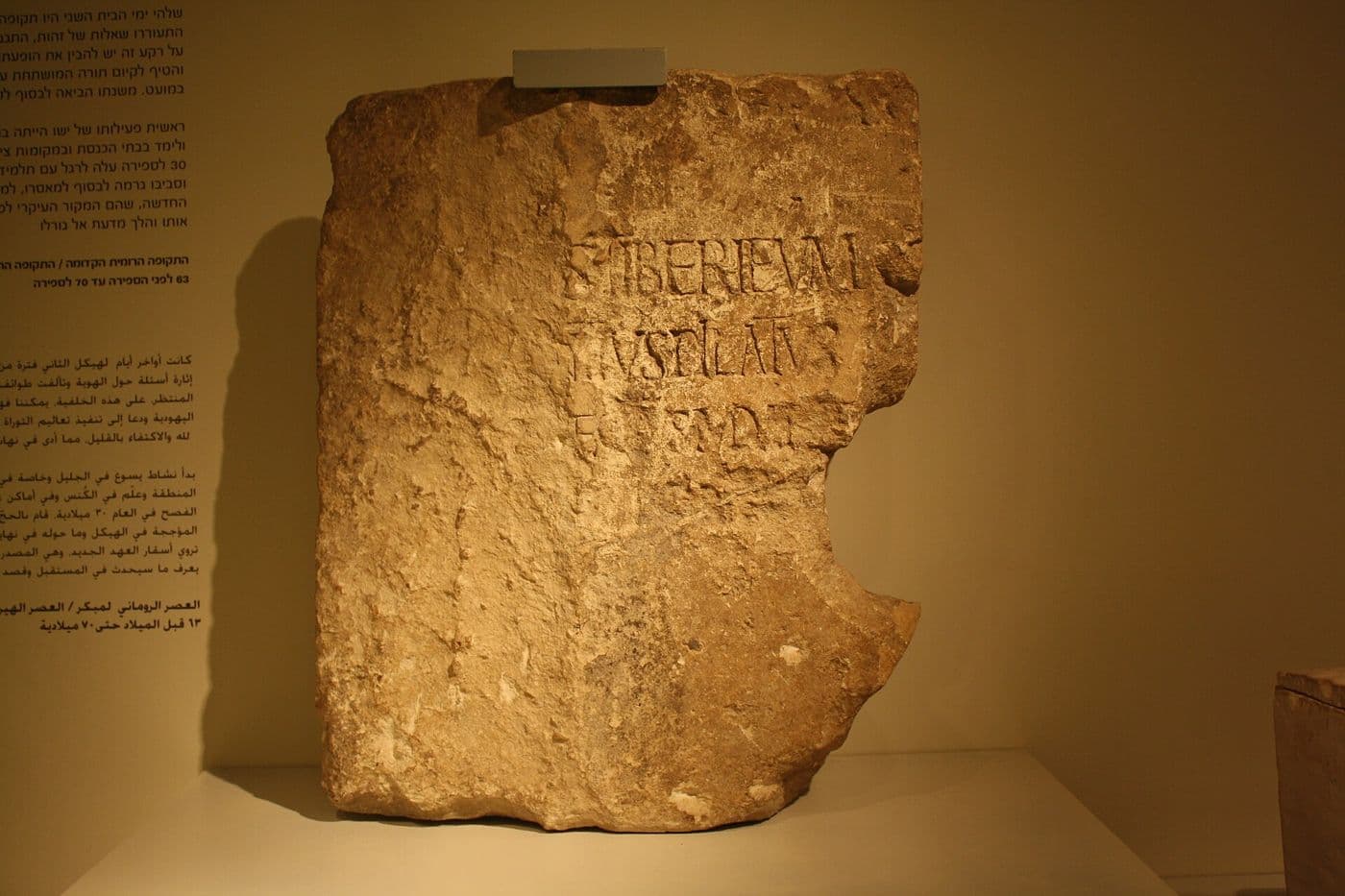
Outside the Bible, people who had no reason to agree say the same. Tacitus, the Roman senator who despised Christians, wrote that “Christus… suffered the extreme penalty during the reign of Tiberius at the hands of one of our procurators, Pontius Pilatus.” And Josephus, the Jewish historian, wrote that Pilate, “at the suggestion of the principal men amongst us, had condemned him to the cross.”
That's why even skeptical scholars treat it as settled. John Dominic Crossan, who doubts much of what the Gospels say, put it plainly:
“That he was crucified is as sure as anything historical can ever be.”
John Dominic Crossan, Jesus: A Revolutionary Biography (1994), p. 145
Sources:Tacitus, Annals 15.44, tr. Church and Brodribb (1876)Josephus, Antiquities 18.63, tr. WhistonJosephus on JesusCrossan, Jesus: A Revolutionary Biography (1994), p. 145, as quoted in Crucifixion of JesusHistoricity of Jesus
Six hundred years later
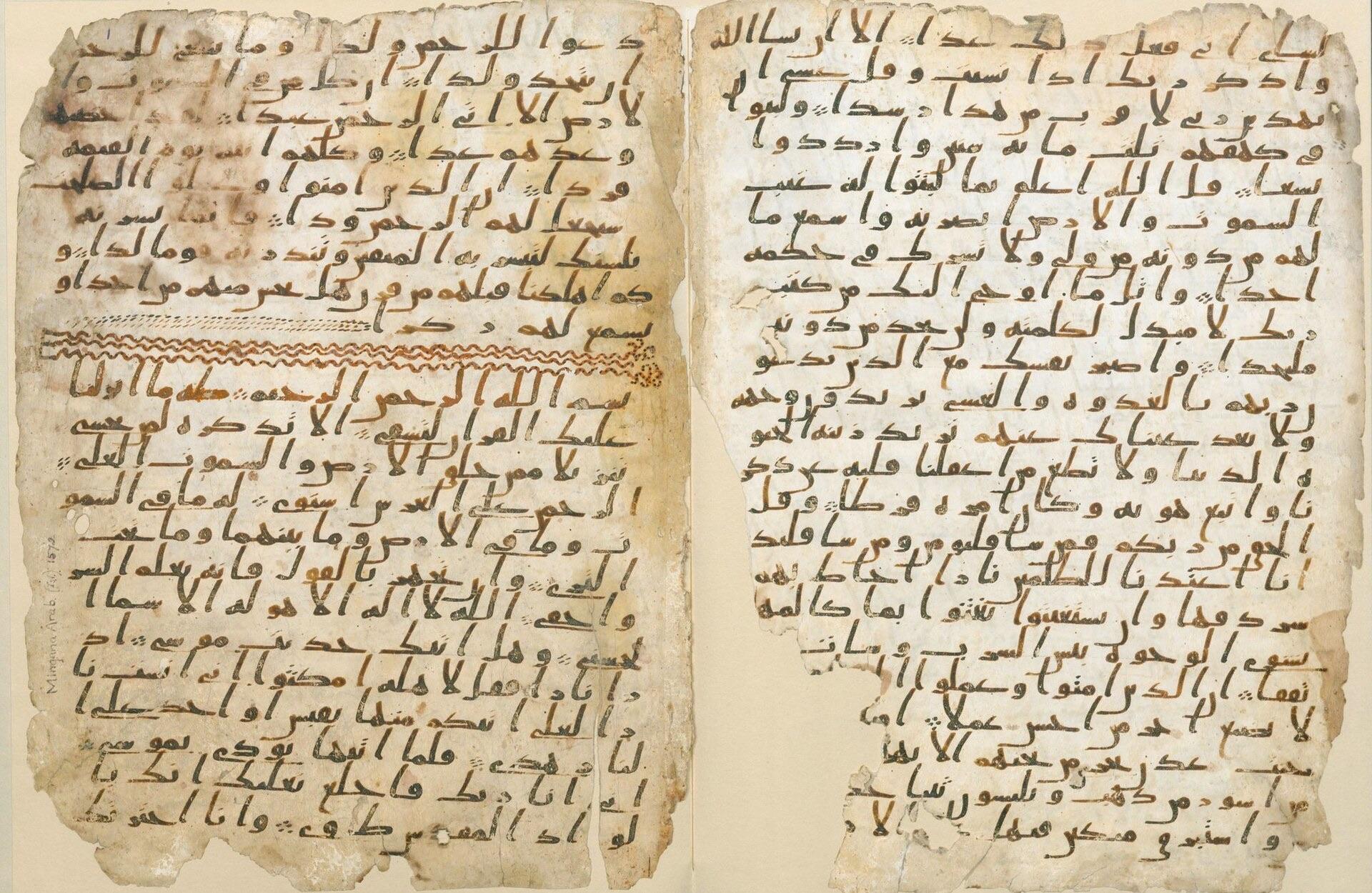
Many Muslims honor Jesus as a prophet and the Messiah. But the Qur'an says of him, “They slew him not nor crucified, but it appeared so unto them.” Here is who says he died, and when:
- AD 30s–50s Paul: “Christ died for our sins” (1 Corinthians 15:3)
- AD 60s–90s The Gospels: crucified under Pilate (Mark 15)
- AD 93–116 Josephus and Tacitus: under Pilate
- AD 610–632 The Qur'an: “They slew him not” (4:157)
The evidence says otherwise. Every source from the first century, his followers and his enemies alike, says he died on the cross. A claim made six hundred years later can't outweigh the people who were there. And if he didn't die, there is no sacrifice for sin, and no resurrection.
Sources:Qur'an 4:157, tr. Pickthall, The Meaning of the Glorious Koran (1930)Islamic view of the crucifixion of JesusHistory of the Quran (c. 610–632)Birmingham Quran manuscript1 Corinthians 15:3Tacitus, Annals 15.44, tr. Church and Brodribb (1876)Josephus, Antiquities 18.63, tr. Whiston
“He only fainted”
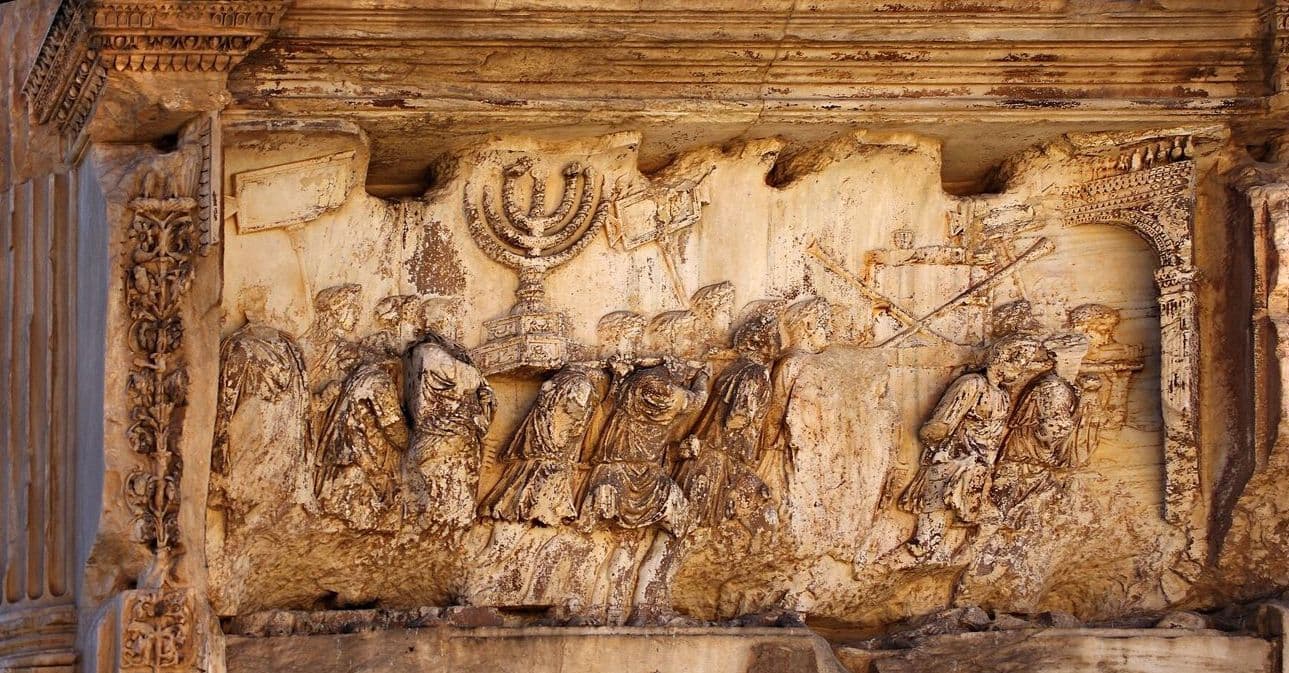
Still, some say he survived. People did come down from crosses alive. Josephus tells of one time. He found three friends of his on crosses, and begged the Roman general Titus to spare them. Titus had them taken down at once, and gave orders:
“…to have the greatest care taken of them, in order to their recovery; yet two of them died under the physician's hands, while the third recovered.”
Josephus, Life 75, tr. Whiston
Those men were taken down early and nursed by doctors, and still two of the three died. Jesus was taken down only after the soldiers and the centurion said he was dead, and after a spear in his side. Then he was wrapped in linen and laid in a cold tomb, with no one tending him.
Sources:Josephus, Life 75, tr. WhistonJohn 19:33–34Mark 15:44–46
A skeptic saw the problem

And suppose he had lived through it. David Strauss, a German scholar who didn't believe in the resurrection, wrote that a man who “crept about weak and ill, wanting medical treatment,” could never have given the disciples “the impression that he was a Conqueror over death and the grave.”
A half-dead man might win their pity. He could never have turned frightened men into people ready to die saying, “He is risen.” Whatever happened on Sunday, Friday was a real death.
Sources:Strauss, A New Life of Jesus, vol. 1 (1879)Swoon hypothesis
Buried where everyone knew
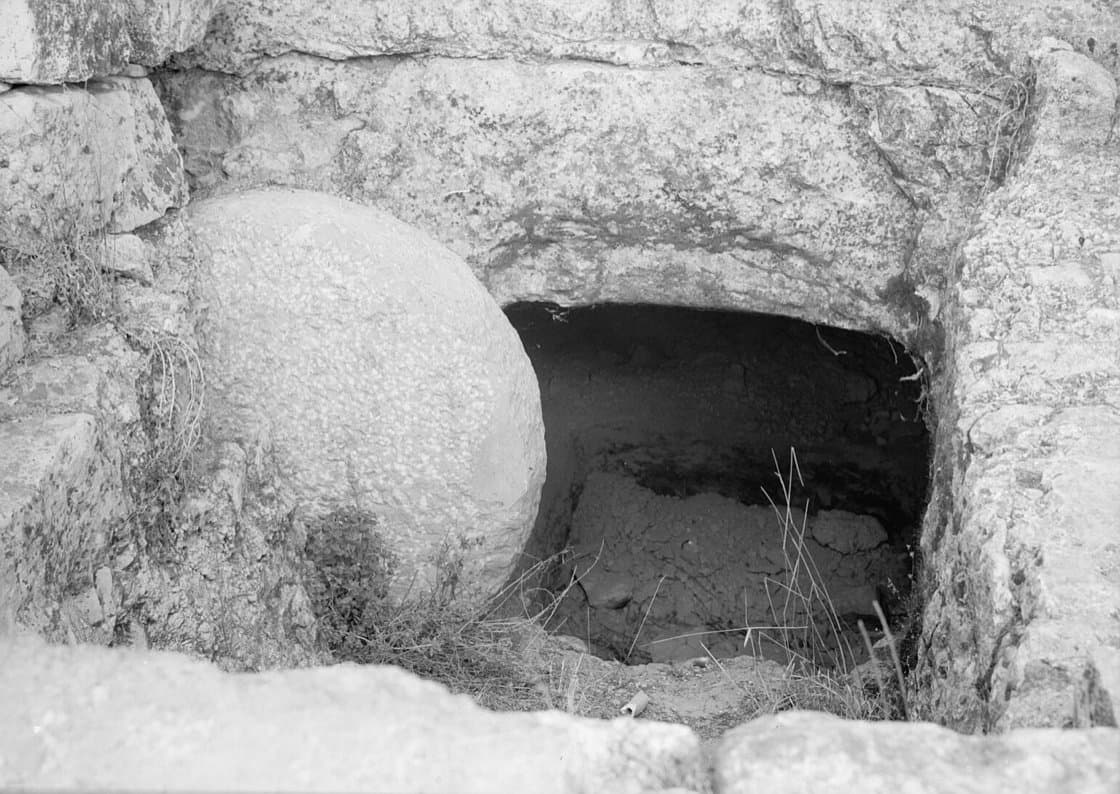
Joseph of Arimathea was “a prominent member of the Council” (Mark 15:43), the same council that had condemned Jesus. That's not a detail you'd invent. You'd be naming a real man anyone could go and ask. He “wrapped it in the linen, and placed it in a tomb cut out of rock. Then he rolled a stone against the entrance of the tomb” (Mark 15:46).
And two women watched. “Mary Magdalene and Mary the mother of Joseph saw where he was laid” (Mark 15:47). So on Sunday morning, everyone knew which tomb to check.
Sources:Mark 15:43–46Mark 15:47
Why he died

Why does it matter so much? Because the first Christians didn't hide the cross. They put it first. One of their earliest summaries of the faith begins, “Christ died for our sins according to the Scriptures, that he was buried, that he was raised on the third day” (1 Corinthians 15:3–4). Seven hundred years earlier, Isaiah wrote of a servant who “was pierced for our transgressions… and by his wounds we are healed” (Isaiah 53:5).
If he really died, then he went all the way down into death. Not a fainting spell, not a trick. And the Bible says he did it for you.
So read Mark chapter 15 this week, slowly. And when you reach the cross, talk to him. You could pray: Jesus, you died for me. Thank you for the cross. I turn from my sin. I trust you, and I want to follow you.
Or go straight to the bigger question Jesus paid a ransom. Who got paid? →