
Could evolution build the cell's machines?
Darwin's test and a motor in a germ
★ Kids' lesson▶ Watch the ShortA 9-minute video All the videos on YouTube
The short answer
Living things do change, and nobody doubts it. But some of the cell's machines, like the motor that spins a bacterium's tail, need many parts working together before they do anything at all, and nobody has shown how mutation and selection alone could build one a step at a time. So the simplest explanation is the one we give for every other motor: someone designed it.
Darwin's own test
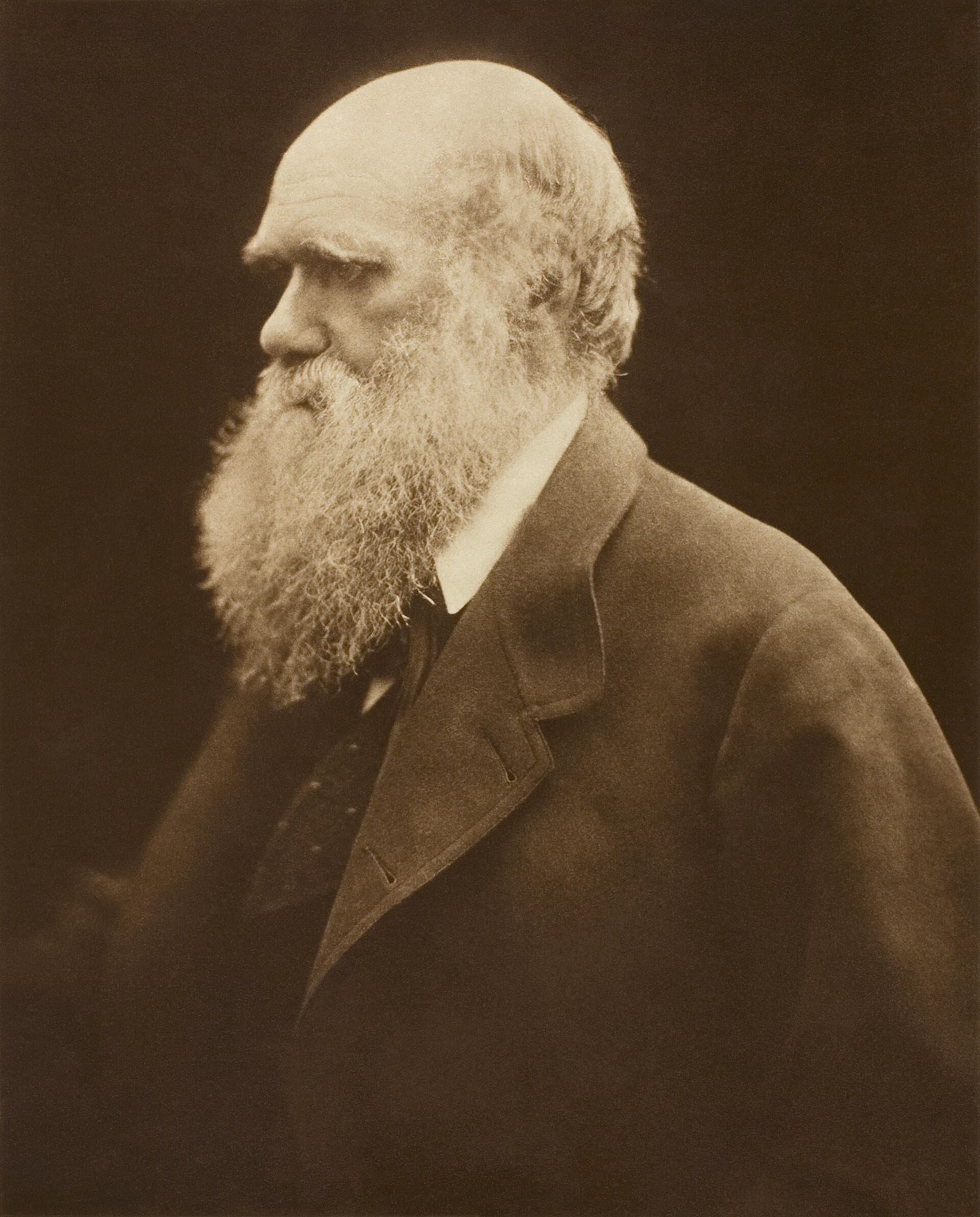
Inside a bacterium, far too small to see, there's a motor, about 45 nanometers across. It spins a long tail like a propeller, hundreds of times a second, and it can run in reverse. It's built from about twenty different kinds of parts. Could blind evolution have built it, one small step at a time? Charles Darwin himself told us how to test that. In The Origin of Species he wrote:
“If it could be demonstrated that any complex organ existed, which could not possibly have been formed by numerous, successive, slight modifications, my theory would absolutely break down.”
Charles Darwin, On the Origin of Species, 6th ed. (1872), p. 146
Then he added, “But I can find out no such case.” In his day, nobody could see the machines inside a cell.
Sources:Berg, “The Rotary Motor of Bacterial Flagella,” Annual Review of Biochemistry 72 (2003)FlagellumDarwin, On the Origin of Species, 6th ed. (1872), ch. 6, p. 146
Every part or nothing
In 1996, the biochemist Michael Behe of Lehigh University looked inside the cell, the box Darwin couldn't open. He said some of the cell's machines are “irreducibly complex”:
“…a single system composed of several well-matched, interacting parts that contribute to the basic function, wherein the removal of any one of the parts causes the system to effectively cease functioning.”
Michael Behe, Darwin's Black Box (1996), p. 39
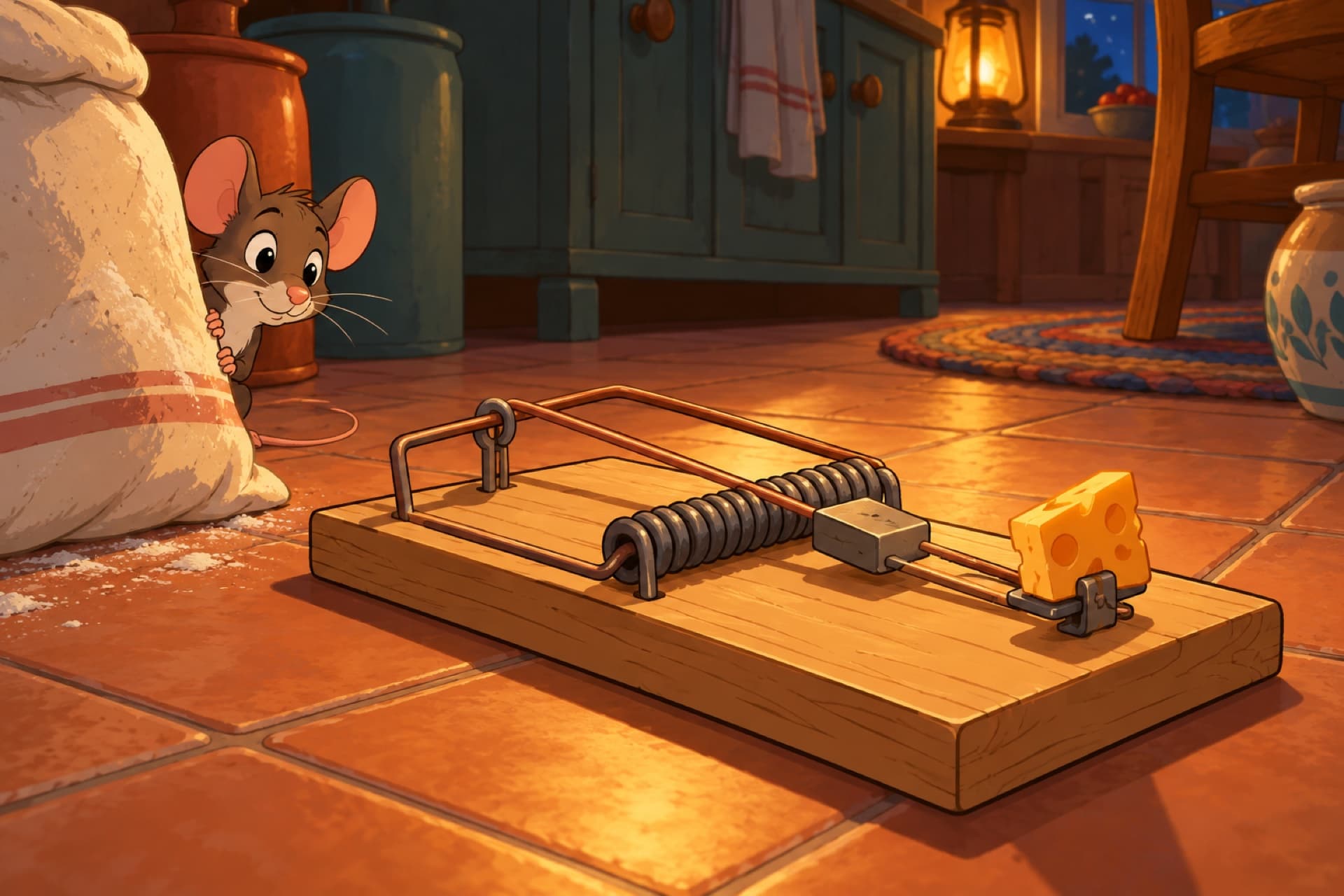
Think of a mousetrap: a wooden base, a spring, a hammer, a catch, and a bar that holds the hammer back. Take away the hammer, and it doesn't catch fewer mice. It catches none. As Behe put it, without the hammer “the mouse could dance all night on the platform without becoming pinned to the wooden base.”
So be clear about what's being asked. Living things do change. Germs adapt to the drugs we use against them. That's small change within a kind, often called microevolution, and nobody doubts it. The question is much bigger: could mutation and natural selection alone, with no one guiding them, build brand-new machines like the bacterium's motor? That's macroevolution, and that's what Behe doubts.
Sources:Michael Behe, Darwin's Black Box (1996)MicroevolutionMacroevolutionIrreducible complexity
The motor
Now look closely at the motor. The bacterial flagellum is a real rotary motor, driven by a flow of charged particles through the cell wall. Beyond its twenty or so kinds of parts, it takes more than fifty proteins to assemble it and make it work. Behe argues that if you take away one of its core parts, the bacterium doesn't swim slower. It doesn't swim at all.
Here's a scientist who is no friend of intelligent design. James Shapiro, a bacterial geneticist at the University of Chicago, reviewed Behe's book in 1996 and wrote:
“In fact, there are no detailed Darwinian accounts for the evolution of any fundamental biochemical or cellular system, only a variety of wishful speculations.”
James Shapiro, National Review (1996), p. 64
Shapiro rejected Behe's conclusion. He thinks cells rework their own DNA, and he proposes what he calls “natural genetic engineering.” But he agreed the standard account hadn't been given.

Sources:Berg, “The Rotary Motor of Bacterial Flagella,” Annual Review of Biochemistry 72 (2003)Bhattacharyya et al., PNAS (2024): “Assembly and function of bacterial flagella requires over 50 proteins”Michael Behe, Darwin's Black Box (1996)James Shapiro, “In the Details . . . What?” National Review, Sept. 16, 1996, pp. 62–65Shapiro on natural genetic engineering (2013)
The best reply
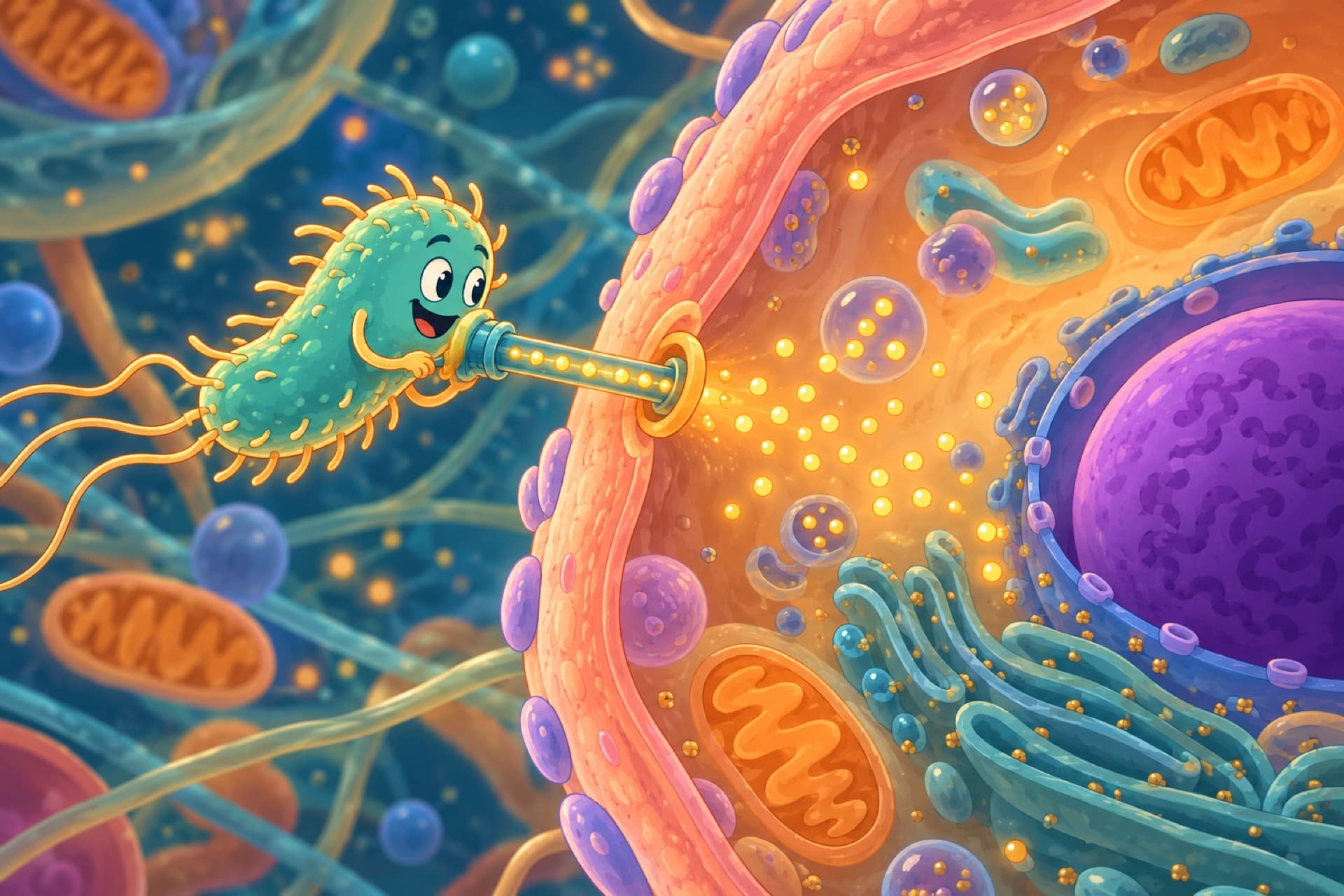
Behe's critics do have a serious answer, and it deserves a fair hearing. The biologist Kenneth Miller pointed out that some of the motor's base proteins resemble the parts of a different machine: a tiny syringe some bacteria use to inject proteins into other cells. That syringe works without most of the motor's parts. So, Miller argued, part of the motor already has a job of its own, and the whole isn't irreducible. In 2006, Mark Pallen and Nicholas Matzke went further and sketched how the whole motor might have been pieced together from older parts.
Behe answered that finding some parts in another machine doesn't show how either was built. None of the papers, he wrote,
“…seriously addresses how either structure could be assembled by random mutation and natural selection, or even how one structure could be derived from the other by Darwinian processes.”
Michael Behe, The Edge of Evolution (2007), pp. 267–268
And a syringe isn't a motor. A list of parts that look alike isn't a path anyone has tested, one mutation at a time, with every step useful on its own.
Sources:Kenneth Miller, “The Flagellum Unspun,” in Debating Design (Cambridge, 2004), p. 87Pallen and Matzke, “From The Origin of Species to the origin of bacterial flagella,” Nature Reviews Microbiology (2006)Type III secretion systemMichael Behe, The Edge of Evolution (2007)
The edge of evolution
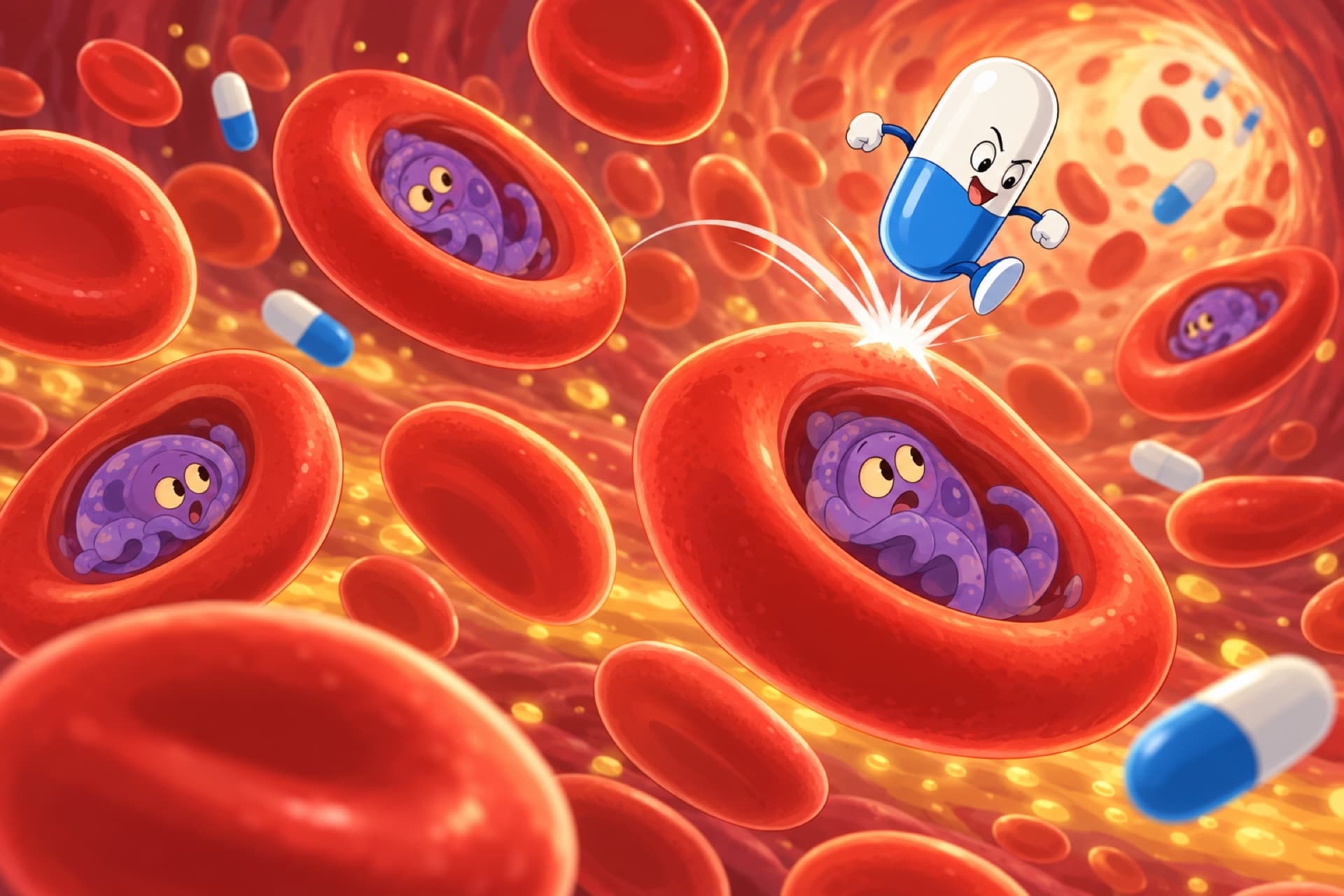
So how much can mutation and selection really do? Behe looked where there are huge numbers to count: malaria. Malaria parasites multiply by the trillions, and they did evolve resistance to the drug chloroquine. But it took at least two specific mutations working together. Here are the numbers:
- One mutation: a change that needs just one turns up about once in a trillion parasites, and a single sick adult can carry a trillion.
- Two mutations together: for chloroquine's two, the malaria expert Nicholas White puts the odds near one in a hundred billion billion. That's more than all the malaria parasites on Earth in a whole year.
- In fifty years, resistance to chloroquine arose on its own fewer than ten times.
Behe's point: if two changes that only help together are this rare, even in numbers no animal population comes near, a motor is a far bigger ask, unless every step along the way did something useful on its own. And for the motor, nobody has shown those steps.
Sources:Nicholas White, “Antimalarial drug resistance,” Journal of Clinical Investigation 113 (2004)Michael Behe, The Edge of Evolution (2007)Summers et al., “Diverse mutational pathways converge on saturable chloroquine transport via the malaria parasite's chloroquine resistance transporter,” PNAS (2014)
Breaking isn't building
Germs do adapt, and you can watch it happen in the lab. That's microevolution, real and observed. But when Behe surveyed decades of those experiments on bacteria and viruses, he found the helpful changes came mostly from losing or blunting something the germ already had.
Here's one way it happens. Many germs have little doors in their wall, called porins, and some antibiotics slip in through those doors. Break the doors, and the drug stays out. The germ survives, but only by losing something it had. Behe called it the first rule of adaptive evolution:
“Break or blunt any functional coded element whose loss would yield a net fitness gain.”
Michael Behe, Quarterly Review of Biology (2010), p. 439
Breaking parts can help a germ survive a drug. It doesn't build a motor.

Sources:Behe, “Experimental evolution, loss-of-function mutations, and ‘the first rule of adaptive evolution’,” Quarterly Review of Biology 85 (2010)Pagès, James and Winterhalter, “The porin and the permeating antibiotic,” Nature Reviews Microbiology (2008)Porins and antibiotic resistance
A burst of new animals
There's a second place to look: the rocks. In the layers called Cambrian, nearly every major kind of animal body shows up in the fossil record in a short stretch, with shells, legs, eyes and guts. Scientists call it the Cambrian explosion. Darwin knew those rocks. He wrote:
“To the question why we do not find rich fossiliferous deposits belonging to these assumed earliest periods prior to the Cambrian system, I can give no satisfactory answer.”
Charles Darwin, On the Origin of Species, 6th ed. (1872), ch. 10
And he went on: “The case at present must remain inexplicable; and may be truly urged as a valid argument against the views here entertained.”
Since Darwin, older fossils have turned up, mostly simple, soft-bodied creatures. And paleontologists offer explanations that place the explosion within evolution's story: more oxygen in the seas, new genes for building bodies, an arms race between hunters and hunted.
But every new kind of body needs new kinds of cells, and new proteins and machines to build them. It's the same question again, now for whole animals: could unguided mutation and selection build all of that, in so short a stretch?
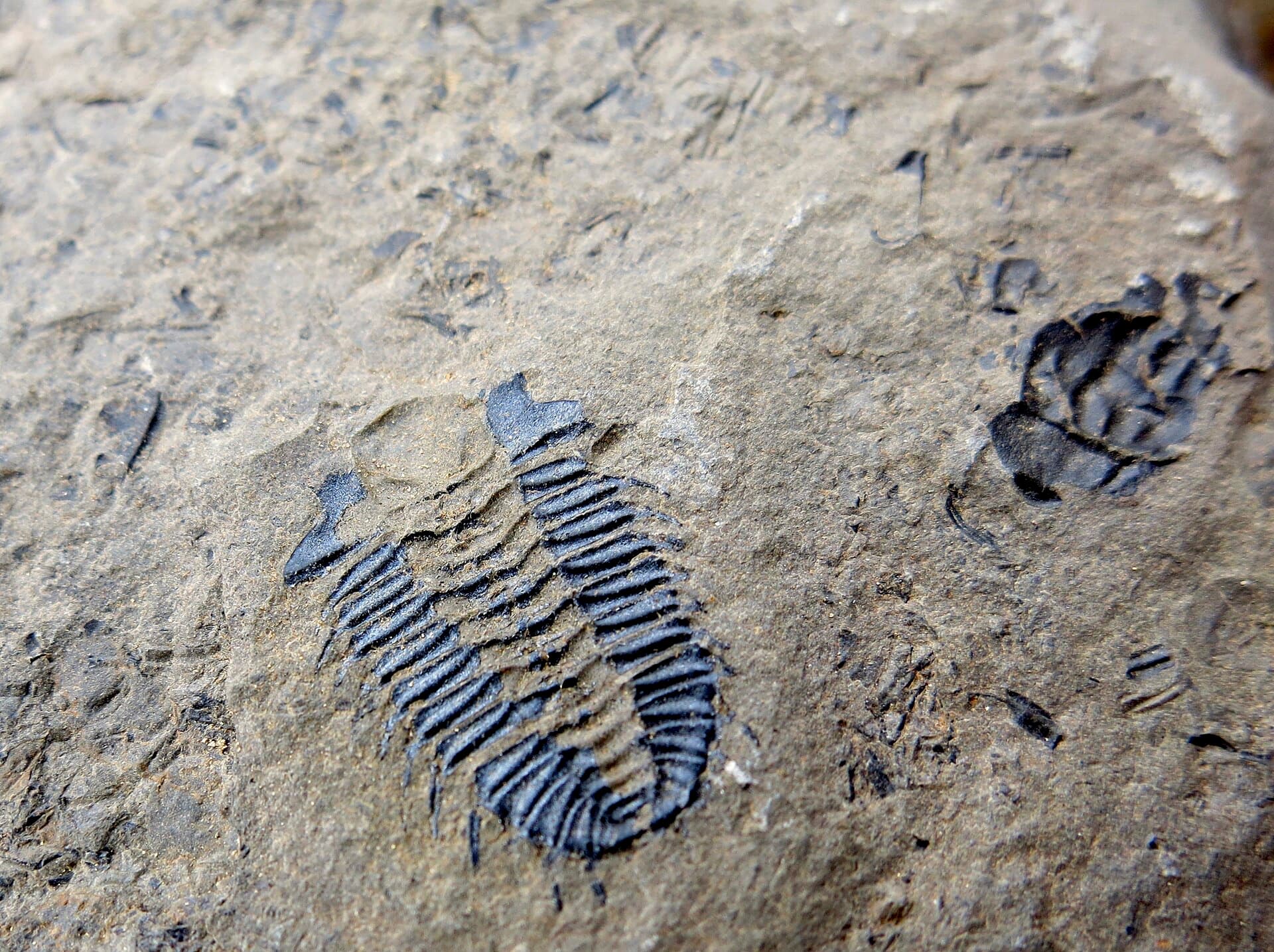
Sources:The Cambrian explosionDarwin, On the Origin of Species, 6th ed. (1872), ch. 10The Burgess ShaleEdiacaran biotaPossible causes of the Cambrian explosion
Check yourself
What did Darwin say would make his theory “absolutely break down”?Show the answer
A complex organ that “could not possibly have been formed by numerous, successive, slight modifications.” Then he added, “But I can find out no such case.” In his day, nobody could see the machines inside a cell.
What does Behe mean by “irreducibly complex,” and what does the mousetrap show?Show the answer
A system of well-matched parts that stops working if any one part is taken away. Take the hammer off a mousetrap and it doesn't catch fewer mice. It catches none.
What change does nobody doubt, and what is the real question?Show the answer
Small change within a kind, like germs adapting to drugs, is observed. The question is whether mutation and natural selection alone, with no one guiding them, could build brand-new machines like the bacterial flagellum.
What is the best reply to Behe, and how did he answer it?Show the answer
Kenneth Miller pointed out that some of the motor's base proteins resemble a tiny syringe some bacteria use, so part of the motor has a job of its own. Behe answered that finding parts in another machine doesn't show how either was built. And a syringe isn't a motor.
Why does malaria matter to the question?Show the answer
Malaria parasites multiply by the trillions, yet resistance to chloroquine needed at least two mutations working together, with odds near one in a hundred billion billion, and it arose on its own fewer than ten times in fifty years. A motor is a far bigger ask, unless every step was useful on its own, and nobody has shown those steps.
How did the germ in the porin example survive the antibiotic?Show the answer
By breaking the little doors in its wall that the drug comes in through. It survived by losing something it had. Breaking parts can help a germ survive a drug, but it doesn't build a motor.
Wonderfully made
So when you find a motor inside a germ, built from parts that only work together, the simplest explanation is the one we give for every other motor: someone designed it. David said it about his own body:
“I praise you because I am fearfully and wonderfully made; your works are wonderful, I know that full well.”
Psalm 139:14
John saw where that leads. In a vision of heaven, he heard the elders lay their crowns before God's throne and say, “You are worthy, our Lord and God, to receive glory and honor and power, for you created all things, and by your will they were created and have their being” (Revelation 4:11).
You're one of the works David was talking about. If he made you, you belong to him. The chapters ahead ask who this Maker is, and why Christians say he came looking for us in Jesus.
For now, you can talk to him. You could pray: God, I praise you, because I am fearfully and wonderfully made. You made me, so I belong to you. Show me who you are, and I will follow you.

Sources:Psalm 139:14The watchmaker argumentRevelation 4:10–11