
Are all humans one family?
What your DNA says
★ Kids' lesson▶ Watch the ShortA 7-minute video All the videos on YouTube
The short answer
Yes. The Bible says God made every nation from one man, and our DNA fits that picture: all people are strikingly alike, no line in our genes splits us into separate kinds, and our family trees meet sooner than you'd guess. We are one family that broke apart, and God is gathering it again through Jesus.
What the Bible says
Look at the people on any busy street. Different faces, different languages, different stories. The Bible makes a bold claim about every one of them. Paul told a crowd of philosophers in Athens:
“From one man he made all the nations.”
Acts 17:26
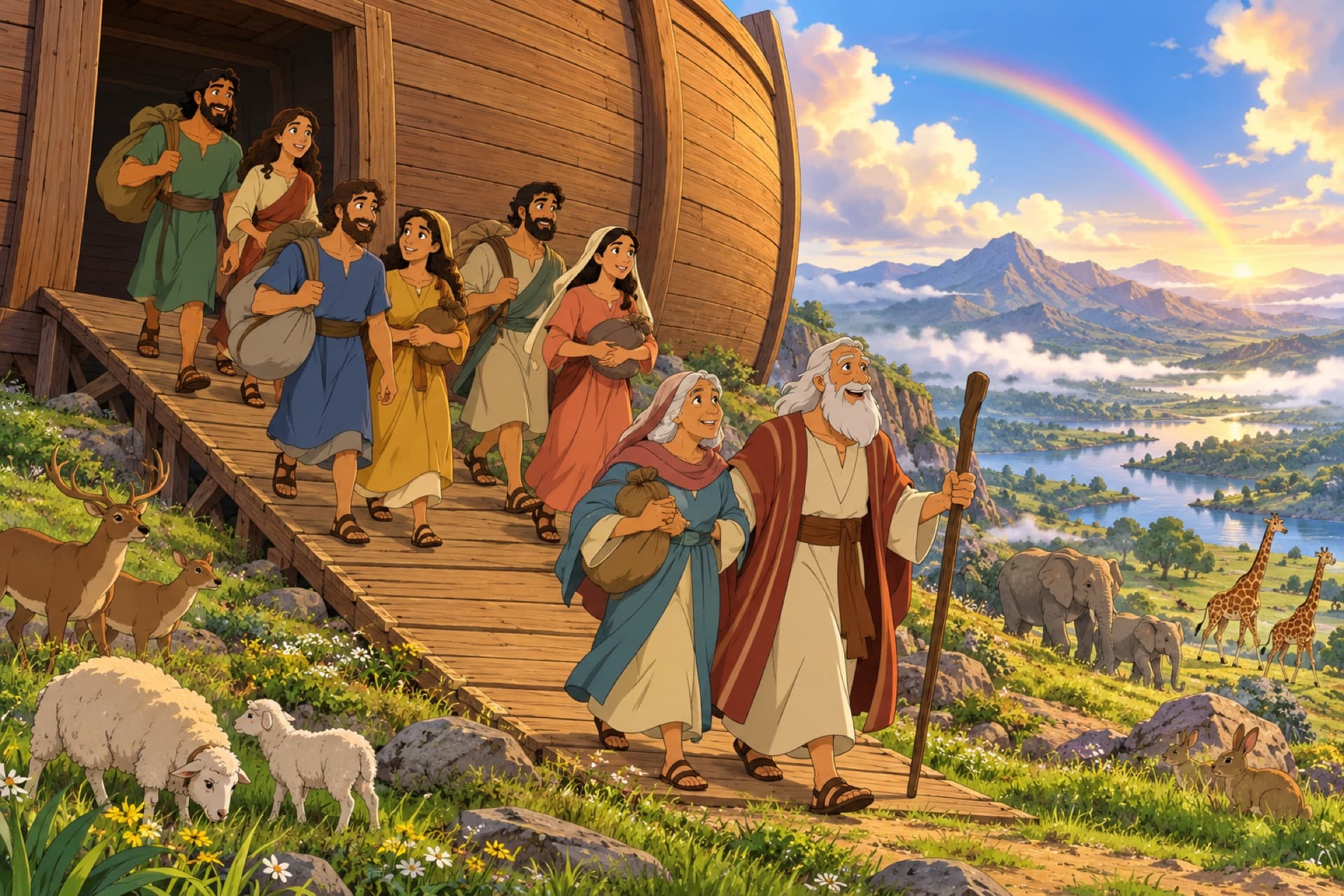
Here's the Christian answer: every person on earth belongs to one family, made by one God, in his image. Genesis calls Eve “the mother of all the living” (Genesis 3:20). After the flood it names Noah's three sons and says, “from them came the people who were scattered over the whole earth” (Genesis 9:19).
Is that just a nice thought? Or does your DNA have something to say about it?

Real peoples
Then Genesis 10 traces the nations back to Noah's sons, family by family. These aren't made-up names. You can find them in Egyptian, Assyrian and Greek records:
- Egypt, which Genesis calls Mizraim (Genesis 10:6).
- Assyria, from Asshur (Genesis 10:22).
- The Medes, from Madai (Genesis 10:2).
- The Greeks of Ionia, from Javan (Genesis 10:2).
- And Cush, Elam and Aram besides.
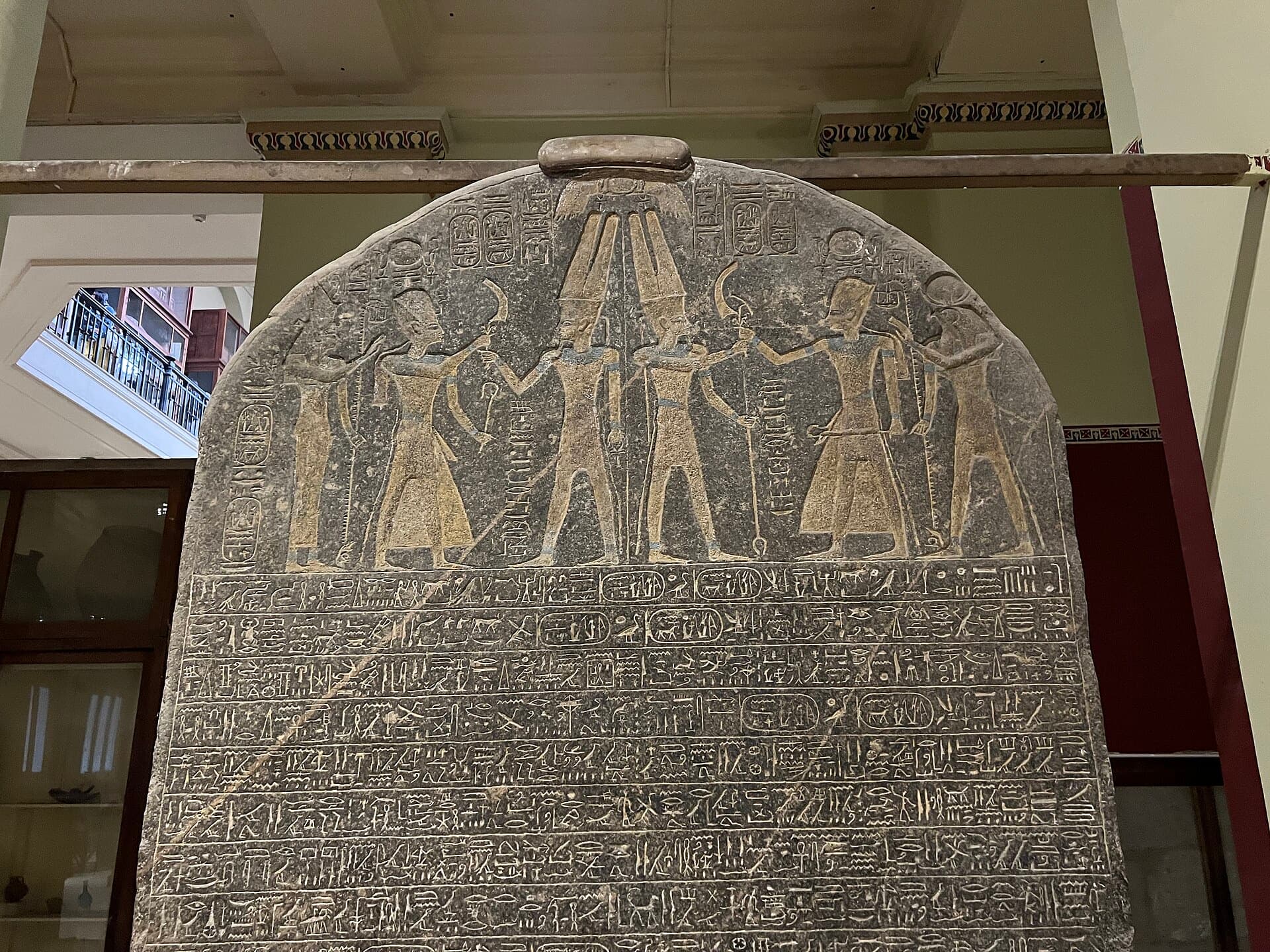
Sources:Genesis 10Generations of Noah (the Table of Nations)Merneptah SteleLamassuMedesIonians
How alike we are
Start with how alike we are. America's National Human Genome Research Institute puts it simply:
“All human beings are 99.9 percent identical in their genetic makeup.”
National Human Genome Research Institute
Line up a thousand letters of your DNA beside a stranger's from the other side of the world, and on average just one is different.
And for a species spread over the whole planet, we're strangely alike. Chimpanzees carry several times more genetic variety than we do.

Sources:National Human Genome Research Institute, “Genetics vs. Genomics Fact Sheet”Kaessmann, Wiebe, Weiss and Pääbo, “Great ape DNA sequences reveal a reduced diversity and an expansion in humans,” Nature Genetics 27 (2001)
What about “99 percent chimp”?
You may have heard that we're 99 percent chimpanzee. That number is real, but it counts only the DNA letters that line up one to one. Here's the fuller count:
- Letters that line up but differ: about 1.2 percent.
- Stretches one genome has and the other lacks: about 3 percent more, so the difference roughly triples, to about 4 percent.
- And humans carry genes that chimps don't have at all.
So “99 percent chimp” leaves out most of the story. Next to the apes, it's people who are strikingly alike.
Sources:Chimpanzee Sequencing and Analysis Consortium, “Initial sequence of the chimpanzee genome,” Nature 437 (2005)Britten, “Divergence between samples of chimpanzee and human DNA sequences is 5%, counting indels,” PNAS 99 (2002)Yoo et al., “Complete sequencing of ape genomes,” Nature 641 (2025)Dennis et al., Cell 149 (2012) (human-only gene copies)
Why so alike?
So why are we so like the apes at all? One answer is a shared ancestor. But think like a software engineer. Good programmers don't write new code for every app. They reuse the libraries that work. A Maker who gave the creatures of one world the same building blocks would leave the same pattern.
Critics answer: then why would a designer reuse broken viral scraps that we share with chimps? But some of those scraps turn out to be working switches in our cells.
So likeness alone can't settle where we came from. And the Bible names what sets us apart: we alone are made in the image of God (Genesis 1:27).

Sources:Geisler and Turek, I Don't Have Enough Faith to Be an Atheist (Crossway, 2004), ch. 6Common descentChuong, Elde and Feschotte, “Regulatory evolution of innate immunity through co-option of endogenous retroviruses,” Science 351 (2016)Endogenous retrovirusGenesis 1:27
No separate kinds of people
Second, the differences we do have don't split us into separate kinds. In 2002, geneticists compared more than a thousand people from fifty-two populations around the world. Most of the variety, 93 to 95 percent, was between people inside the same population. Only 3 to 5 percent separated the major groups.
Your DNA can still show where your ancestors lived. But there's no line in it that makes one people a different kind of human. That's just what Paul said: one family, spread out over the earth.
Sources:Rosenberg et al., “Genetic structure of human populations,” Science 298 (2002)Acts 17:26
One mother line, one father line
Two small pieces of your DNA come down one line each. Your mitochondrial DNA came from your mother, and hers, and hers. A man's Y chromosome came from his father, and his father's father.
Trace every living person's mother line back, and they all meet in one woman. Trace every man's father line back, and they meet in one man. Scientists nicknamed them “mitochondrial Eve” and “Y-chromosomal Adam.”
The DNA alone can't tell us who they were. But it fits the picture Genesis paints: one family tree, going back to “the mother of all the living.”
Sources:Cann, Stoneking and Wilson, “Mitochondrial DNA and human evolution,” Nature 325 (1987)Poznik et al., Science 341 (2013)Mitochondrial EveY-chromosomal AdamGenesis 3:20
Closer than you think
And this one surprises people. Follow whole family trees, every parent and not just one line, and they join up fast. In 2004, three statisticians modeled the human family tree in the journal Nature. In their models, the most recent common ancestor of everyone alive today lived “just a few thousand years ago.”
These are models, not dug-up records. But think about what they mean. The stranger across the world from you? A little way back, your family tree and theirs are the same tree.
So here's what we can stand on. All of us strikingly alike. No separate kinds of people. Family trees that meet in only a few thousand years. Genesis and Paul said we were one family long before anyone could read DNA.
Sources:Rohde, Olson and Chang, “Modelling the recent common ancestry of all living humans,” Nature 431 (2004)Most recent common ancestor
Scattered, and gathered
Genesis also tells why the family split up. At Babel, people wanted to “make a name for ourselves,” and God scattered them: “there the LORD confused the language of the whole world” (Genesis 11:9). Ever since, we've treated family like strangers. Every war between peoples, every joke about someone's race, is a fight inside the family.
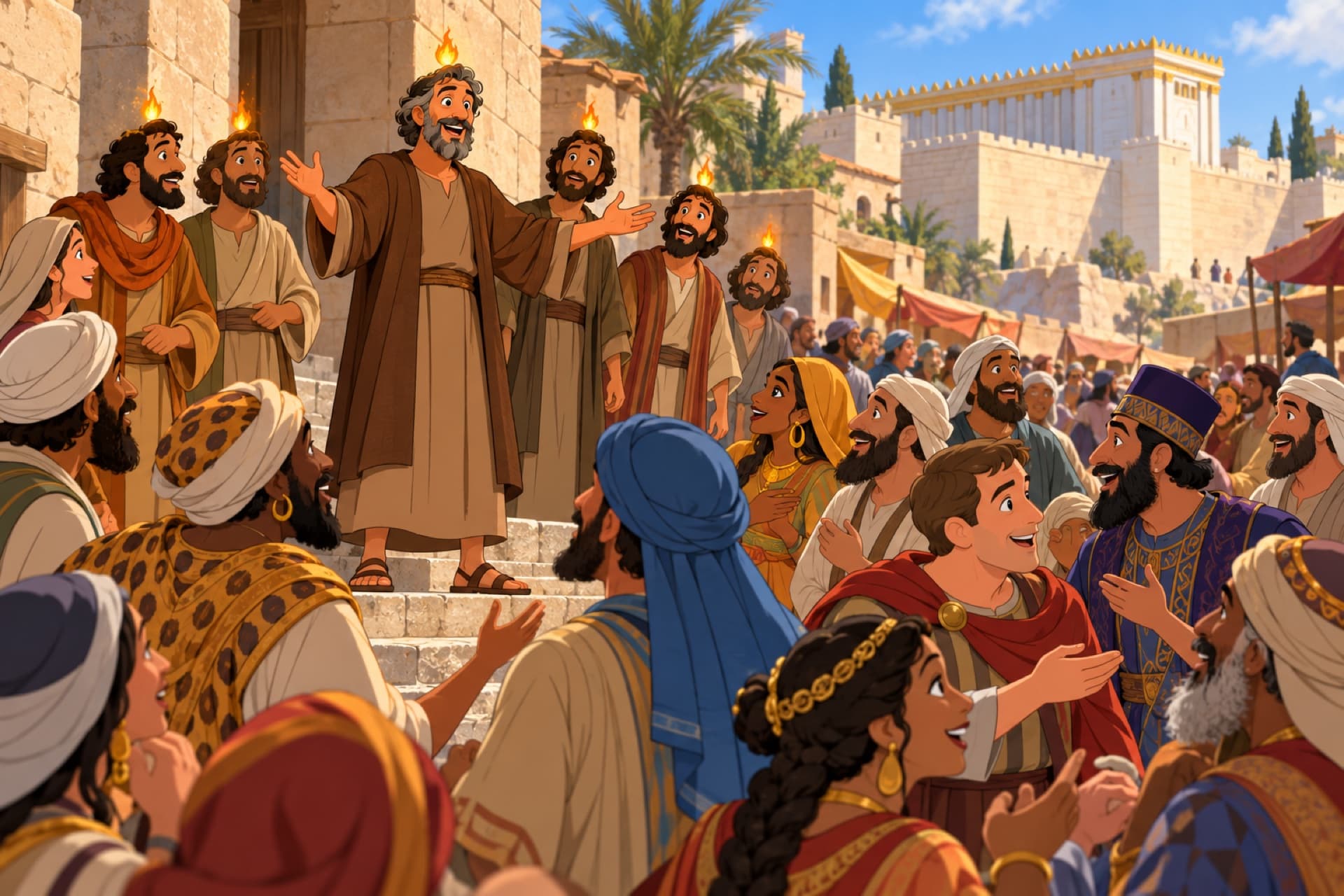
But God didn't leave it there. At Pentecost, people from every nation heard Jesus' followers in their own languages: “we hear them declaring the wonders of God in our own tongues!” (Acts 2:11).
And the Bible ends with the whole family together again:
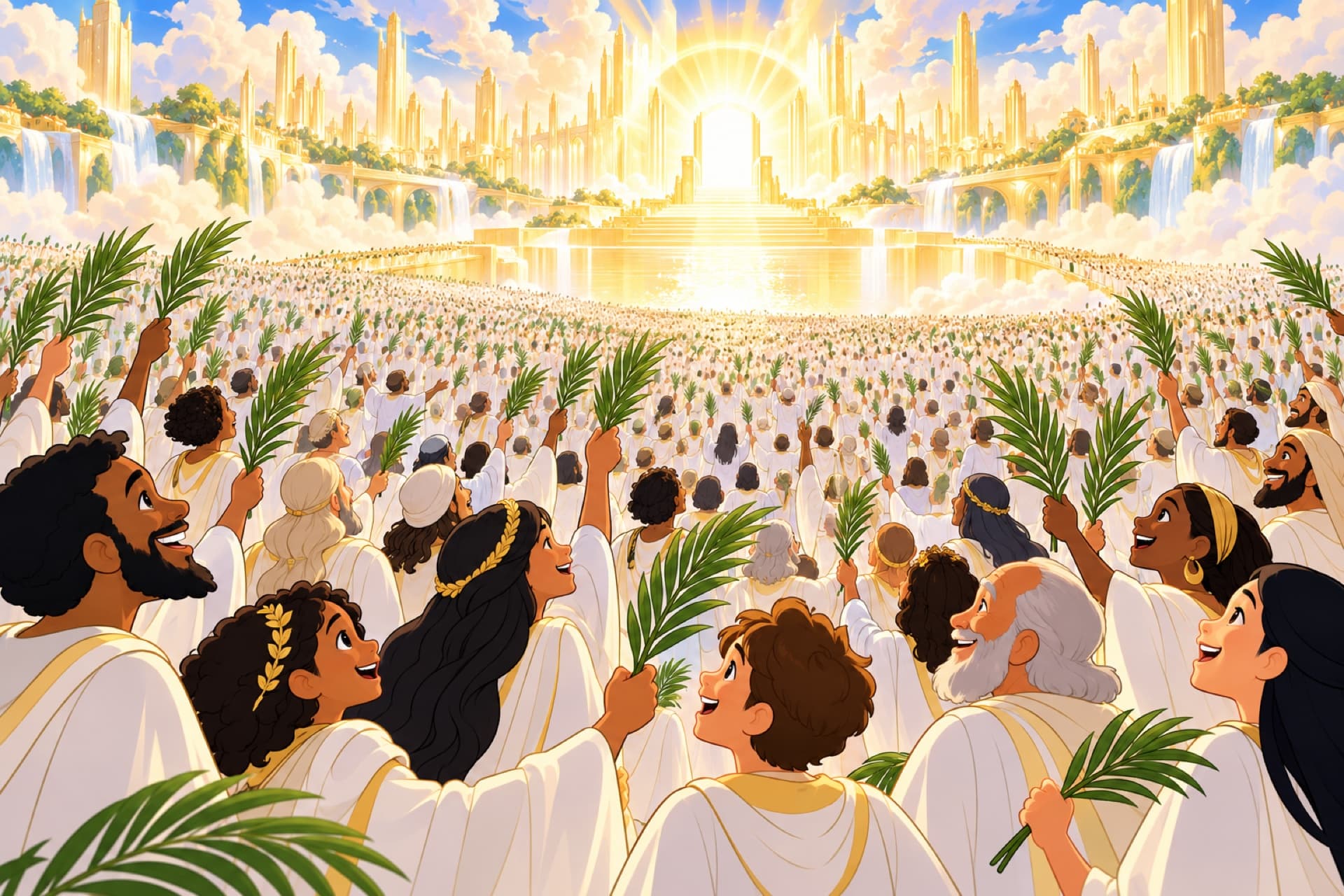
“After this I looked, and there before me was a great multitude that no one could count, from every nation, tribe, people and language, standing before the throne and before the Lamb.”
Revelation 7:9
They're there because of what Jesus did. Heaven sings to him, “with your blood you purchased for God persons from every tribe and language and people and nation” (Revelation 5:9).
Sources:Genesis 11:1–9Acts 2:5–11Revelation 7:9–10Revelation 5:9
Check yourself
What did Paul tell the philosophers in Athens about every nation?Show the answer
“From one man he made all the nations” (Acts 17:26). Genesis says the same: Eve is “the mother of all the living,” and after the flood the people of the whole earth came from Noah's three sons.
How alike is your DNA to a stranger's from the other side of the world?Show the answer
All human beings are 99.9 percent identical in their genetic makeup. Line up a thousand letters, and on average just one is different. Chimpanzees carry several times more genetic variety than we do.
What does the “99 percent chimp” number leave out?Show the answer
It counts only the letters that line up one to one. Count the stretches one genome has and the other lacks, and the difference roughly triples, to about 4 percent. And humans carry genes chimps don't have at all.
Does human DNA split people into separate kinds?Show the answer
No. In a 2002 study of fifty-two populations, 93 to 95 percent of the variety was between people inside the same population, and only 3 to 5 percent separated the major groups.
Who are “mitochondrial Eve” and “Y-chromosomal Adam”?Show the answer
The one woman every living person's mother line traces back to, and the one man every man's father line traces back to. The DNA alone can't tell us who they were, but it fits the one family tree Genesis describes.
How does the Bible's story of the human family end?Show the answer
With the whole family together again: a great multitude from every nation, tribe, people and language before the throne, there because Jesus purchased them with his blood (Revelation 7:9; 5:9).
Not far from any one of us
Paul told the Athenians why God made us one family:
“God did this so that they would seek him and perhaps reach out for him and find him, though he is not far from any one of us.”
Acts 17:27
Then he told them what to do. God “commands all people everywhere to repent,” and “he has given proof of this to everyone by raising him from the dead” (Acts 17:30–31).
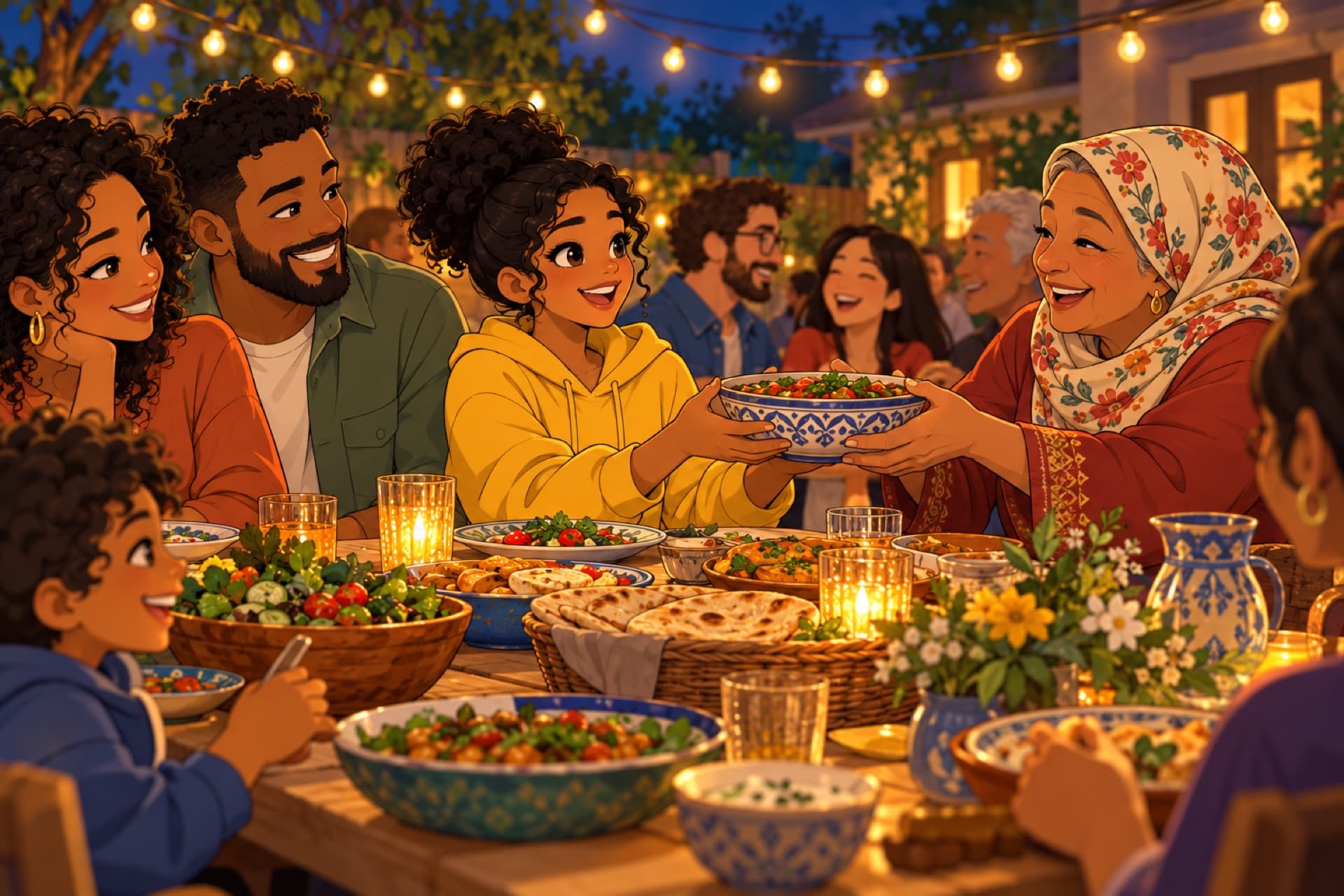
Is anyone there? He's not far from you. Turn to him, follow the one he raised, and you're “no longer foreigners and strangers” (Ephesians 2:19). You're family.
You could pray: God, you made every nation from one man, and you made me. I've lived as a stranger to you. Jesus, you gave your life to bring me home. I turn to you, I trust you, and I will follow you.
Sources:Acts 17:27–31Ephesians 2:19