
What is faith?
Pistis: trust in Jesus the King
A 8-minute video▶ Watch the one-minute ShortWatch the whole series on YouTube
The short answer
The New Testament's word for faith, pistis, means trust and faithfulness in one word. The gospel announces Jesus as the risen King, so the faith that saves is trusting him as King and staying loyal to him. It's received by grace, never earned.
Even the demons believe
“You believe that there is one God. Good! Even the demons believe that—and shudder.” So believing that God exists isn't enough. Then what is the faith that saves?
The New Testament's word for faith is pistis, and it means more than most of us were taught.

Sources:James 2:19
One word
Pistis comes from the verb peithō, to persuade. Greek dictionaries give it a range: faith, belief, trust, confidence, and fidelity. English splits it into two words, faith and faithfulness. Greek uses one word for both.
Jesus told the Pharisees they gave God a tenth of their mint and dill, but “you have neglected the more important matters of the law—justice, mercy and faithfulness.” That last word is pistis. Paul asks: “Will their unfaithfulness nullify God's faithfulness?” That's God's pistis. God doesn't need faith. He keeps faith.
Paul tells servants to show “that they can be fully trusted,” and he warns of some who “have broken their first pledge.” In Greek, both of those are pistis. And in Athens, Paul says God “has given proof of this to everyone by raising him from the dead.” That word for proof is pistis too. God doesn't ask for our trust without giving us a reason. The empty tomb is his evidence.
So pistis is trust you place in someone, and faithfulness you keep with them. It's a relationship, not just an opinion.

Sources:πίστις (pistis), Strong's G4102πίστις, Thayer's Greek LexiconMatthew 23:23Matthew 23:23, Greek interlinearRomans 3:3Romans 3:3, Greek interlinearTitus 2:101 Timothy 5:12Acts 17:22–31Acts 17:31, Greek interlinear
What kings asked for
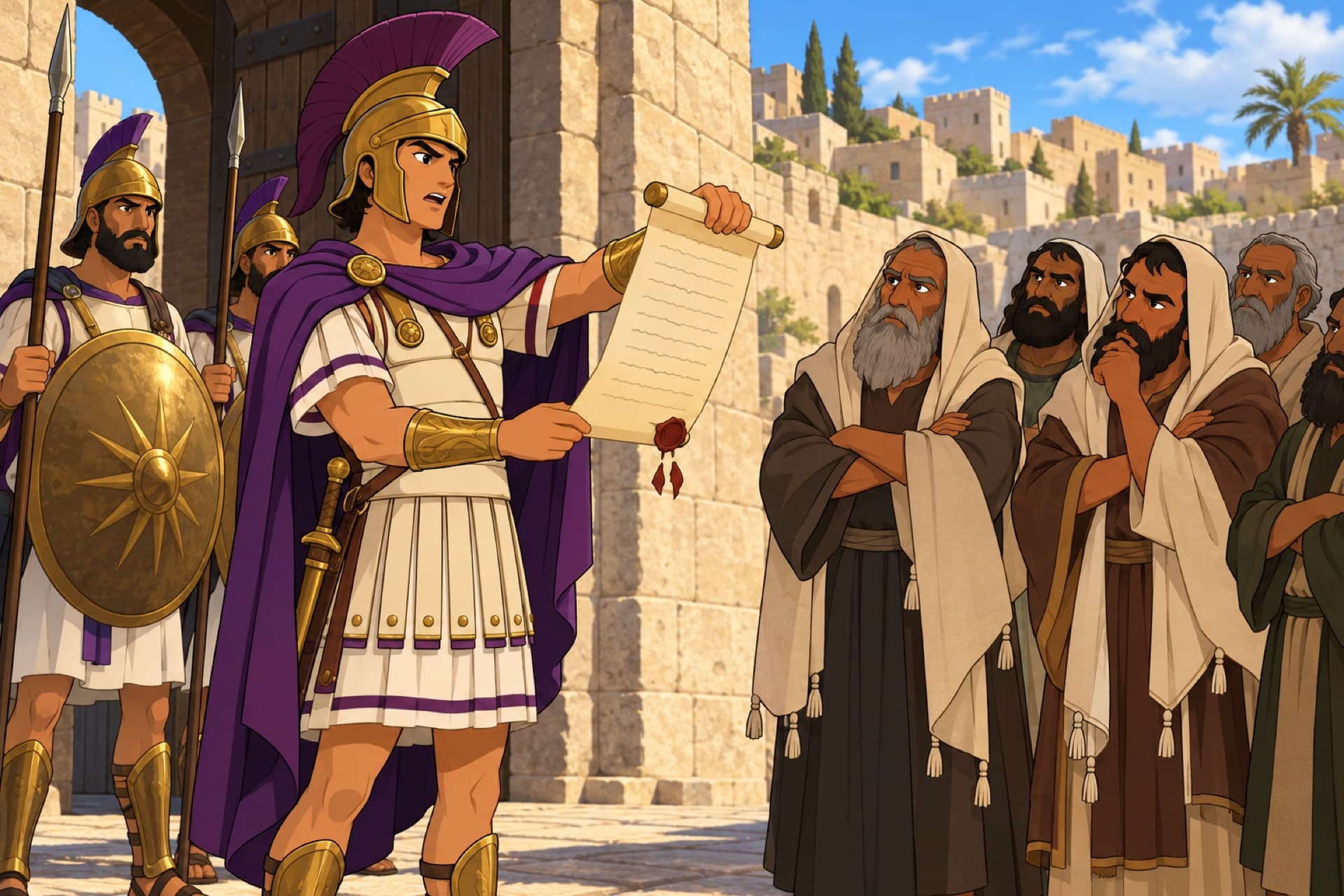
About a hundred and fifty years before Jesus, a Greek king named Demetrius wanted the Jews on his side. He wrote to them:
“Wherefore now continue ye still to be faithful unto us, and we will well recompense you…”
King Demetrius I, 1 Maccabees 10:27, tr. Brenton (1851)
The Greek word for faithful there is pistis. Another Jewish book from before Jesus says the Jews in Egypt “always maintained a feeling of unswerving loyalty towards the kings.” That loyalty is pistis. When a king asked for pistis, he wasn't asking whether you believed he existed. He was asking whose side you were on.
That's why some scholars, like Matthew Bates, say the best English word here is often allegiance: believing the King's good news, declaring loyalty to him, and living it out.
Sources:1 Maccabees 10:25–27, tr. Brenton (1851)1 Maccabees 10:27, Septuagint GreekDemetrius I Soter3 Maccabees 3:3, tr. Brenton (1851)3 Maccabees 3:3, Septuagint GreekMatthew W. Bates, Salvation by Allegiance Alone (Baker Academic, 2017)Matthew Bates in the Hot Seat (Logos Academic Blog interview)
The gospel of a King
Look how Paul opens Romans. His gospel is about a King: God's Son, “who as to his earthly life was a descendant of David, and who through the Spirit of holiness was appointed the Son of God in power by his resurrection from the dead: Jesus Christ our Lord.” At Pentecost, Peter's sermon lands here: “God has made this Jesus, whom you crucified, both Lord and Messiah.” Messiah means the anointed King.
So what response was Paul sent to call for? He says it in the first chapter of Romans: “to call all the Gentiles to the obedience that comes from faith.” And he says it again in its last lines.
In a world full of gods, that meant changing sides. The Thessalonians “turned to God from idols to serve the living and true God.” And it cost them. Paul tells them, “You suffered from your own people.”

Sources:Romans 1:1–42 Timothy 2:8Acts 2:14–41Romans 1:5Romans 16:25–27Romans 1:5, Greek interlinear1 Thessalonians 1:91 Thessalonians 2:14
Believed, but not trusted
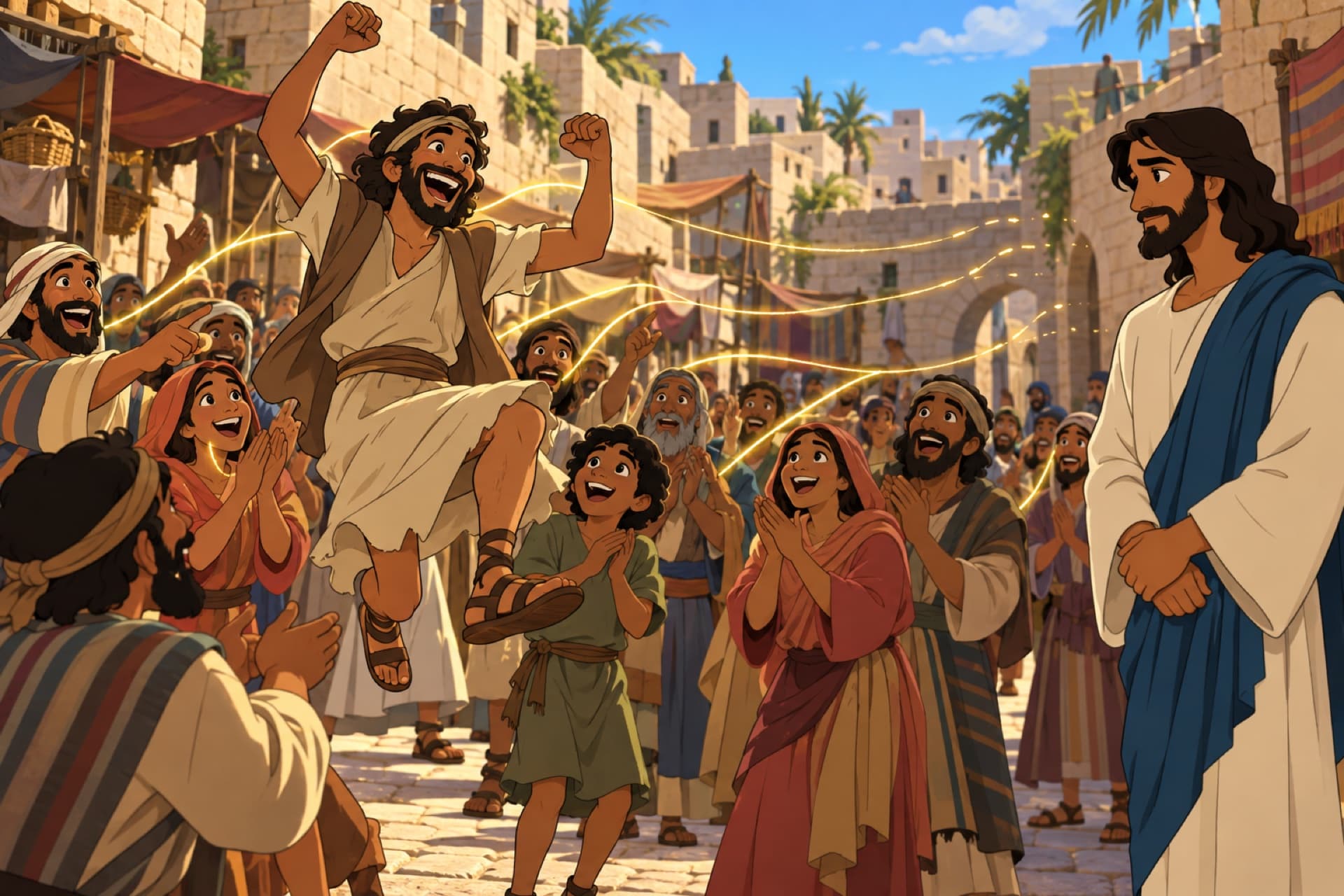
At the Passover festival, “many people saw the signs he was performing and believed in his name.” Then John adds: “But Jesus would not entrust himself to them.” In Greek it's the same verb. They believed in him. He didn't entrust himself to them.
They were impressed by miracles. Jesus wanted followers. He said, “Not everyone who says to me, ‘Lord, Lord,’ will enter the kingdom of heaven, but only the one who does the will of my Father who is in heaven.”
Facts still matter. Hebrews says anyone who comes to God “must believe that he exists.” The demons get that far. Faith begins there, but it doesn't stop there.
Sources:John 2:23–25John 2:23, Greek interlinearJohn 2:24, Greek interlinearMatthew 7:21Hebrews 11:6James 2:19
Isn't that earning it?
But doesn't allegiance sound like earning it? Paul answers:
“For it is by grace you have been saved, through faith—and this is not from yourselves, it is the gift of God—not by works, so that no one can boast.”
Ephesians 2:8–9
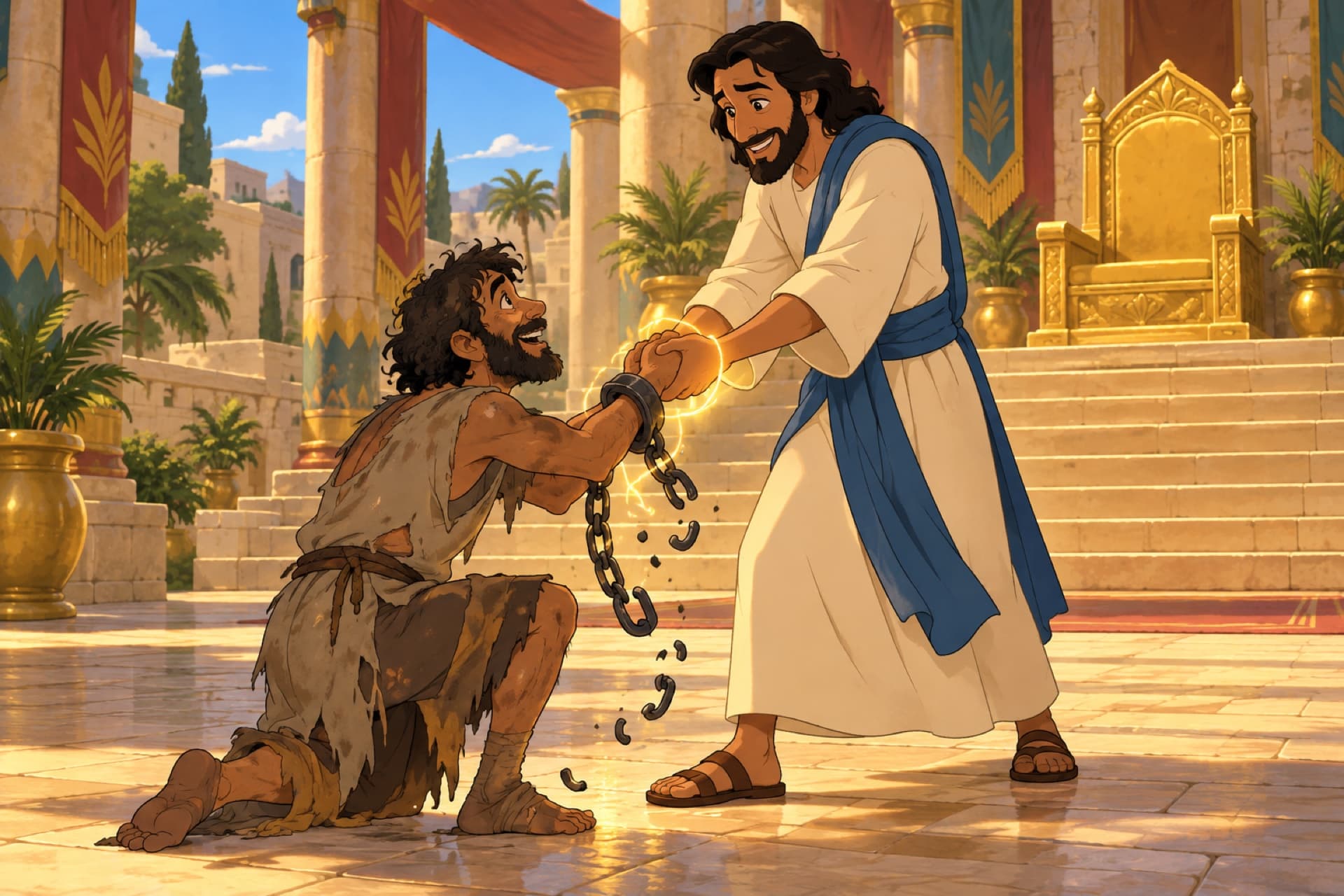
You can't pay a king for a pardon. You receive it, by coming over to his side. And allegiance isn't how we pay. Jesus paid. We were slaves to sin, and he gave his life as our ransom. Now we're his. If we truly belong to him, we will live for him: “You are not your own; you were bought at a price.”
And the next verse says what comes after: “For we are God's handiwork, created in Christ Jesus to do good works.” Works don't win his favor. They grow from it. Grace “teaches us to say ‘No’ to ungodliness and worldly passions,” and “it is God who works in you to will and to act in order to fulfill his good purpose.” So he gets the credit.
So Paul can say God “will repay each person according to what they have done. To those who by persistence in doing good seek glory, honor and immortality, he will give eternal life.” That isn't earning. It's what belonging to him looks like: “he died for all, that those who live should no longer live for themselves but for him who died for them and was raised again.”
Sources:Ephesians 2:8–9Ephesians 2:10John 8:34–36Mark 10:451 Corinthians 6:19–20Titus 2:11–14Philippians 2:12–13Romans 2:6–72 Corinthians 5:14–15
Trust, kept
Faith is still trust. Abraham “did not waver through unbelief regarding the promise of God… being fully persuaded that God had power to do what he had promised.” So allegiance doesn't replace trust. It includes it.
Habakkuk wrote, “the righteous person will live by his faithfulness.” Paul quotes it: “The righteous will live by faith.” In the Greek Bible Paul read, it's the same word. Allegiance is trust in the King, kept.
Jesus told the church in Smyrna, “Be faithful, even to the point of death, and I will give you life as your victor's crown.” And Paul, near the end, in chains: “I have fought the good fight, I have finished the race, I have kept the faith.” He kept his pistis to the end.

Sources:Romans 4:18–21Habakkuk 2:1–4Habakkuk 2:4, Septuagint GreekRomans 1:17Galatians 3:11Hebrews 10:38Revelation 2:8–132 Timothy 4:6–8
Check yourself
What does pistis mean?Show the answer
Trust and faithfulness in one word: the trust you place in someone, and the faithfulness you keep with them.
When a king asked for pistis, what was he asking for?Show the answer
Loyalty. Not whether you believed he existed, but whose side you were on.
The demons believe God exists. Why isn't that the faith that saves?Show the answer
Faith begins with the facts, but it doesn't stop there. The faith that saves trusts Jesus as King and stays loyal to him.
If faith includes allegiance, do we earn salvation?Show the answer
No: “it is by grace you have been saved, through faith… not by works.” Jesus paid the ransom. We receive the pardon by coming over to his side, and good works grow from grace.
Follow the King
Here's the King you're asked to trust. “While we were still sinners, Christ died for us.” And Paul passed on what he received: “that he was buried, that he was raised on the third day according to the Scriptures.” One day, “at the name of Jesus every knee should bow.” Today you can bow by choice.
In Mark, Jesus' first words of preaching ask for exactly this: “Repent and believe the good news!” Turn from your old masters. Trust him, and give him your allegiance. You can tell him now: Jesus, thank you for dying for me and rising again. I turn from my sin to follow you. I trust you, and I give you my loyalty. You are my Lord and Savior.
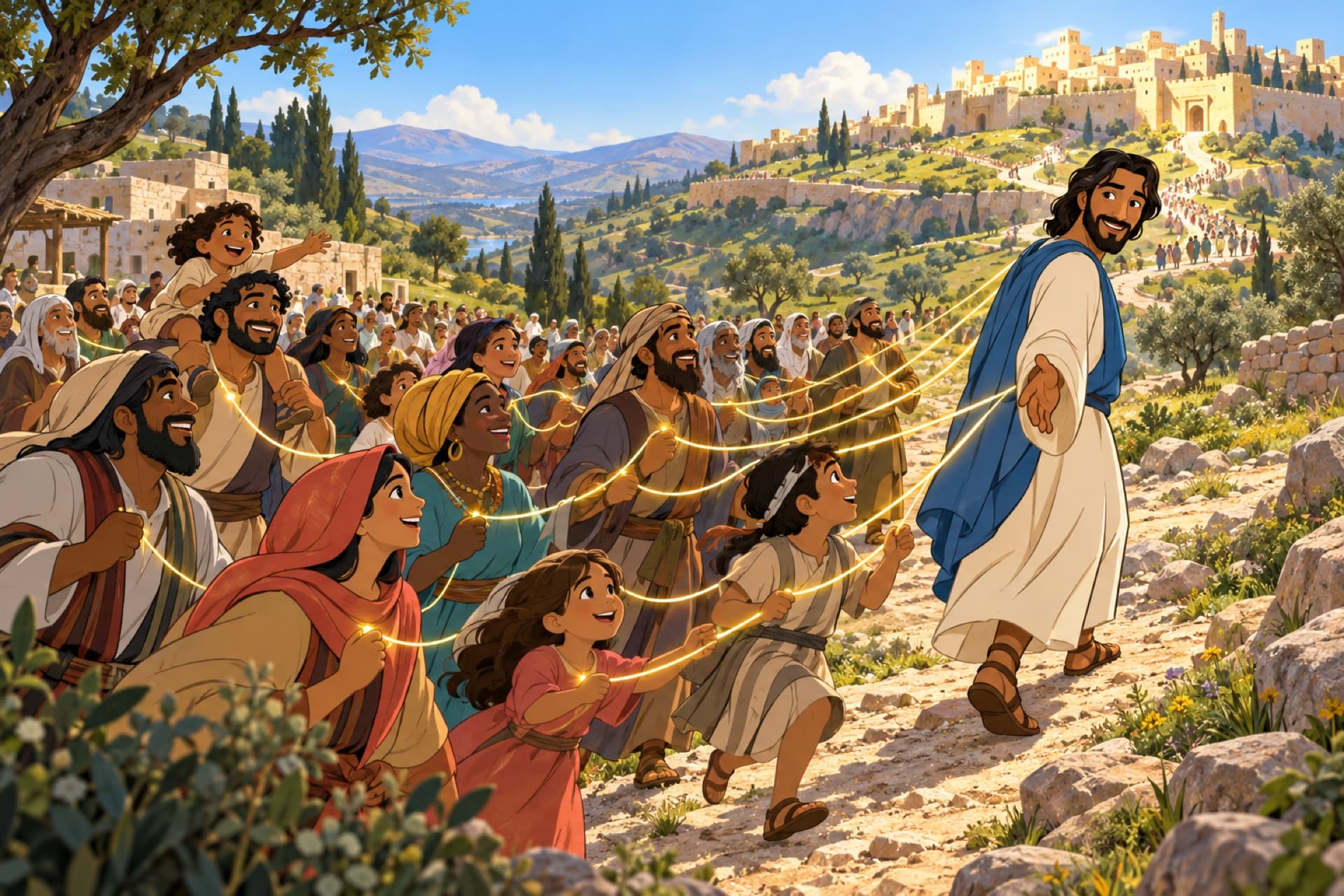
John saw how the story ends: with the Lamb “will be his called, chosen and faithful followers.” That's faith. Not just believing he's there. Trusting him, and staying with him.
Sources:Romans 5:81 Corinthians 15:3–4Philippians 2:9–11Mark 1:14–17Revelation 17:14