Was Jesus predicted before he was born?
Isaiah 53 and Psalm 22
A 6-minute video▶ Watch the one-minute ShortWatch the whole series on YouTube
The short answer
Yes. Seven hundred years before Jesus was born, Isaiah wrote a poem about a servant of God who would be despised, pierced, silent before his accusers, buried with the rich, and alive again after he died. A copy of that poem was made around 125 BC, so the words came first, long before anyone could bend them to fit him.
A poem about a servant
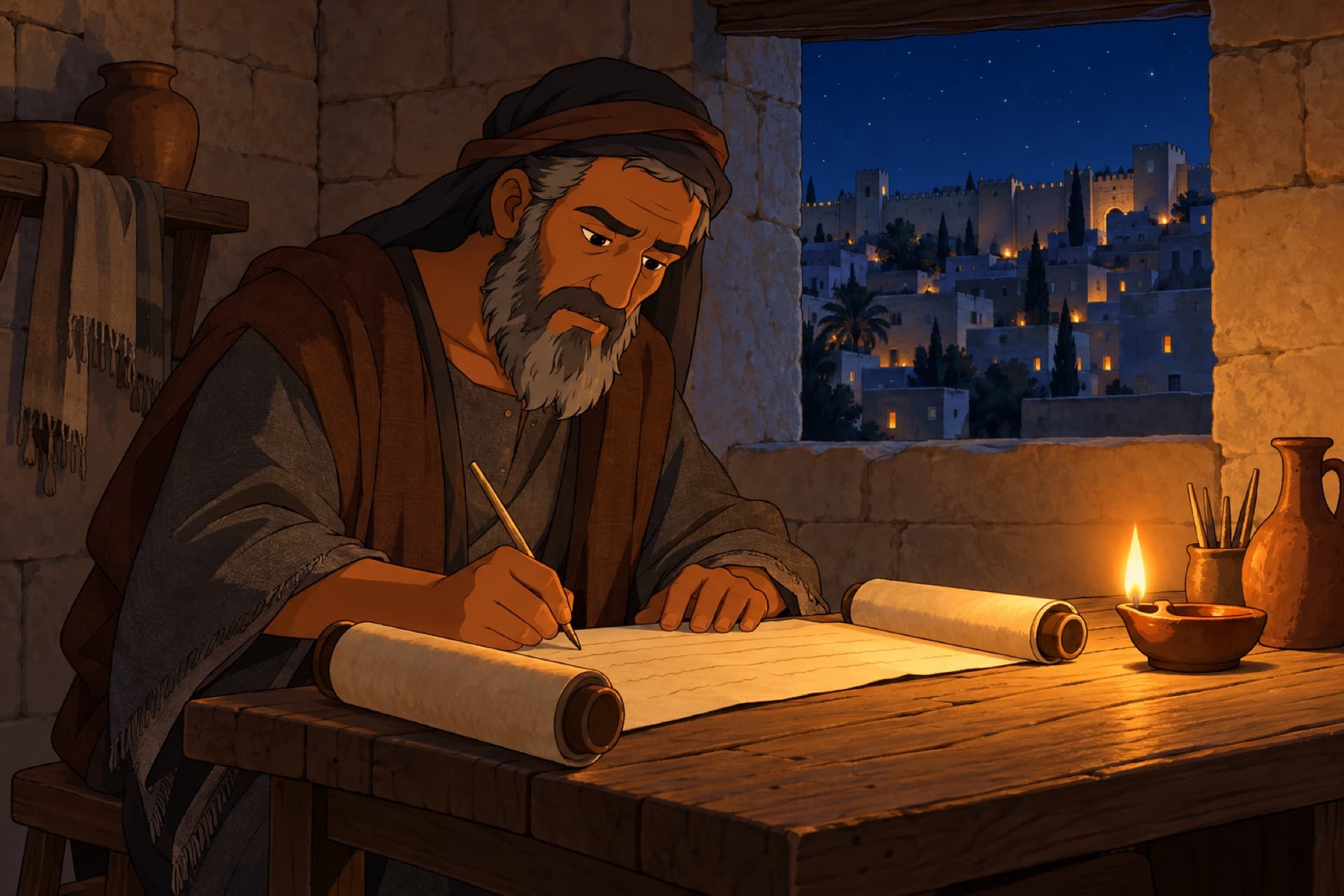
Did anyone see Jesus coming? Isaiah preached in Jerusalem in the 700s BC (Isaiah 1:1). Near the end of his book is a short poem about God's “servant” (Isaiah 52:13–53:12), and it doesn't sound like a conquering king:
“He was despised and rejected by mankind, a man of suffering, and familiar with pain.”
Isaiah 53:3
Then comes the heart of it: “But he was pierced for our transgressions, he was crushed for our iniquities; the punishment that brought us peace was on him, and by his wounds we are healed” (Isaiah 53:5). Christians believe the servant is Jesus. So test it: set the poem beside the last days of his life and see whether it fits. And keep one more fact in mind. A copy of this poem was sealed in a jar more than a century before the cross.
Sources:Isaiah 52:13–53:12Great Isaiah Scroll (Israel Museum)Isaiah 1:1Isaiah 53:3Isaiah 53:5
Isaiah 53, line by line
Now line the poem up with the last days of Jesus:
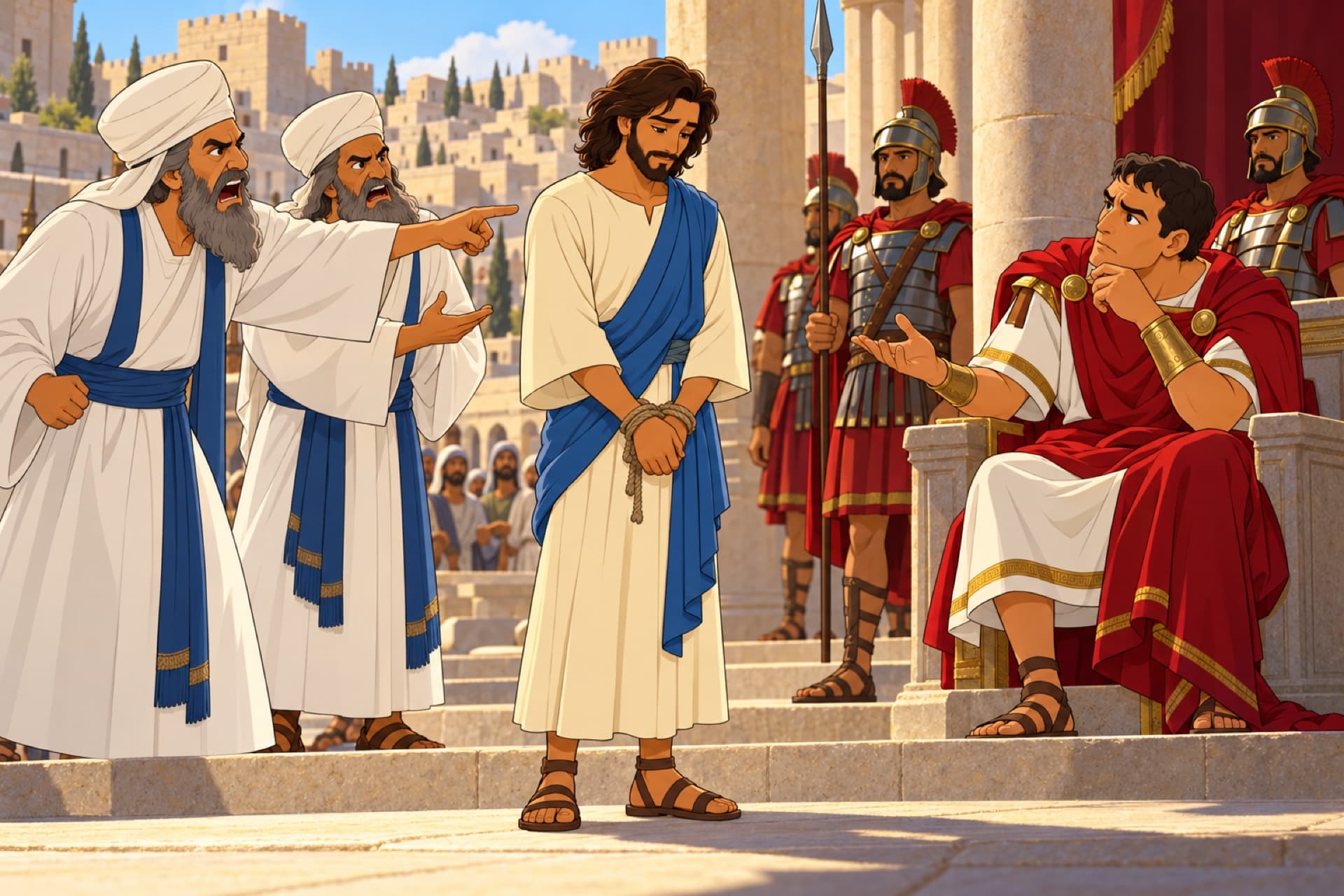
- “He was oppressed and afflicted, yet he did not open his mouth” (Isaiah 53:7). Before Pilate, “Jesus still made no reply” (Mark 15:5).
- He “was numbered with the transgressors” (Isaiah 53:12). He was crucified between two rebels, one on his right and one on his left (Mark 15:27).
- “He was assigned a grave with the wicked, and with the rich in his death” (Isaiah 53:9). A rich man, Joseph of Arimathea, laid him in his own new tomb (Matthew 27:57–60).
And the poem doesn't end in the grave: “After he has suffered, he will see the light of life and be satisfied” (Isaiah 53:11). The servant dies, and then he lives. Three days after the cross, the tomb was empty (Luke 24:1–6).
Sources:Isaiah 53:7Mark 15:1–5Matthew 27:12–14Isaiah 53:12Mark 15:27Isaiah 53:9Matthew 27:57–60Isaiah 53:10–11Luke 24:1–6
A psalm from the cross
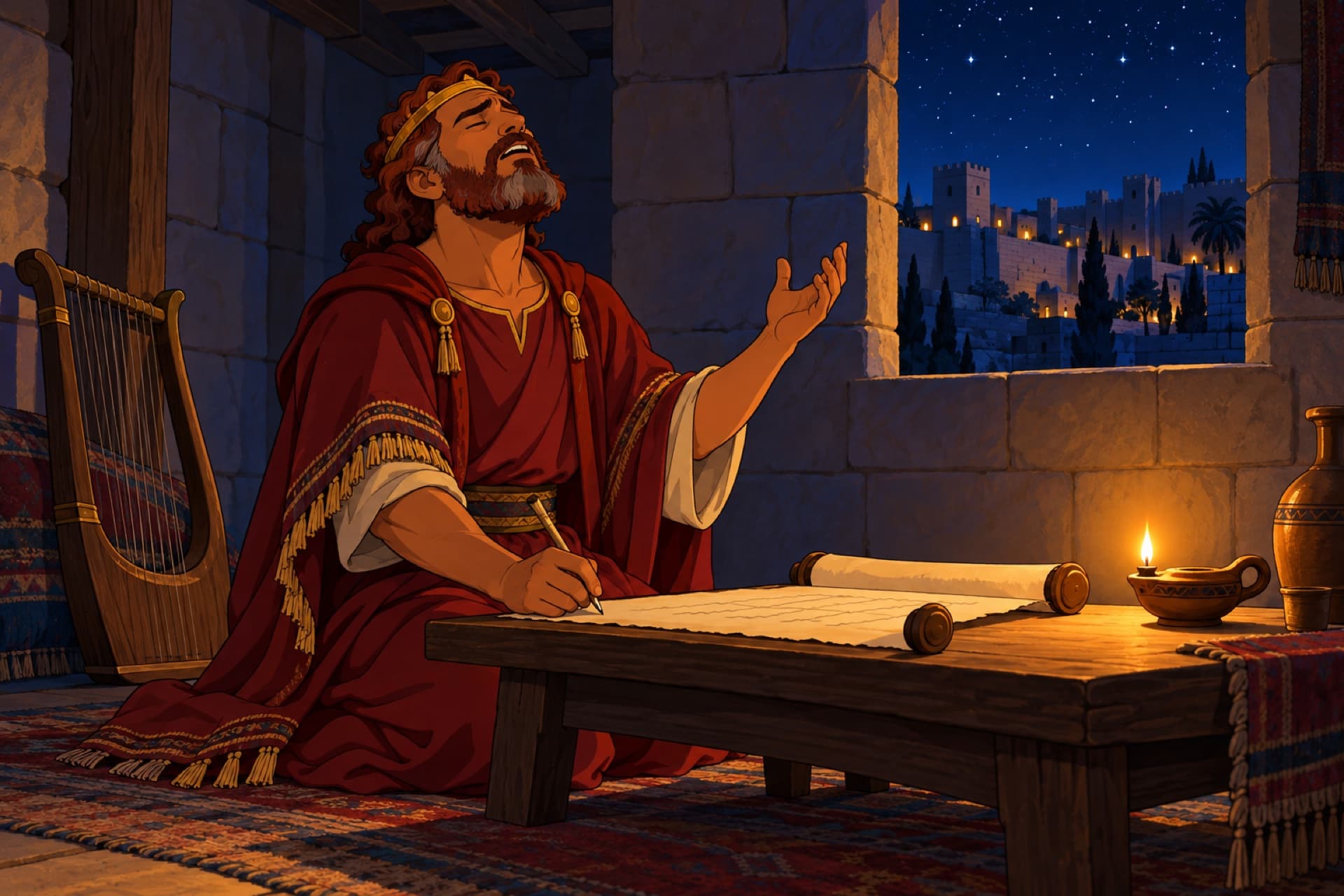
On the cross, Jesus cried out the first line of a psalm King David wrote a thousand years earlier: “My God, my God, why have you forsaken me?” (Psalm 22:1; Mark 15:34). Read the rest of that psalm, and it sounds like someone standing at the foot of the cross:
“All who see me mock me; they hurl insults, shaking their heads. “He trusts in the Lord,” they say, “let the Lord rescue him.””
Psalm 22:7–8
At the cross, the chief priests said it almost word for word: “He trusts in God. Let God rescue him now” (Matthew 27:43). The men who mocked him were speaking lines from the very psalm he cried out.
“They pierce my hands and my feet”
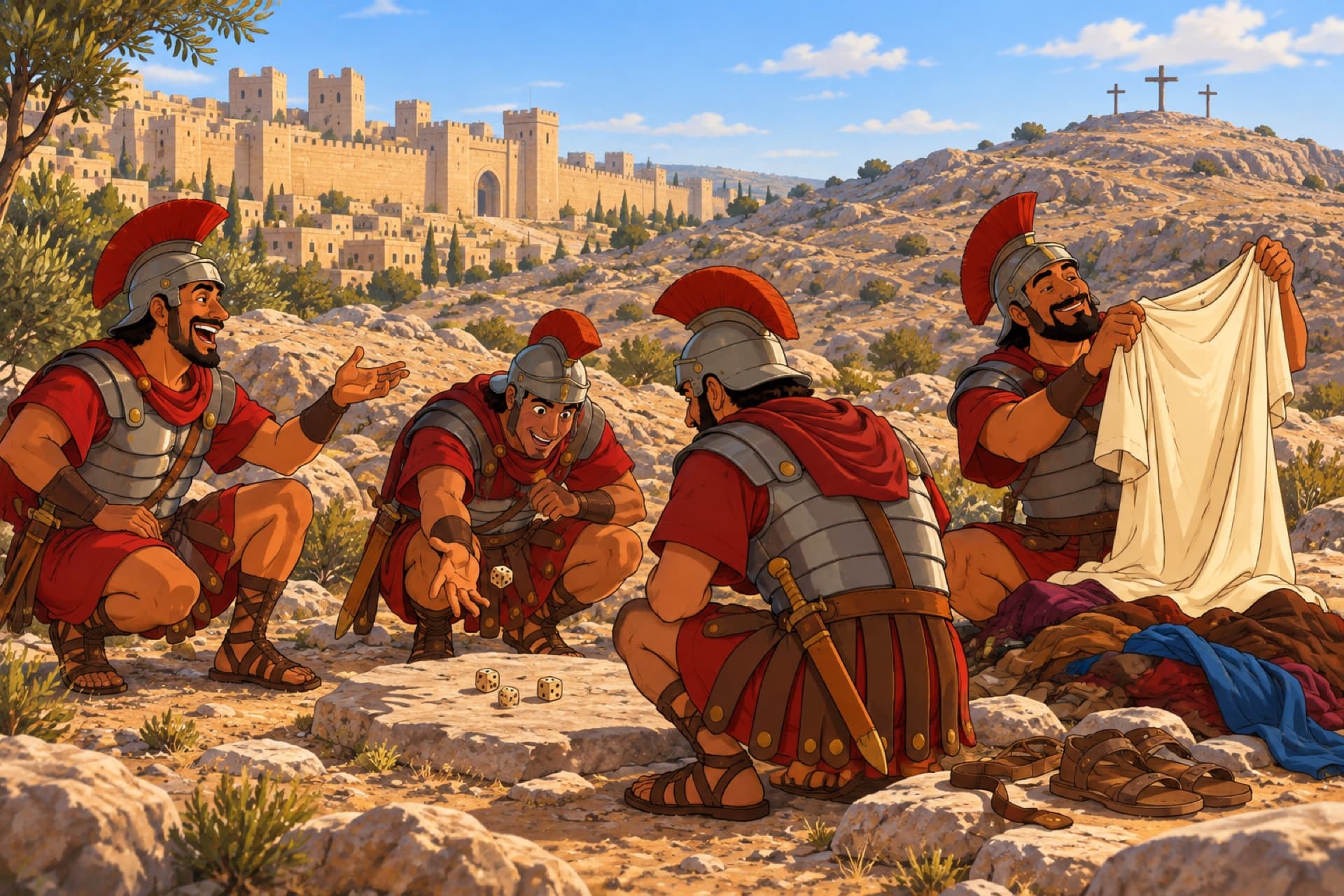
The psalm goes on: “They divide my clothes among them and cast lots for my garment” (Psalm 22:18). John says the soldiers did exactly that, and gambled for his seamless undergarment (John 19:23–24). And the psalm says, “they pierce my hands and my feet” (Psalm 22:16).
Some say “pierce” is a mistranslation, because most medieval Hebrew copies read “like a lion.” But the oldest Hebrew copy of the verse, found in a cave by the Dead Sea, and the ancient Greek translation both read a verb there. So the oldest witnesses read something done to him, not “like a lion.”
And another prophet, Zechariah, needs no footnote: “They will look on me, the one they have pierced” (Zechariah 12:10). John quotes it when the soldier's spear goes into Jesus's side (John 19:34–37).
Sources:Psalm 22:16–18John 19:23–24Psalm 22:16, with the NIV footnoteNET Bible, note on Psalm 22:16 (Nahal Hever and the Septuagint)Psalm 22Zechariah 12:10John 19:34–37
Isn't that about Israel?
The strongest objection is that Isaiah's servant is the nation of Israel. The medieval rabbi Rashi wrote:
“So is the custom of this prophet: he mentions all Israel as one man…”
Rashi on Isaiah 53:3, tr. A. J. Rosenberg (CC BY)
It's a serious answer, and Isaiah does call Israel God's servant (Isaiah 49:3). But this servant is innocent, “though he had done no violence, nor was any deceit in his mouth” (Isaiah 53:9). And he suffers for the people, not with them: “for the transgression of my people he was punished” (Isaiah 53:8).
The first Christians met that question on the road. An official from Ethiopia, reading this very poem in his chariot, asked, “Who is the prophet talking about, himself or someone else?” And “Philip began with that very passage of Scripture and told him the good news about Jesus” (Acts 8:34–35).

Sources:Rashi on Isaiah 53, tr. A. J. Rosenberg (Judaica Press, CC BY), on SefariaIsaiah 49:3Isaiah 53:8–9Acts 8:26–35
Written in later?
But didn't Christians just write the poem in later, to fit Jesus? In 1947, a shepherd near the Dead Sea climbed into a cave and found tall clay jars, stuffed with ancient scrolls. One of them is a complete copy of Isaiah, all sixty-six chapters, chapter fifty-three included. It was copied around 125 BC. Line up the dates:
- 700s BC: Isaiah preaches (Isaiah 1:1).
- About 125 BC: this copy is made, the Great Isaiah Scroll.
- About AD 30: Jesus is crucified.
Whoever you think the servant is, nobody can say the words were written after Jesus to fit his story. The words came first. And for centuries they were copied by Jewish scribes, most of whom never accepted the Christian reading.
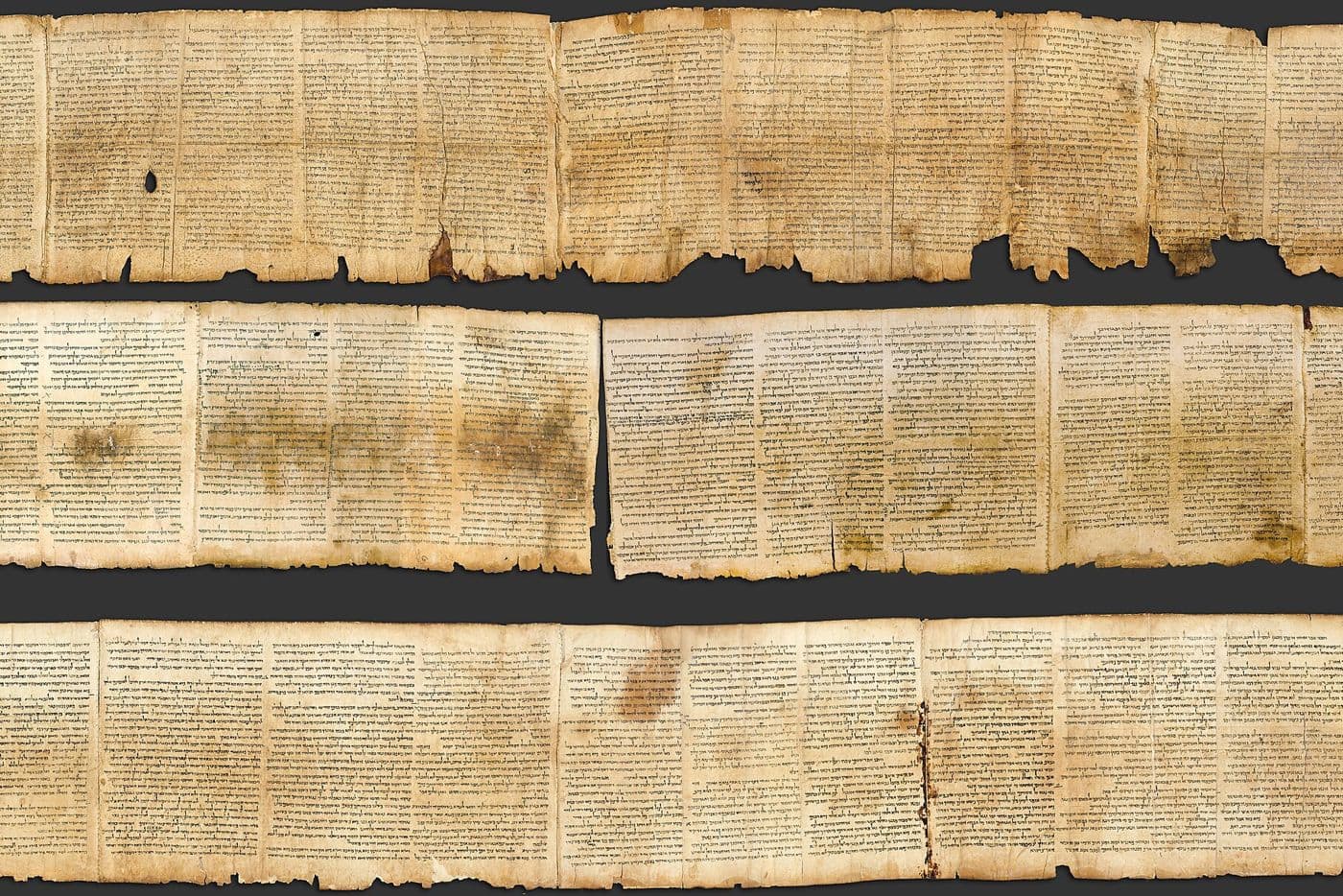
Sources:Dead Sea ScrollsGreat Isaiah Scroll (Israel Museum)Isaiah 1:1Masoretic Text
Nobody saw it coming
And this wasn't what anyone expected. Many hoped for a Messiah who would free Israel and drive out the Romans (Luke 24:21), not one killed by them. Paul admits a crucified Messiah was “a stumbling block to Jews” (1 Corinthians 1:23). Even Jesus's own friends missed it. When he told them he would be killed and rise again, “the disciples did not understand any of this” (Luke 18:34). Nobody was acting out a script.
They understood only after he rose. On the road to Emmaus, Jesus said to two of them, “Did not the Messiah have to suffer these things and then enter his glory?” (Luke 24:26). And “beginning with Moses and all the Prophets, he explained to them what was said in all the Scriptures concerning himself” (Luke 24:27).
Sources:Luke 24:211 Corinthians 1:18–25Luke 18:31–34Luke 24:25–27
Check yourself
Name two lines of Isaiah 53 that match the last days of Jesus.Show the answer
Any two: the servant “did not open his mouth,” and before Pilate Jesus made no reply; he “was numbered with the transgressors,” and Jesus was crucified between two rebels; he was “with the rich in his death,” and a rich man, Joseph of Arimathea, laid Jesus in his own new tomb.
Which psalm did Jesus quote on the cross, and what else in it happened there?Show the answer
Psalm 22: “My God, my God, why have you forsaken me?” The chief priests mocked him with almost the same words the psalm gives the mockers, and the soldiers cast lots for his clothes.
Is “they pierce my hands and my feet” a mistranslation?Show the answer
No. Most medieval Hebrew copies read “like a lion,” but the oldest Hebrew copy of the verse, found in a cave by the Dead Sea, and the ancient Greek translation both read a verb there.
If the servant is Israel, what in the poem doesn't fit?Show the answer
This servant is innocent, with no violence and no deceit in his mouth, and he suffers for the people, not with them: “for the transgression of my people he was punished” (Isaiah 53:8).
How do we know the poem wasn't written after Jesus to fit him?Show the answer
A complete copy of Isaiah, chapter 53 included, was found in a cave near the Dead Sea in 1947, and it was copied around 125 BC. The words came first.
Did Jesus's own disciples see it coming?Show the answer
No. When he told them he would be killed and rise again, “the disciples did not understand any of this” (Luke 18:34). They understood only after he rose and explained the Scriptures to them.
Why he came
So why would God's servant suffer like that? The poem says it plainly: “We all, like sheep, have gone astray, each of us has turned to our own way” (Isaiah 53:6). He was pierced for our wrongs, to bring us back. “By his wounds we are healed” (Isaiah 53:5).
And the poem doesn't leave him in the grave. The servant who died is alive, and the ones he brings back are his. So read the whole poem slowly this week, Isaiah 52:13 to 53:12, then Mark 15 beside it. Which line stops you?
Then talk to him. You could pray: Lord Jesus, you were pierced for me. I turn from my own way. I trust you, and I will follow you.