Did Israel's feasts point to Jesus?
Passover, Firstfruits, Pentecost
The short answer
Yes. God gave Israel seven feasts, and the biggest days of Jesus' life landed on the four spring feasts, in order, each on its day: by John's dating he died at Passover as the lambs were killed, lay in the tomb during Unleavened Bread, rose on Firstfruits, and sent the Spirit at Pentecost. His followers couldn't have set those dates. The feasts were shadows, and he is the one who cast them.
Follow the calendar from the hour the Passover lambs were killed to the Pentecost when about three thousand were added in a day.
Read · 6 min ↓The bigger question Jesus paid a ransom. Who got paid? →
▶ Watch the Short All the videos on YouTube★ Kids' lesson
A calendar of shadows
Jesus died at Passover, in the afternoon, at the hour the Passover lambs were being killed. Centuries before him, God gave Israel seven feasts, a calendar of holy days (Leviticus 23).
Paul called Israel's feasts “a shadow of the things that were to come; the reality, however, is found in Christ” (Colossians 2:17). A shadow isn't a prophecy in words. It's a shape cast ahead of something real. Leviticus lists seven, four in the spring and three in the fall:
Spring: Nisan
- Passover: the 14th (Leviticus 23:5)
- Unleavened Bread: the 15th to the 21st (Leviticus 23:6)
- Firstfruits: the day after the Sabbath (Leviticus 23:11)
- Pentecost: fifty days later (Leviticus 23:16)
Fall: Tishri
- Trumpets: the 1st (Leviticus 23:24)
- The Day of Atonement: the 10th (Leviticus 23:27)
- Tabernacles: the 15th to the 21st (Leviticus 23:34)
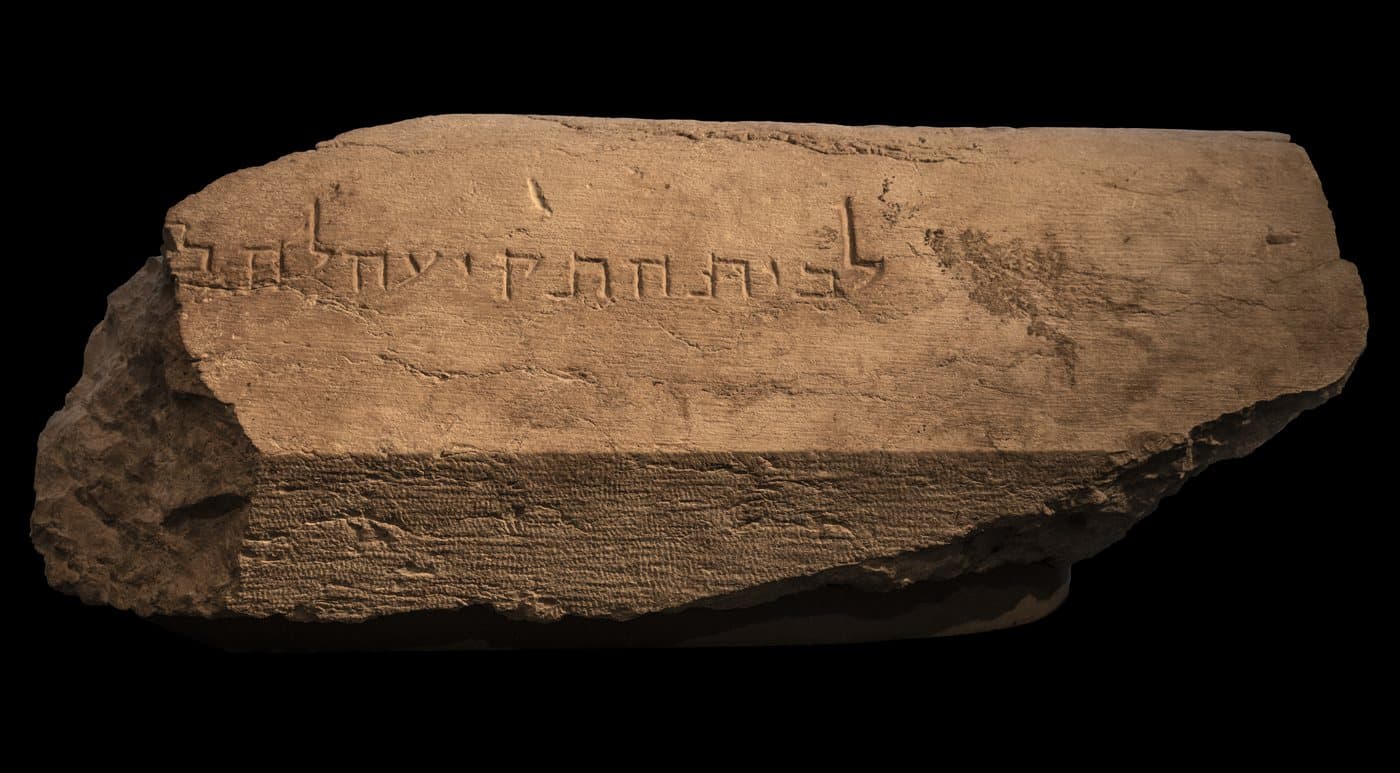
Sources:Leviticus 23Mark 14:12Colossians 2:16–17Leviticus 23:4–43
Passover, at the hour of the lambs
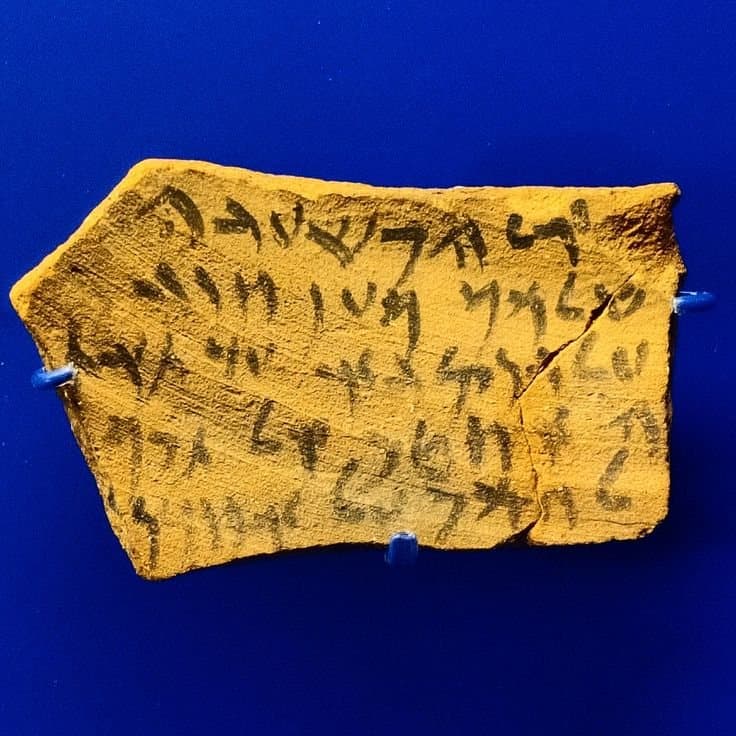
The night God set Israel free from slavery in Egypt, every family took a lamb “without defect” and painted its blood on the doorframe. God said, “When I see the blood, I will pass over you” (Exodus 12:13). The lamb's blood saved them from death, and that night they walked out free.
Jesus was crucified at Passover. His enemies didn't want that: “But not during the festival,” they said, “or the people may riot” (Mark 14:2). John says it was “the day of Preparation of the Passover” (John 19:14). And the Jewish historian Josephus records when the Passover lambs were killed:
- Three in the afternoon Jesus cries out, and soon breathes his last (Mark 15:34–37)
- From the ninth hour till the eleventh The lambs are killed (Josephus)
“…upon the coming of that feast which is called the Passover, when they slay their sacrifices, from the ninth hour till the eleventh…”
Josephus, Jewish War 6.423, tr. Whiston
Sources:Exodus 12:5–14Mark 14:1–2John 19:14Mark 15:33–37Josephus, Jewish War 6.9.3 (6.423), tr. Whiston
Not one bone broken
The Law said of the Passover lamb, “Do not break any of the bones” (Exodus 12:46). And John says of Jesus, whose legs the soldiers didn't break, “Not one of his bones will be broken” (John 19:36).
Paul put it plainly: “Christ, our Passover lamb, has been sacrificed” (1 Corinthians 5:7).
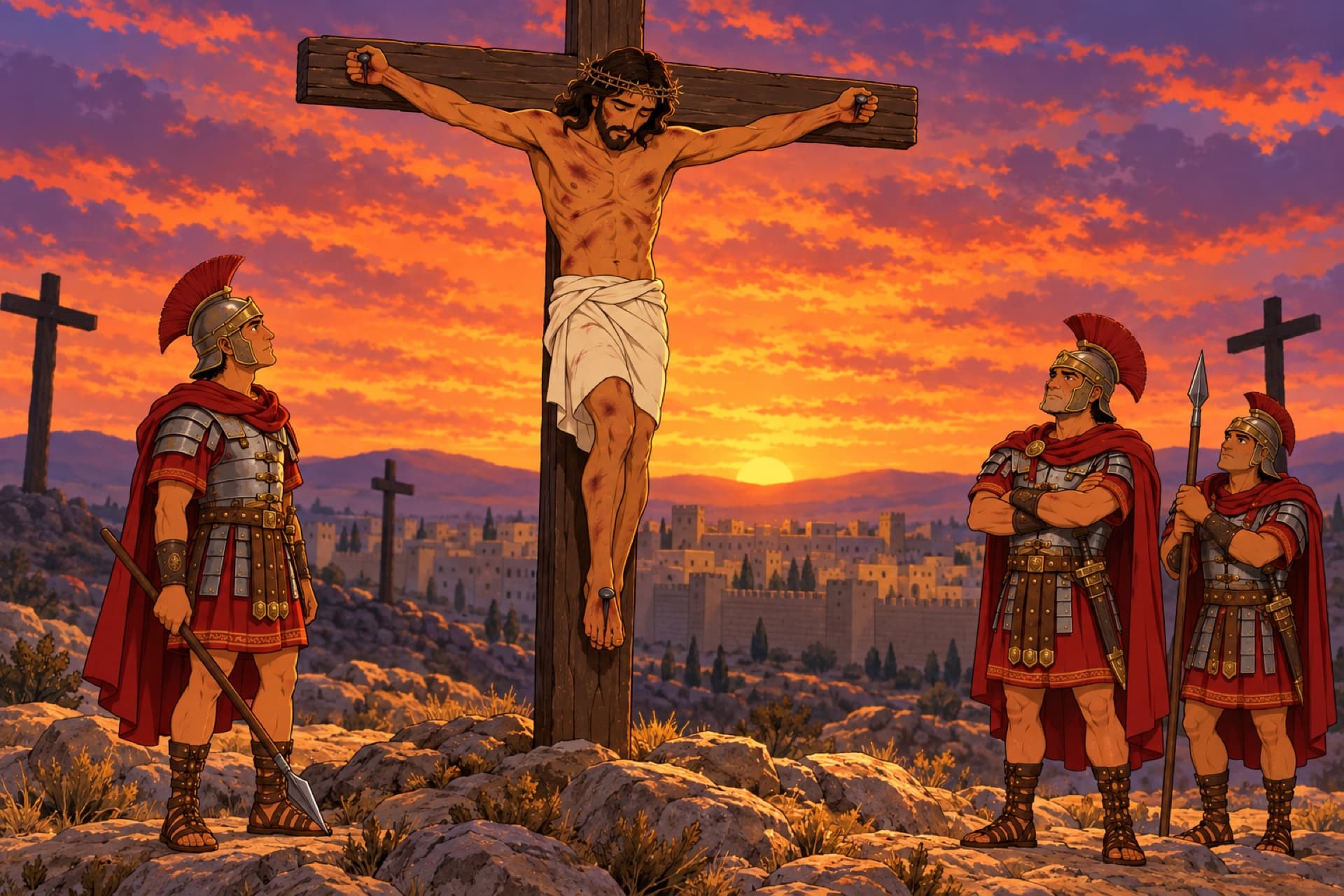
In the tomb, then the firstfruits
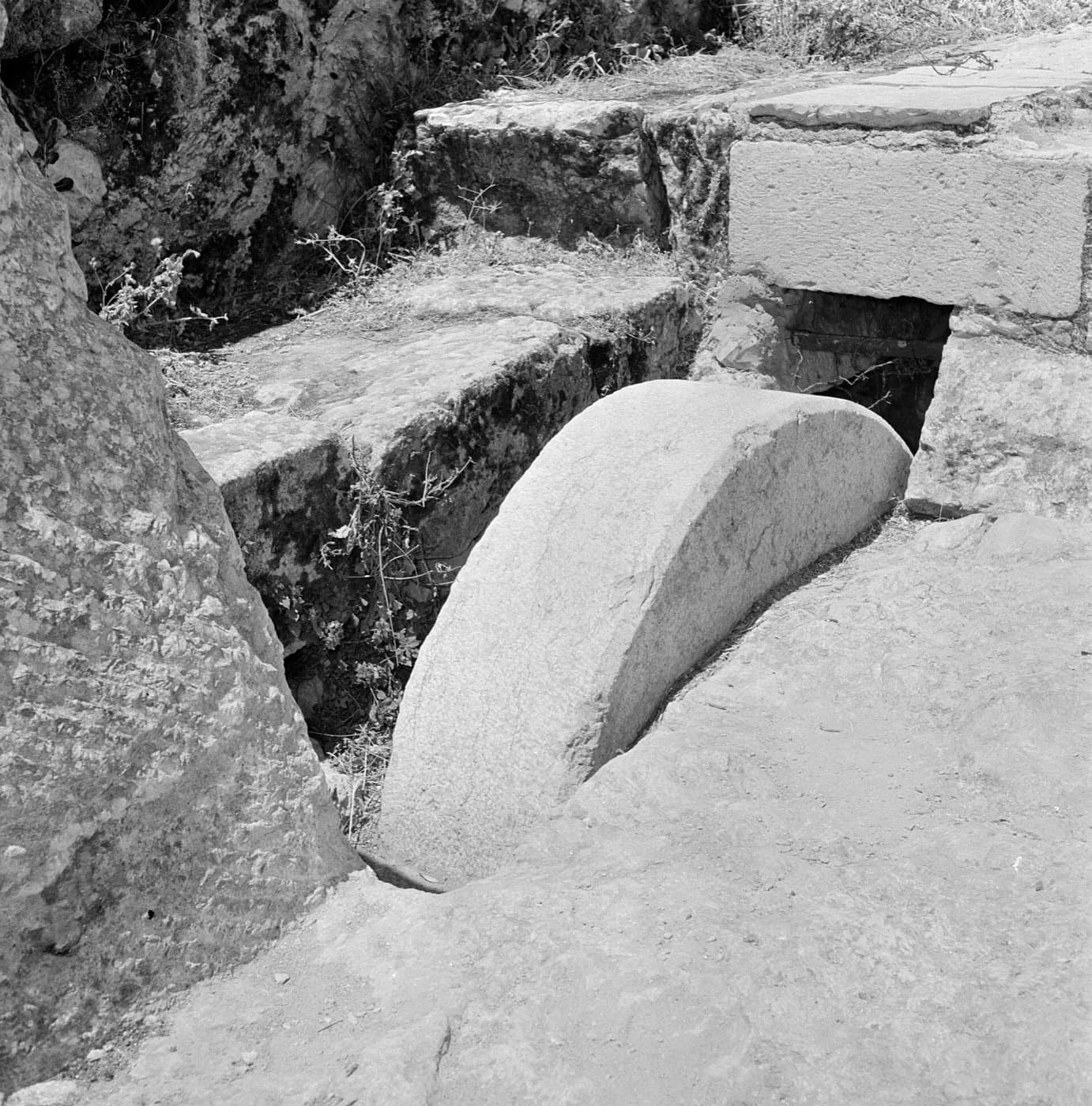
The next day began the Festival of Unleavened Bread: seven days of bread made without yeast (Leviticus 23:6). Yeast, working through the whole batch of dough, became a picture of sin. That week, the sinless one lay in the tomb, and God would not let his “holy one see decay” (Acts 2:27). Paul tells Christians to keep the feast “with the unleavened bread of sincerity and truth” (1 Corinthians 5:8).
Then Firstfruits. At harvest, the priest waved the first sheaf of grain before God “on the day after the Sabbath” (Leviticus 23:11). It was the first of the crop, a promise that the rest was coming. Jesus lay in the tomb on the Sabbath and rose on the day after (Mark 16:1–6). Paul says it in the feast's own word:
“But Christ has indeed been raised from the dead, the firstfruits of those who have fallen asleep.”
1 Corinthians 15:20
Sources:Leviticus 23:61 Corinthians 5:6–8Matthew 27:57–60Acts 2:27Leviticus 23:10–11Mark 16:1–61 Corinthians 15:20
Pentecost: about three thousand
Fifty days later came the Feast of Weeks, Pentecost (Leviticus 23:16). Jewish tradition ties it to Sinai, where God gave the Law: the rabbis call it “the day on which the Torah was given.” At Sinai, when the people worshiped a golden calf, “about three thousand of the people died” (Exodus 32:28).
On the Pentecost after the resurrection, God poured out his Spirit in Jerusalem, and “about three thousand were added to their number that day” (Acts 2:41). Paul put it this way: “The letter kills, but the Spirit gives life” (2 Corinthians 3:6).
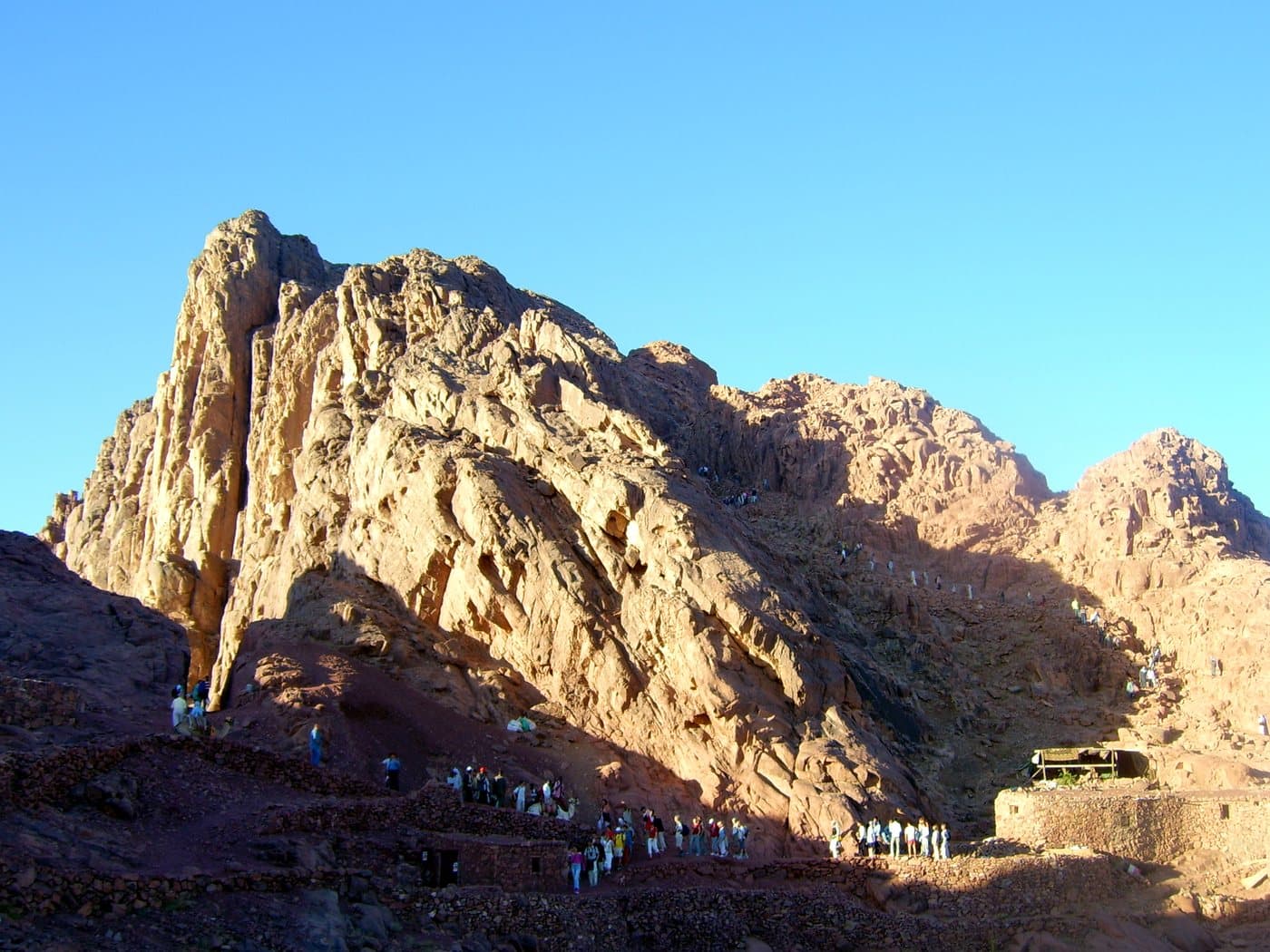
Sources:Leviticus 23:15–16Talmud, Pesachim 68b, William Davidson translation (Sefaria)Exodus 32:28Acts 2:1–412 Corinthians 3:6
Four in a row
One match could be chance. Four in a row is a pattern:
- 14 NisanPassoverHe dies as the lambs are killed.
- 15 NisanUnleavened BreadHe lies in the tomb.
- The day after the SabbathFirstfruitsHe rises.
- Fifty days laterPentecostThe Spirit comes.
Could his followers have staged it? They could bring him to Jerusalem for Passover. They couldn't set the hour of a Roman execution, the morning the tomb was found empty, or the day the Spirit came. The priests wanted to keep it away from the feast, and a Roman governor gave the order. These are shadows, not a script anyone could act out.
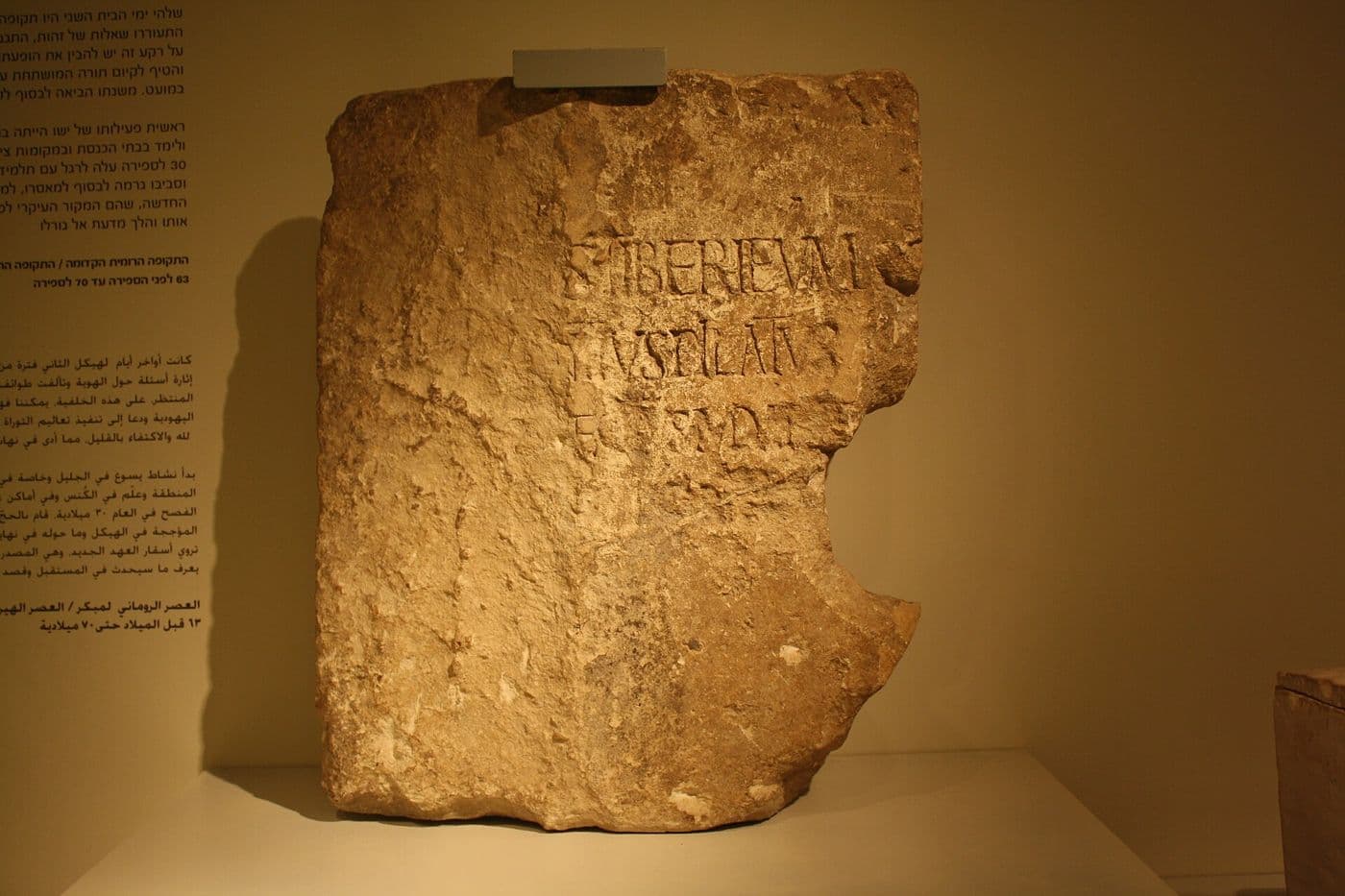
Sources:Leviticus 23:4–16John 19:14, 31Mark 15:34–37Mark 16:1–2Acts 2:1–4Mark 14:1–2Mark 15:1–15
The fall feasts: the hope
The three fall feasts haven't been filled the same way yet, and Christians have long seen in them the hope of his return. The Feast of Trumpets was “commemorated with trumpet blasts” (Leviticus 23:24). Jesus said he will send his angels “with a loud trumpet call” (Matthew 24:31), and Paul says the Lord himself will come down “with the trumpet call of God” (1 Thessalonians 4:16).
- The 1st of TishriTrumpets“With a loud trumpet call” (Matthew 24:31)
- The 10th of TishriThe Day of Atonement“He will appear a second time” (Hebrews 9:28)
- The 15th to the 21st of TishriTabernacles“He will dwell with them” (Revelation 21:3)
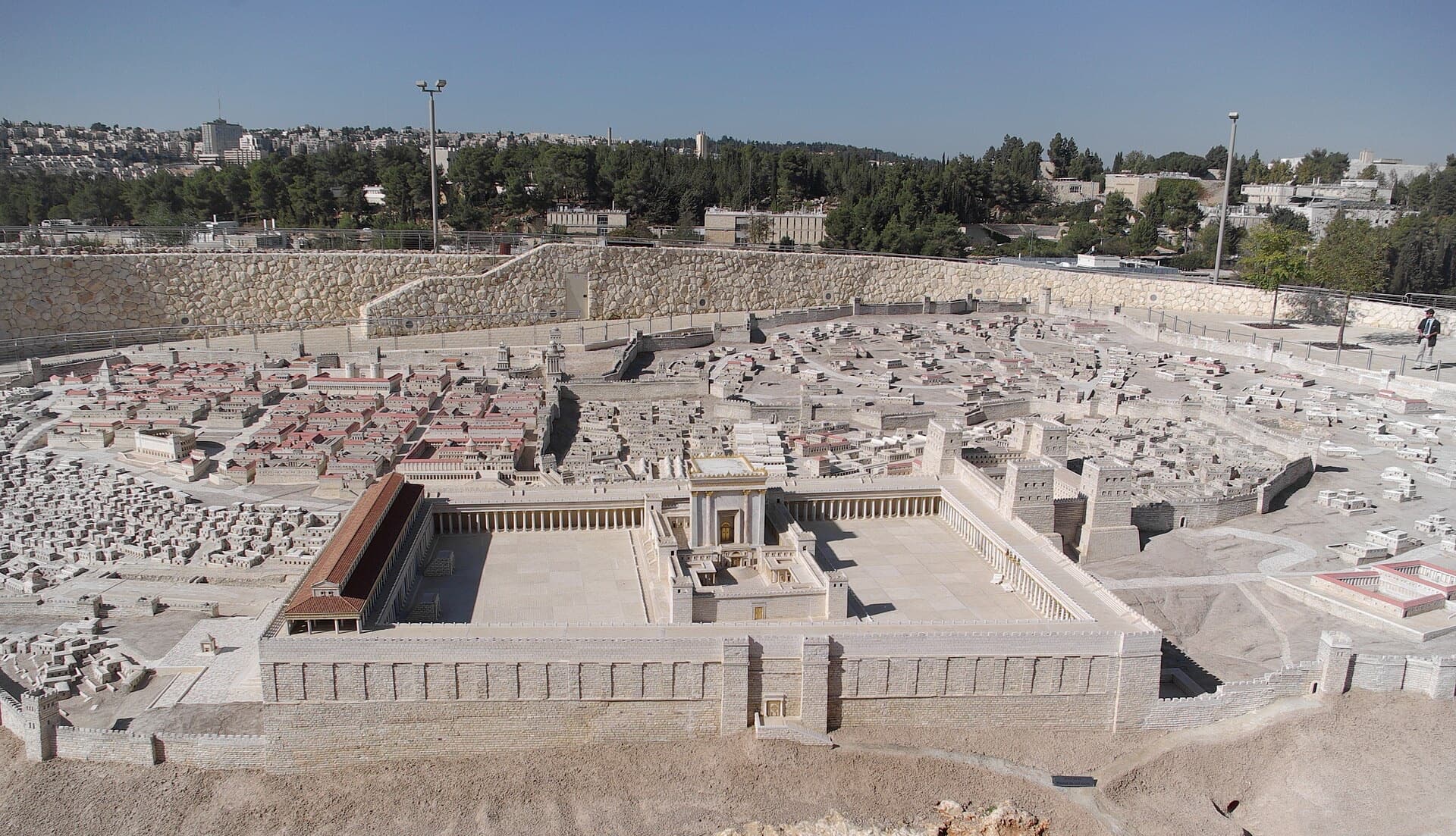
On the Day of Atonement, once a year, the high priest went behind the curtain into the Most Holy Place with blood. Hebrews says Jesus “entered heaven itself, now to appear for us in God's presence” (Hebrews 9:24), and “he will appear a second time, not to bear sin, but to bring salvation to those who are waiting for him” (Hebrews 9:28).
At Tabernacles, families lived in shelters for a week. John says that when Jesus came, he “made his dwelling among us” (John 1:14); the Greek word means he pitched his tent. On the last day of that very feast, Jesus stood up and called out, “Let anyone who is thirsty come to me and drink” (John 7:37). And the Bible ends with this promise: “God's dwelling place is now among the people, and he will dwell with them” (Revelation 21:3).
Sources:Leviticus 23:23–25Matthew 24:30–311 Thessalonians 4:16–17Leviticus 16:12–16Hebrews 9:24Leviticus 16:21–22Hebrews 9:28Leviticus 23:33–43John 1:14Thayer's Greek lexicon, σκηνόω (Blue Letter Bible)John 7:2, 37–38Revelation 21:3
Older shadows
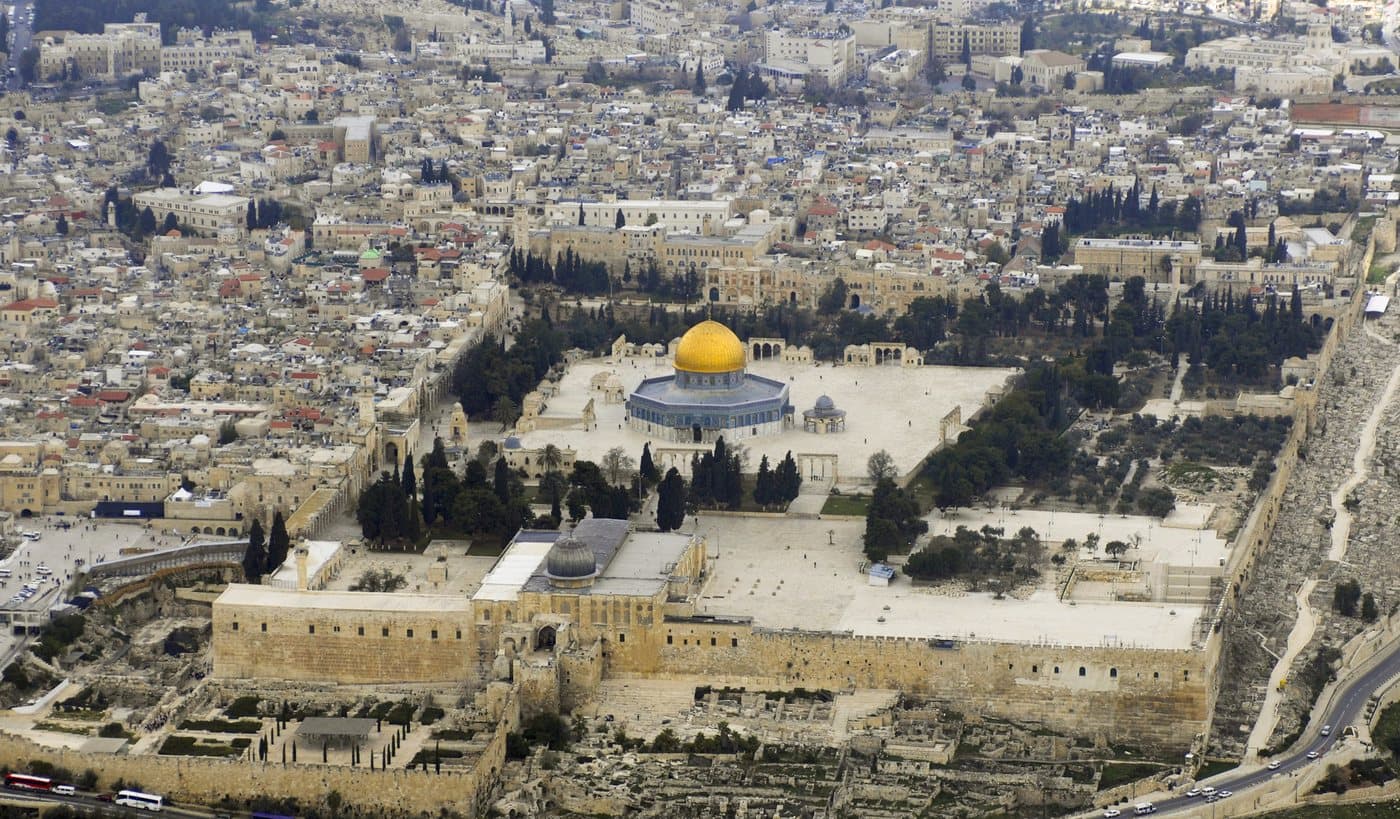
The feasts aren't the only shadows. Long before Moses, God told Abraham to take his son Isaac to “the region of Moriah” (Genesis 22:2). On the way up, Isaac asked where the lamb was. Abraham said, “God himself will provide the lamb” (Genesis 22:8). God stopped Abraham's hand and gave a ram instead, and Abraham named the place The Lord Will Provide. To this day it is said, “On the mountain of the Lord it will be provided” (Genesis 22:14). Centuries later, the Temple was built in Jerusalem “on Mount Moriah” (2 Chronicles 3:1).
- Genesis 22The lamb on Moriah“God himself will provide the lamb.” The Temple rose “on Mount Moriah” (2 Chronicles 3:1).
- Numbers 21The bronze snake“So the Son of Man must be lifted up” (John 3:14).
- JonahThree days and three nights“So the Son of Man will be three days and three nights in the heart of the earth” (Matthew 12:40).
When snakes struck Israel in the wilderness, Moses lifted a bronze snake on a pole, and “anyone who is bitten can look at it and live” (Numbers 21:8). Jesus said, “Just as Moses lifted up the snake in the wilderness, so the Son of Man must be lifted up” (John 3:14). And he named his own sign: “As Jonah was three days and three nights in the belly of a huge fish, so the Son of Man will be three days and three nights in the heart of the earth” (Matthew 12:40). He told them ahead of time.
After he rose, on the road to Emmaus, “beginning with Moses and all the Prophets, he explained to them what was said in all the Scriptures concerning himself” (Luke 24:27). The feasts, the lamb, the mountain, the pole: all of it was pointing at him.
Sources:Genesis 22:1–142 Chronicles 3:1Numbers 21:4–9John 3:14–15Matthew 12:38–40Luke 24:25–27
Your Passover lamb
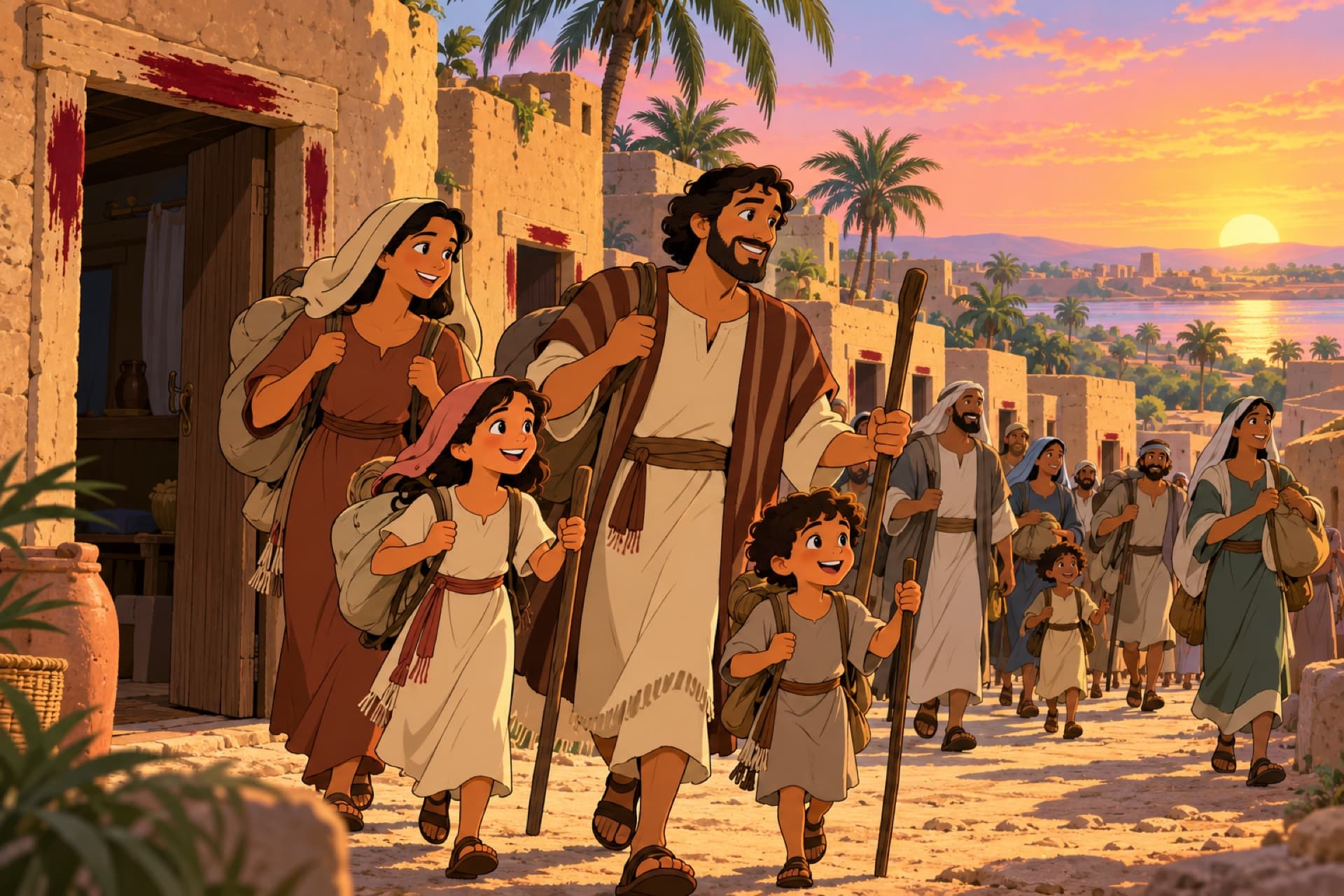
At the first Passover, the lamb's blood on the door meant death passed over, and the family walked out free (Exodus 12:13).
Jesus came to be that for you: he gave his life as a ransom to set you free from sin and death, for good (Mark 10:45). Paul calls him “our Passover lamb” (1 Corinthians 5:7).
You could pray: Lord Jesus, you are my Passover lamb. You died and rose to set me free. I turn from my sin. I trust you, and I will follow you.
Sources:Exodus 12:13Mark 10:451 Corinthians 5:71 Peter 1:18–19
Or go straight to the bigger question Jesus paid a ransom. Who got paid? →