
Are the Gospels historically reliable?
Archaeology and the manuscripts
A 6-minute video▶ Watch the one-minute ShortWatch the whole series on YouTube
The short answer
The Gospel writers told their story where anyone could check it. They name governors, priests, and pools, and the ground keeps turning them up. Their words were copied so many times that we can check those line by line too.
Names anyone could check
If you were making up a story, you'd keep it vague: no names, no dates, nothing anyone could check. The Gospels do the opposite. They name the governor, the high priest, even the pool where a blind man washed.
Luke, a doctor who traveled with Paul, says he wrote that way on purpose. He had “carefully investigated everything from the beginning,” and he wrote “so that you may know the certainty of the things you have been taught.” So let's check his work.
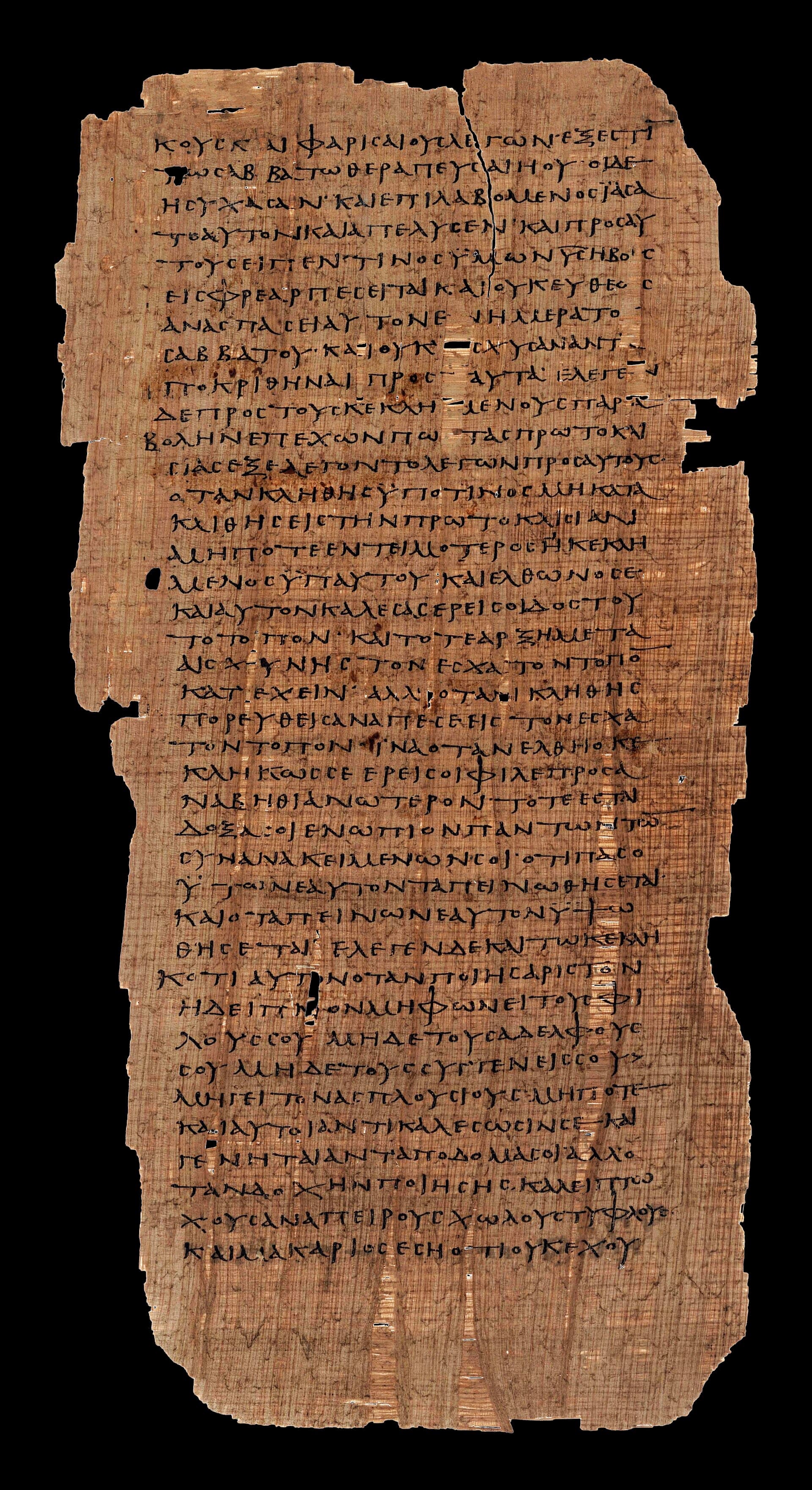
The governor's name in stone
For centuries, Pilate was known only from old writings. Then, in 1961, archaeologists digging in an ancient theater at Caesarea, on Israel's coast, turned over a limestone block. Carved into it were Pilate's name and his title, “Prefect of Judea.” The stone comes from Pilate's own lifetime.
Luke had dated John the Baptist's preaching to the time “when Pontius Pilate was governor of Judea.” Pilate is one of thirty New Testament people confirmed by ancient historians and inscriptions, by the count of Lawrence Mykytiuk at Purdue University. The telling ones aren't emperors, whom anyone could name. They're the minor officials the writers mention in passing.
Sources:The Pilate StoneLuke 3:1Mykytiuk, “New Testament Political Figures: The Evidence” (Biblical Archaeology Society)
The high priest, the proconsul, and the tetrarch
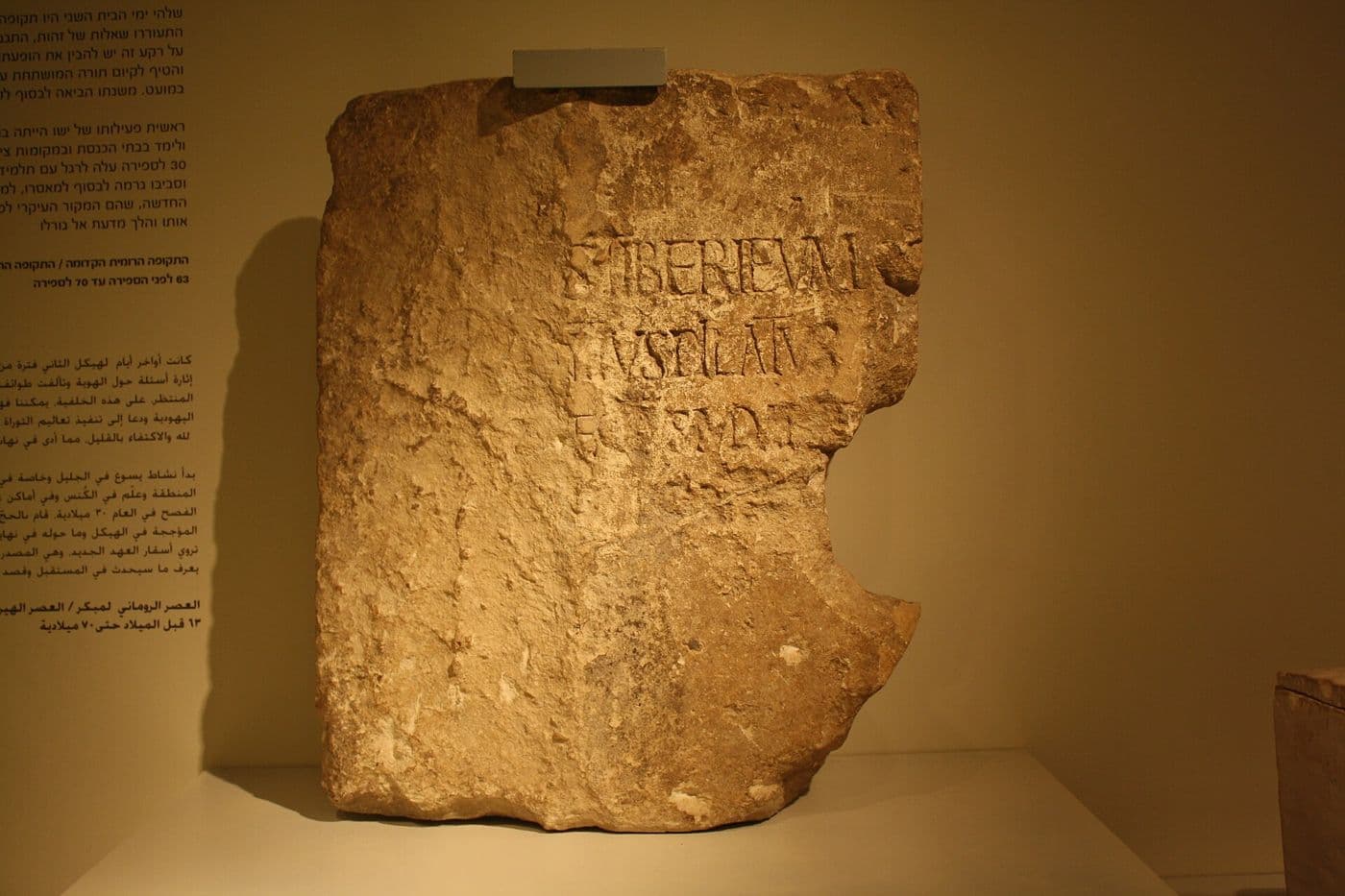
John calls the high priest “Caiaphas, who was high priest that year.” In 1990, workers in Jerusalem broke into a family tomb and found a bone box carved “Joseph son of Caiaphas.” Josephus gives the high priest's full name: “Joseph, who was also called Caiaphas.” Many scholars think the box is his.
Gallio, the governor who threw a case against Paul out of court, gets one scene in Acts. A letter from Emperor Claudius, carved in stone at Delphi, names him as proconsul, and dates Paul's time in Corinth to about AD 51.
Paul mentions a man once, at the end of a letter: “Erastus, who is the city's director of public works.” In 1929, excavators at Corinth found a paving stone carved, “Erastus, in return for his aedileship, laid this pavement at his own expense.” An aedile ran a Roman city's streets and public buildings. Scholars debate whether it's the same man, so he isn't one of Mykytiuk's thirty. But it's the right name, the right city, the right era, and the right kind of job.
Luke even names a minor ruler: “Lysanias tetrarch of Abilene.” Critics called that a mistake, because the only Lysanias they knew had been executed about sixty years earlier. Then an inscription turned up at Abila, set up by “Nymphaeus… freedman of Lysanias the tetrarch.” It points to a second, later Lysanias, just as Luke has it.
Sources:John 11:49The Caiaphas ossuaryJosephus, Antiquities 18.95, tr. WhistonActs 18:12–17The Gallio inscriptionRomans 16:23Erastus of CorinthLysaniasThe Abila inscription (Lysanias)
The skeptic who checked Luke
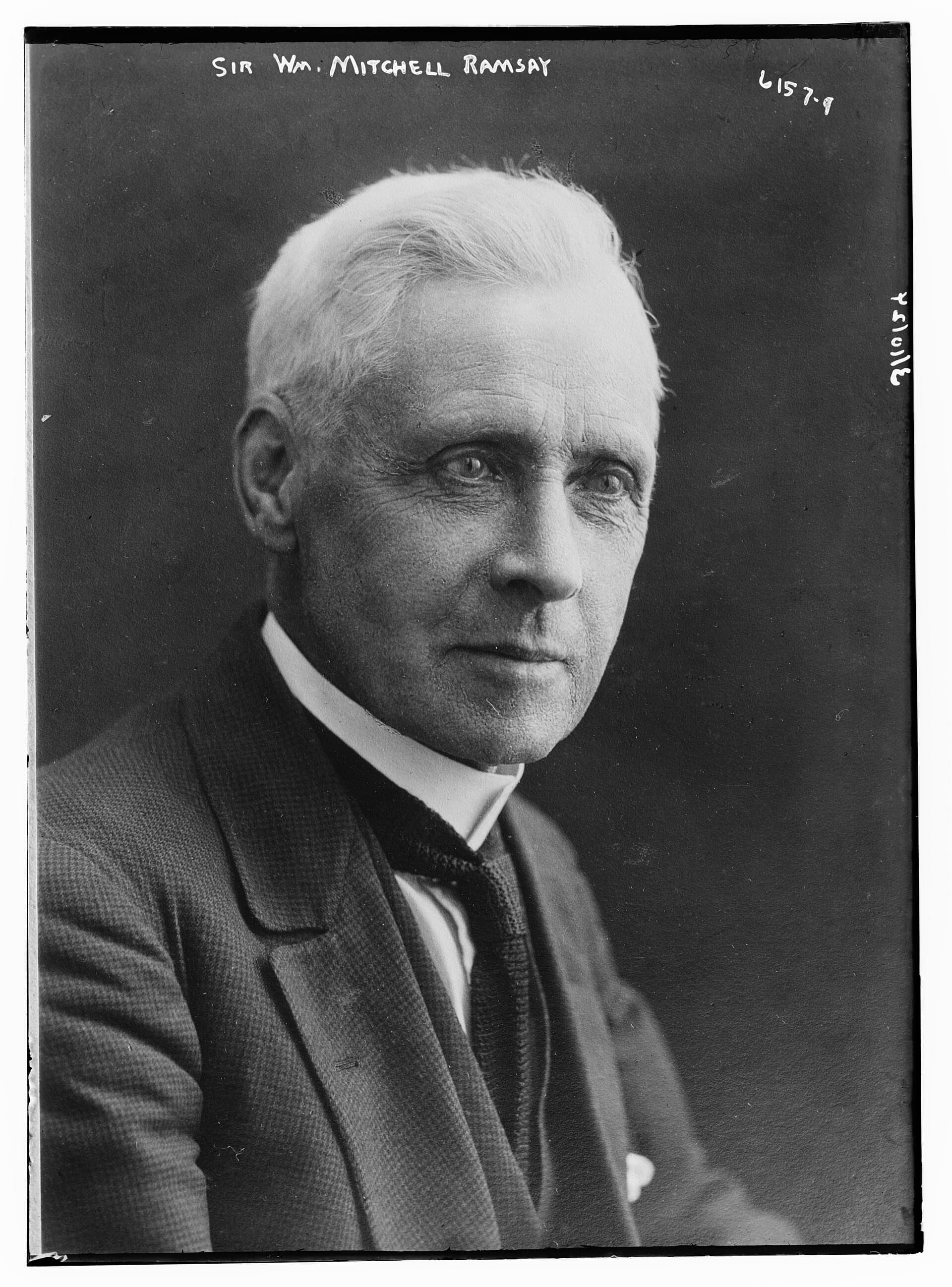
Sir William Ramsay, a Scottish archaeologist, spent years mapping Asia Minor with the book of Acts in hand, sure it was a late book. He wrote, “I began with a mind unfavourable to it.”
But “it was gradually borne in upon me that in various details the narrative showed marvellous truth.” In the end he ranked Luke “along with the very greatest of historians.”
Sources:Ramsay, St. Paul the Traveller and the Roman Citizen (1895), ch. 1Ramsay, The Bearing of Recent Discovery on the Trustworthiness of the New Testament (1915), ch. 18
Places that turned up, and details that fit
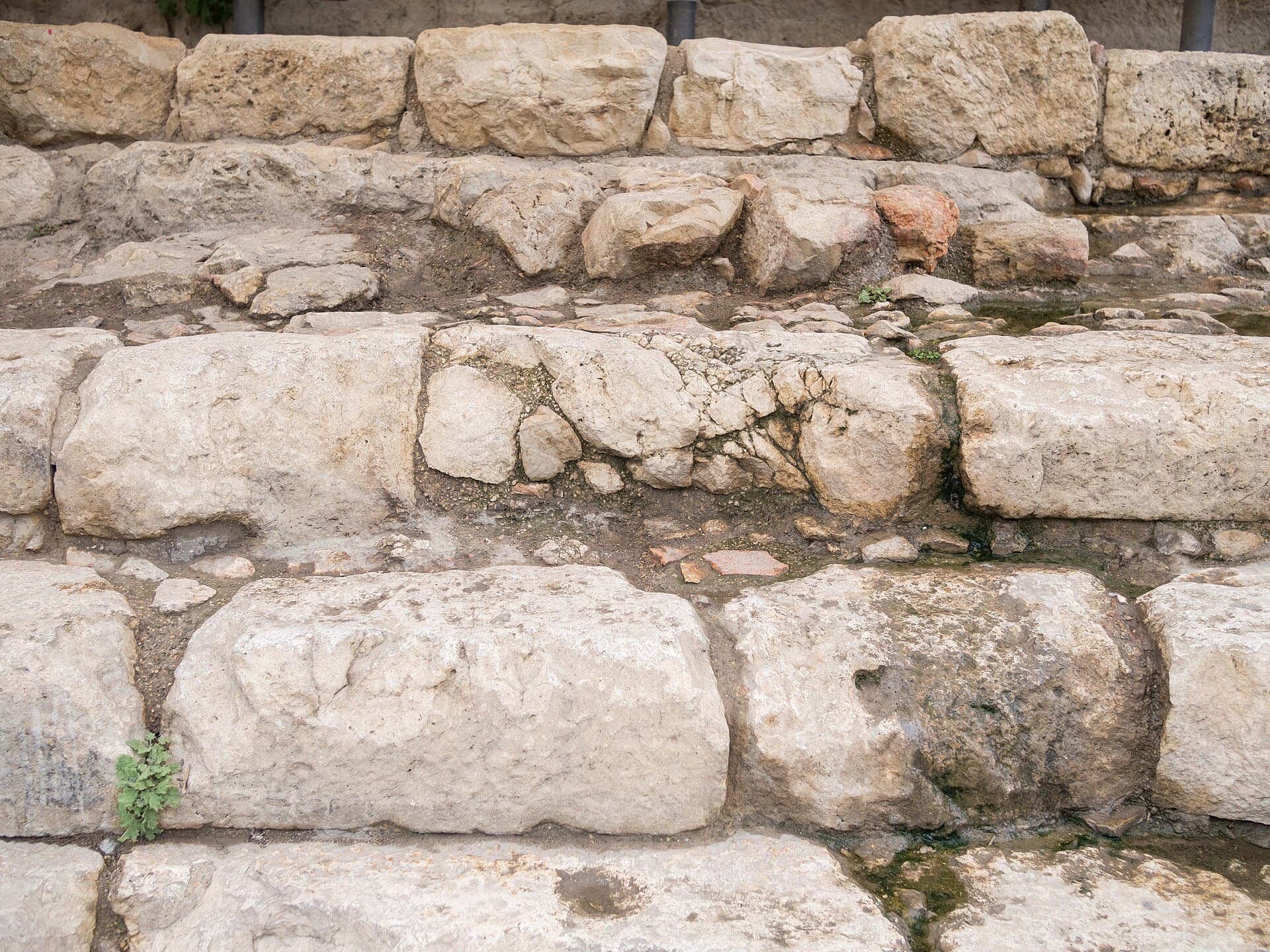
John says Jesus told a blind man, “wash in the Pool of Siloam.” In 2004, workers digging a sewer in Jerusalem uncovered the pool's broad stone steps. John also describes a pool “called Bethesda,” “surrounded by five covered colonnades.” Excavations since the 1800s have uncovered two large pools with colonnades, right where John puts it.
Some details only show when you lay two Gospels side by side. In John, before feeding the five thousand, Jesus asks Philip, “Where shall we buy bread for these people to eat?” Why Philip? John says elsewhere he “was from the town of Bethsaida.” Luke never mentions Philip, but puts the miracle near “a town called Bethsaida.” Jesus asked the local.
“But historical novels get details right too.” A novelist can look things up. Names are harder: in Judea, about one Jewish man in six was named Simon or Joseph, and the Gospels and Acts come close. A 2024 study found their names fit as well as Josephus's do, and better than ancient novels or modern historical fiction.
Sources:John 9:7The Pool of SiloamJohn 5:2The Pool of BethesdaJohn 6:5 · John 1:44 · Luke 9:10Van de Weghe and Wilson, “Why Name Popularity is a Good Test of Historicity” (2024)
Were the words kept?
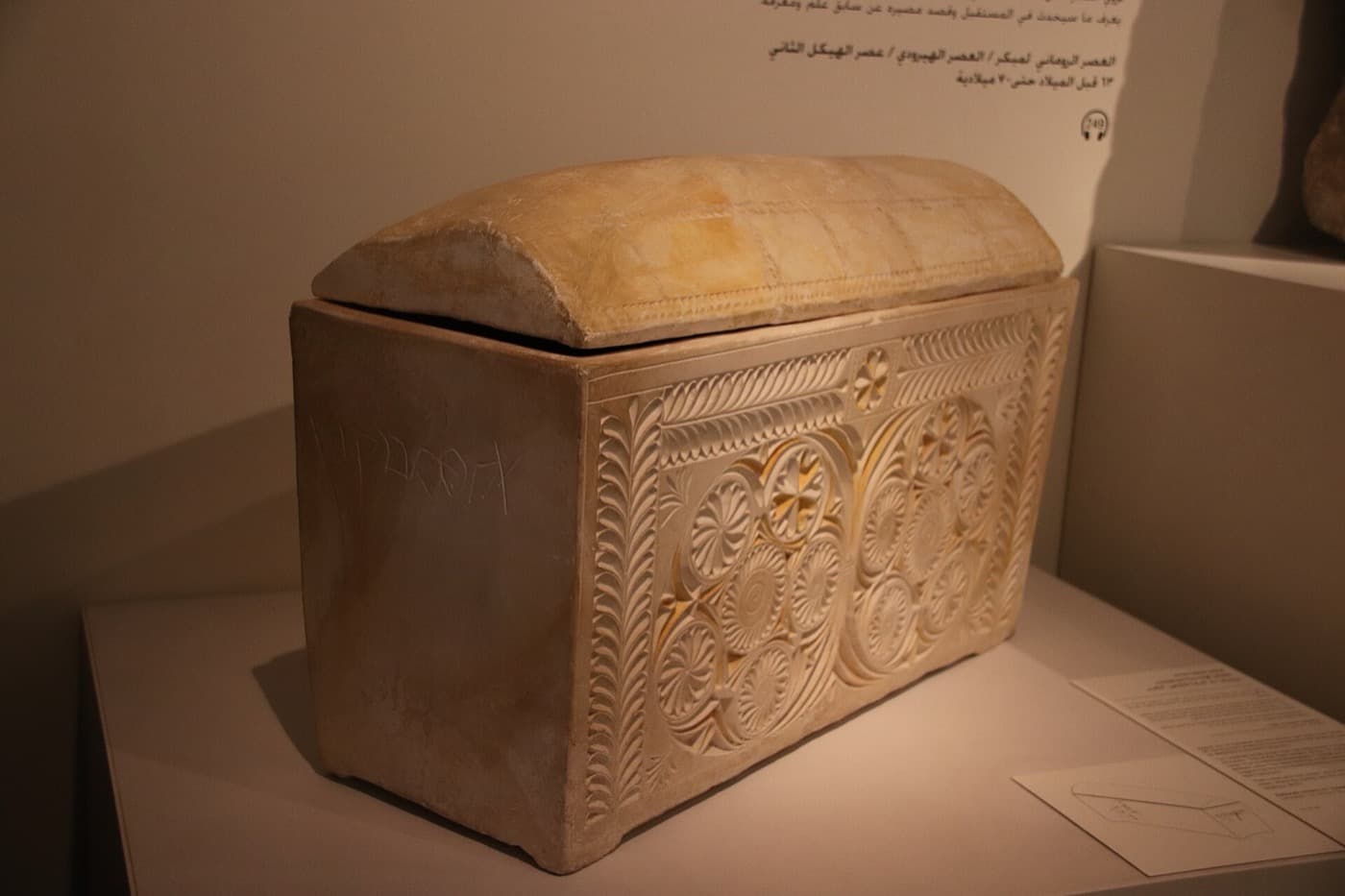
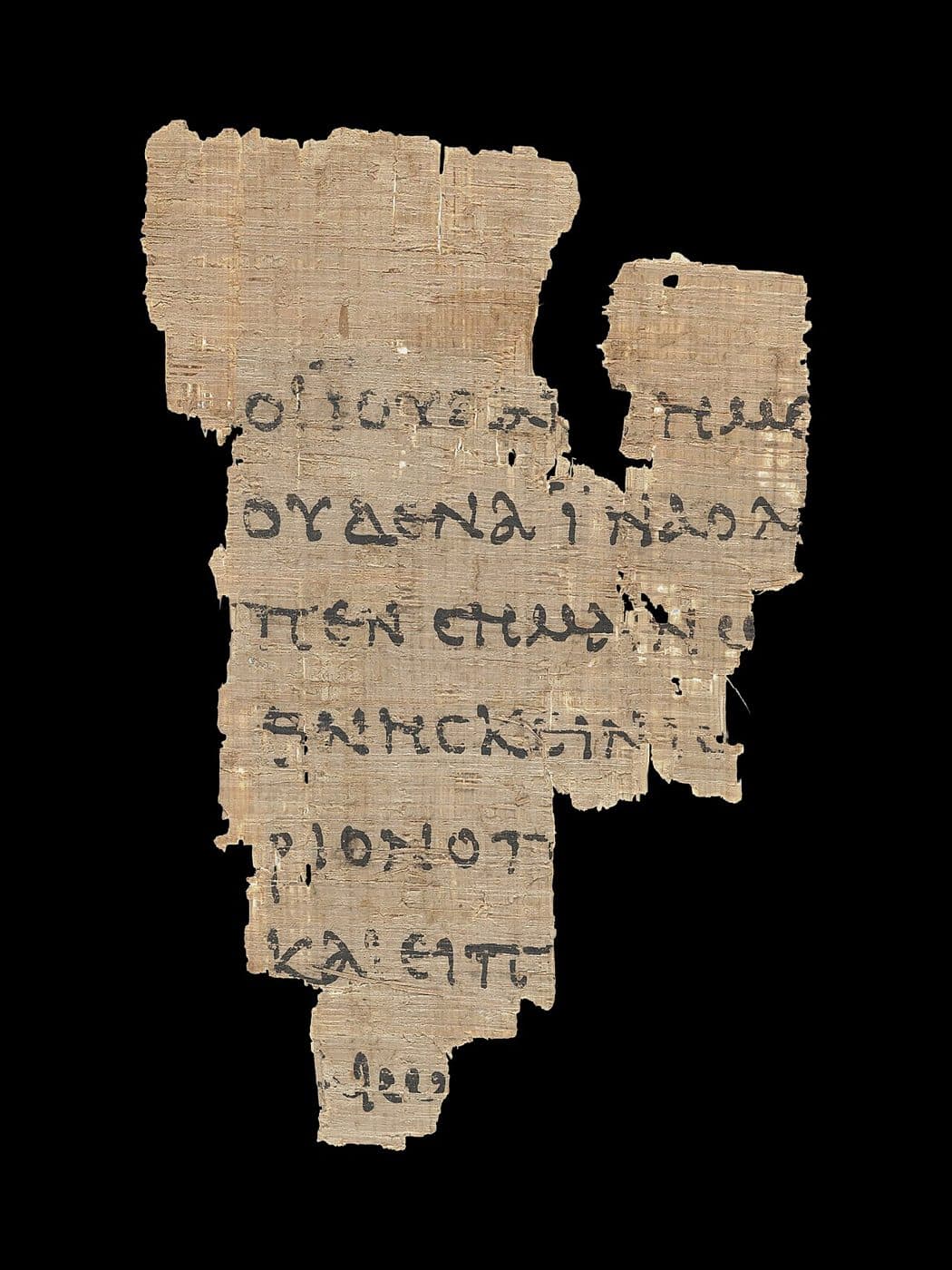
Maybe the story changed in the copying. Nobody has the original of any ancient book, only copies. Tacitus's major works come down to us mainly through two medieval manuscripts. The New Testament has more than 5,800 in Greek, plus about 10,000 in Latin, and they're closer to the originals: our oldest copy of Tacitus on Christus was made more than nine hundred years after he wrote, while Papyrus 52, a scrap of John, is usually dated within about a century. More copies don't prove the events happened. They do mean we know what the writers actually wrote.
No two handwritten copies match exactly, and Bart Ehrman counts hundreds of thousands of differences. So line them up. Say three scribes copy Mark 16:6, “You are looking for Jesus the Nazarene, who was crucified. He has risen! He is not here.” One misspells “Nazarene” and writes “not” twice. One writes “Christ” for “Jesus.” One drops a word, then his eye jumps from one “He” to the next and he loses “He has risen!” Scribes rarely slipped in the same place, so side by side, every slip is outvoted.
Real scholars do more than count heads: they weigh which copies are oldest and which families they belong to. Most differences are spelling and word order. The few that change the meaning are well known, and many Bibles print them in the footnotes. In Romans 5:1, did Paul write “we have peace with God” or “let us have peace”? In Greek, one letter decides it. Ehrman studied under Bruce Metzger, a committed Christian. How far apart would the two of them be on the original words?
“There would be very few points of disagreement—maybe one or two dozen places out of many thousands.”
Bart Ehrman, Misquoting Jesus
Ehrman also says his work doesn't stand against Metzger's view that the variants leave the essential Christian beliefs untouched. The words weren't lost in the copying. What Mark wrote is what you can read today: “He has risen! He is not here.”
Sources:How Tacitus survivesTextual criticism of the New TestamentPapyrus 52Ehrman, Misquoting Jesus (paperback), pp. 252–253Ehrman: “Do textual variants really matter for anything?”Mark 16:6Romans 5:1 and its footnoteVerbrugge on Romans 5:1, one letter apart (JETS, 2011)
Check yourself
What did archaeologists find at Caesarea in 1961?Show the answer
A limestone block carved with Pontius Pilate's name and his title, “Prefect of Judea,” from Pilate's own lifetime.
Why did critics think Luke got Lysanias wrong, and what changed?Show the answer
The only Lysanias they knew had been executed about sixty years earlier. An inscription at Abila names “Lysanias the tetrarch,” a second, later Lysanias, just as Luke has it.
Why did Jesus ask Philip where to buy bread?Show the answer
Philip was from Bethsaida (John 1:44), and Luke puts the feeding of the five thousand near Bethsaida (Luke 9:10). Jesus asked the local.
If no two copies match exactly, how do we know what the writers wrote?Show the answer
Line the copies up. Scribes rarely slipped in the same place, so each slip is outvoted by the others, and there are more than 5,800 Greek copies to compare.
Checkable
The governor, the high priest, the proconsul, the tetrarch, two pools, even the names: written, then found. That doesn't prove a miracle. It does show these writers weren't spinning a legend. They told their story where anyone could check it.
They told the biggest claim the same way. Paul wrote that the risen Jesus “appeared to more than five hundred of the brothers and sisters at the same time, most of whom are still living.” He was naming witnesses while they could still be asked.
Luke wrote so you could be sure. So open his Gospel and check it yourself; it takes an evening. And ask Jesus yourself: if you really rose, show me, and I'll follow you.

Sources:1 Corinthians 15:3–8Luke 1:1–4