Is the Sermon on the Mount for Christians today?
Hear and do: the Sermon on the Mount
▶ Watch the ShortA 10-minute video All the videos on YouTube
The short answer
Yes. Jesus ended the sermon by telling us to put his words into practice, and sent everything he commanded to every nation until the end of the age. The early church lived by it, and James preached it. But it starts with grace: Jesus gave his life to make us his own, and we obey him because we belong to him.
It starts with a gift
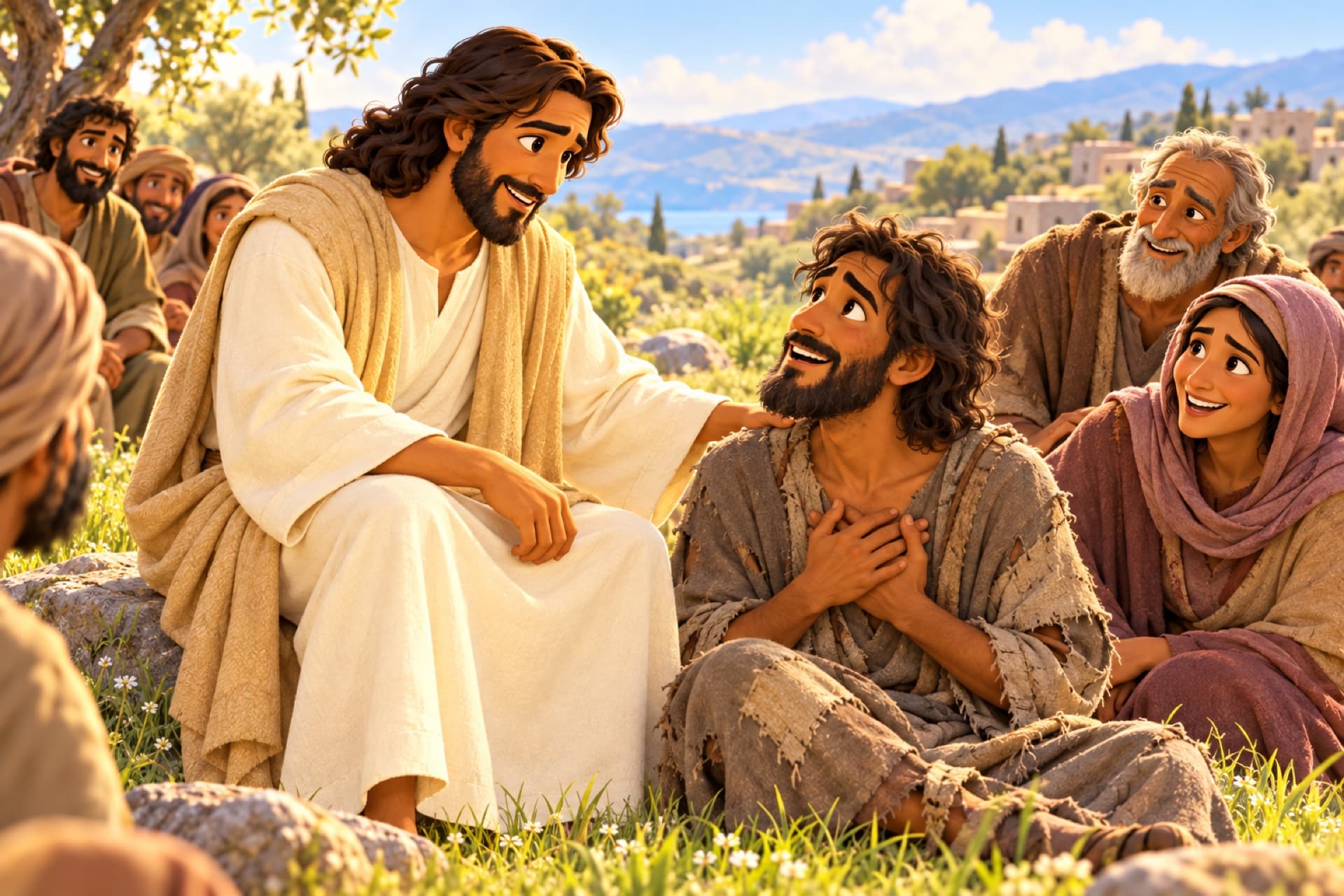
Matthew sets the scene: “His disciples came to him, and he began to teach them” (Matthew 5:1–2). The crowds listened in.
And the first words aren't orders. They're blessings:
“Blessed are the poor in spirit, for theirs is the kingdom of heaven.”
Matthew 5:3
The sermon starts with a gift, given to people who know they have nothing to bring.
Then come the commands, and they're concrete. Make peace before you worship (Matthew 5:23–24). Don't look at a woman lustfully (5:28). Just say yes or no (5:37). If someone forces you to go one mile, go two (5:41). Love your enemies (5:44). Forgive (6:14–15).
Sources:Matthew 5:1–2Matthew 7:28–29Matthew 5:3–12Matthew 5:23–24Matthew 5:28Matthew 5:37Matthew 5:41Matthew 5:44Matthew 6:14–15
Two builders
Jesus ends the sermon with a picture:
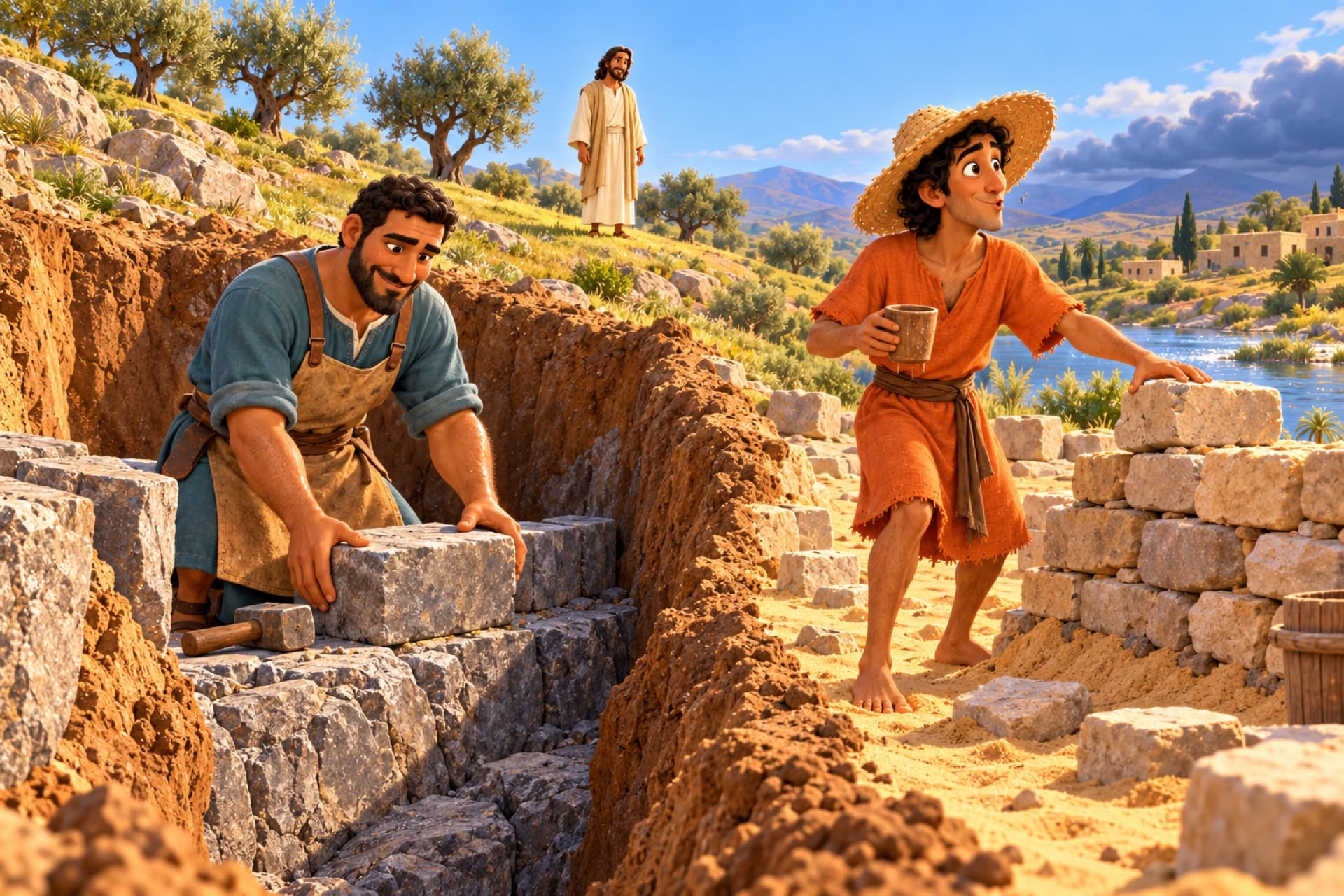
“Therefore everyone who hears these words of mine and puts them into practice is like a wise man who built his house on the rock.”
Matthew 7:24
And the other man? “But everyone who hears these words of mine and does not put them into practice is like a foolish man who built his house on sand” (Matthew 7:26). Both men heard the same words, and the same storm hit both houses. What set them apart was whether they did what they heard.
Just before that, Jesus warned: “Not everyone who says to me, ‘Lord, Lord,’ will enter the kingdom of heaven, but only the one who does the will of my Father who is in heaven” (Matthew 7:21). In Luke he asks it straight out: “Why do you call me, ‘Lord, Lord,’ and do not do what I say?” (Luke 6:46).
Sources:Matthew 7:24–29Matthew 7:24–27Matthew 7:21–23Luke 6:46–49
For every nation
And after he rose, Jesus's last words in Matthew send it all to the whole world:
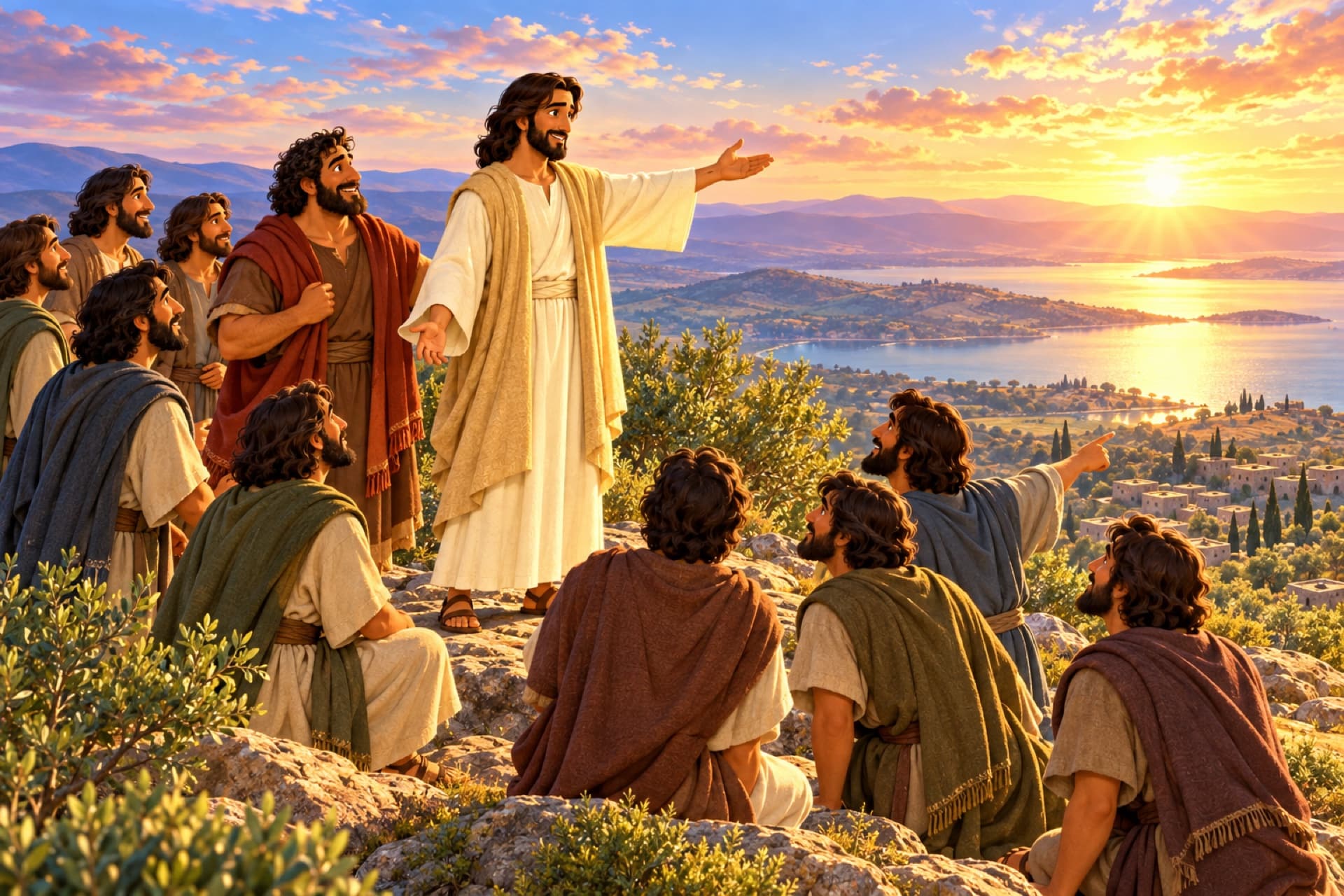
“…go and make disciples of all nations… teaching them to obey everything I have commanded you. And surely I am with you always, to the very end of the age.”
Matthew 28:19–20
Everything he commanded, for every nation, until the end. That includes the sermon.
Sources:Matthew 28:16–20
For a later age?
But plenty of Christians have been taught the sermon isn't for them now. One reading comes from C. I. Scofield's famous study Bible. Its 1917 notes say:
“…the Sermon on the Mount in its primary application gives neither the privilege nor the duty of the Church. These are found in the Epistles.”
C. I. Scofield, Scofield Reference Bible (1917), notes on Matthew 5
To be fair, Scofield still saw “a beautiful moral application to the Christian.” But not the church's duty.
His own example was forgiveness. He wrote that under the kingdom's law, “no one may hope for forgiveness who has not first forgiven.” Under grace, he said, we forgive because we've already been forgiven. But Jesus says the same thing outside the sermon. When Peter asked how many times he had to forgive, Jesus said, “not seven times, but seventy-seven times” (Matthew 18:22).
Then he told a story. A king canceled a servant's debt, ten thousand bags of gold, more than he could ever pay. That servant went out, found a man who owed him a hundred silver coins, grabbed him and began to choke him. So the king called him back: “Shouldn't you have had mercy on your fellow servant just as I had on you?” (Matthew 18:33). And Jesus ended: “This is how my heavenly Father will treat each of you unless you forgive your brother or sister from your heart” (Matthew 18:35). He says it again in Mark 11:25 and Luke 6:37.
One story holds together what Scofield split in two. We're forgiven first, all of it, by grace. And the forgiven must forgive.

Sources:C. I. Scofield, Scofield Reference Bible (1917), notes on Matthew 5Scofield Reference BibleSermon on the Mount: interpretations (after McArthur, Understanding the Sermon on the Mount, 1960)Matthew 18:21–22Matthew 18:21–35Mark 11:25Luke 6:37Ephesians 4:32
He says it again
And it isn't only forgiveness. The sermon says, “First go and be reconciled” (Matthew 5:24). Later Jesus shows his disciples how, step by step, and this time he names the church: “If they still refuse to listen, tell it to the church” (Matthew 18:15–17).
The sermon says to love your enemies (Matthew 5:44). On the cross, he prayed for the men who crucified him: “Father, forgive them, for they do not know what they are doing” (Luke 23:34).
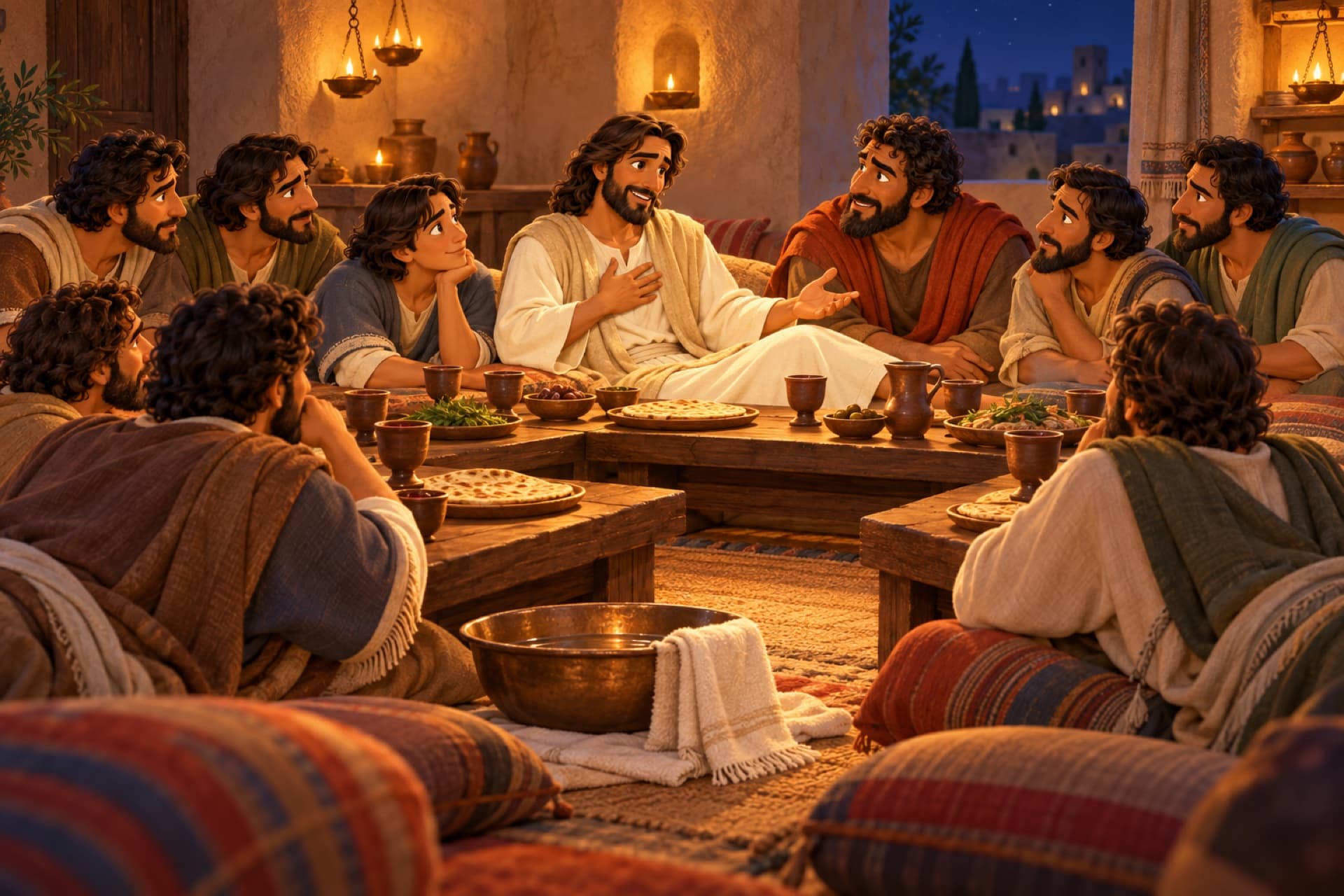
The night before, he gave them a new command: “Love one another. As I have loved you, so you must love one another” (John 13:34). And he said, “If you love me, keep my commands” (John 14:15).
Jesus says these things again and again. So Bible teacher Chris White puts it plainly: “So to reject the Sermon on the Mount as not Christian is to reject all of Jesus’ teachings as not Christian.”
Sources:Matthew 5:23–24Matthew 18:15–17Matthew 5:44Luke 23:34John 13:34John 14:15Chris White, “The Deformation – Part 3: Martin Luther, ‘Works of the Law’ and the Sermon on the Mount” (Vine Abiders, 2025)
Prayers for now
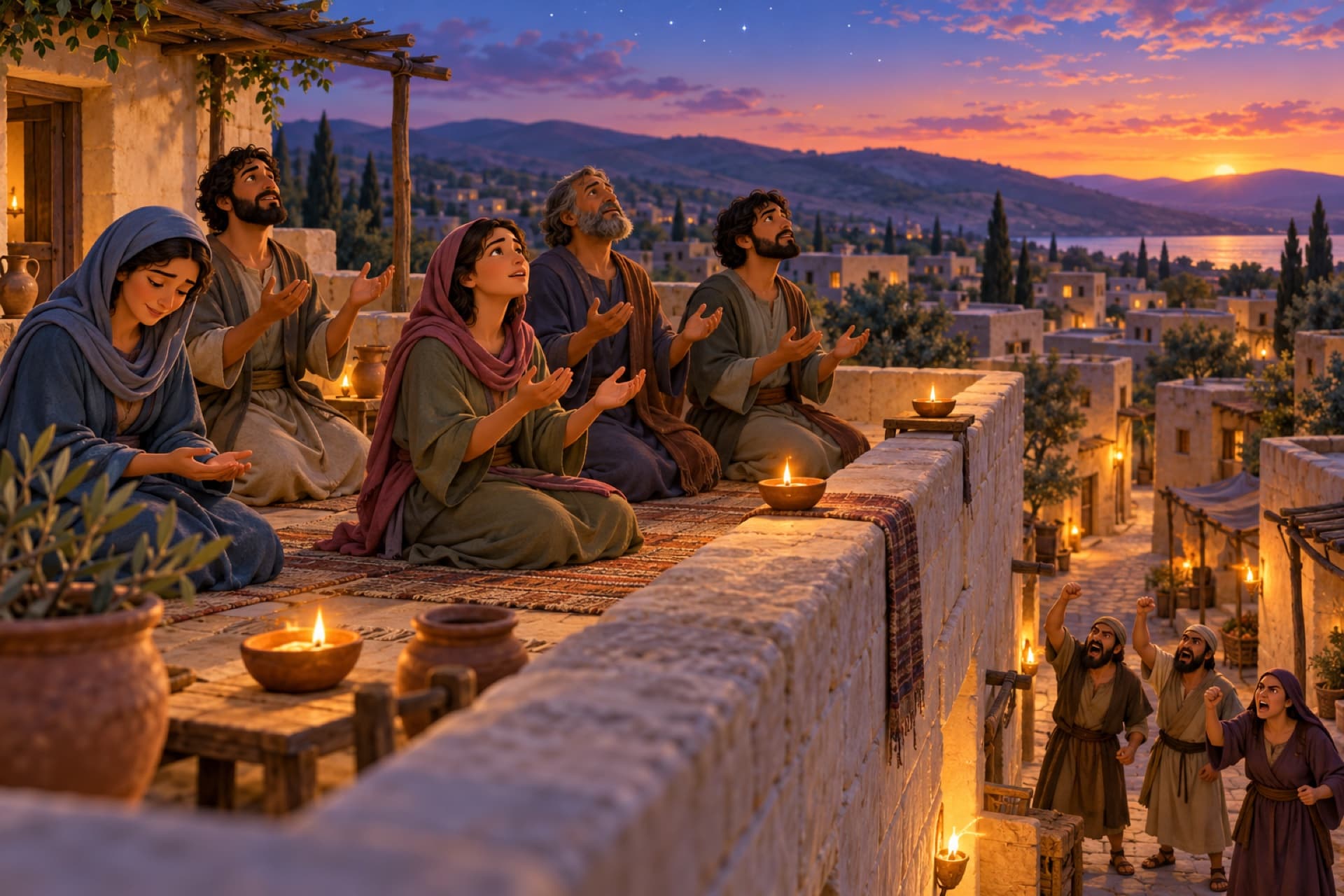
And read the sermon itself. It tells you to “pray for those who persecute you” (Matthew 5:44), and to pray, “your kingdom come” (Matthew 6:10).
If this were the law for when Christ reigns on earth, who would be persecuting you? And why pray for the kingdom to come? Those are prayers for now.
And the letters Scofield pointed to teach the same thing to the church. Paul writes:
“Bless those who persecute you; bless and do not curse.”
Romans 12:14
Sources:Matthew 5:43–45Matthew 6:9–10Romans 12:141 Peter 3:9
An impossible ideal?
The second reading says Jesus set the bar impossibly high on purpose, to send us running to him. It's often pinned on Martin Luther, but he insisted its commands are “necessary statutes,” not optional advice.
What about “Be perfect, therefore, as your heavenly Father is perfect” (Matthew 5:48)? The word is teleios: complete, mature, full-grown. James uses it when he says, “so that you may be mature and complete” (James 1:4). And where Luke gives this part of the sermon, Jesus says, “Be merciful, just as your Father is merciful” (Luke 6:36). He's calling his children to a whole, undivided love like their Father's, the kind that loves enemies too.
So was the sermon only there to show us we can't? It does humble us. But it ends with doing. And it teaches disciples to keep praying, “forgive us our debts” (Matthew 6:12). Jesus expects followers who stumble, repent, and keep building.
Sources:Sermon on the Mount: interpretations (after McArthur, Understanding the Sermon on the Mount, 1960)Lisa Sowle Cahill, “The Ethical Implications of the Sermon on the Mount,” Interpretation 41 (1987)Luther, Commentary on the Sermon on the Mount, tr. Charles Hay (1892), on Matthew 5:18Matthew 5:43–48τέλειος (teleios), Strong's G5046Matthew 5:48, Greek interlinearJames 1:4, Greek interlinearLuke 6:27–36Matthew 7:24Matthew 6:12
The Didache
Chris White makes another claim: “The early church believed that the Sermon on the Mount and the rest of Jesus’ teachings were meant to be obeyed by every Christian.” Their own writings survive, so we can check.
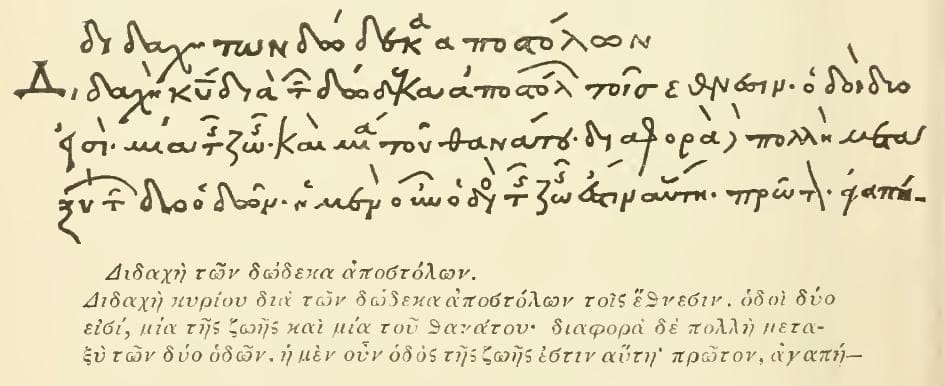
The Didache is a handbook for new believers written around AD 100. Its only complete copy is a manuscript in Jerusalem, copied in 1056. It teaches: “Bless those who curse you, and pray for your enemies, and fast for those who persecute you.”
And:
“If someone gives you a blow upon your right cheek, turn to him the other also, and you shall be perfect.”
Didache 1:4, tr. M. B. Riddle (1886)
Sources:Chris White, “The Deformation – Part 3: Martin Luther, ‘Works of the Law’ and the Sermon on the Mount” (Vine Abiders, 2025)Didache 1, tr. M. B. Riddle (Ante-Nicene Fathers 7, 1886)Didache
Justin, to the emperor
Around AD 155, Justin, a Christian philosopher in Rome, wrote to the emperor Antoninus Pius to defend the Christians. He said:
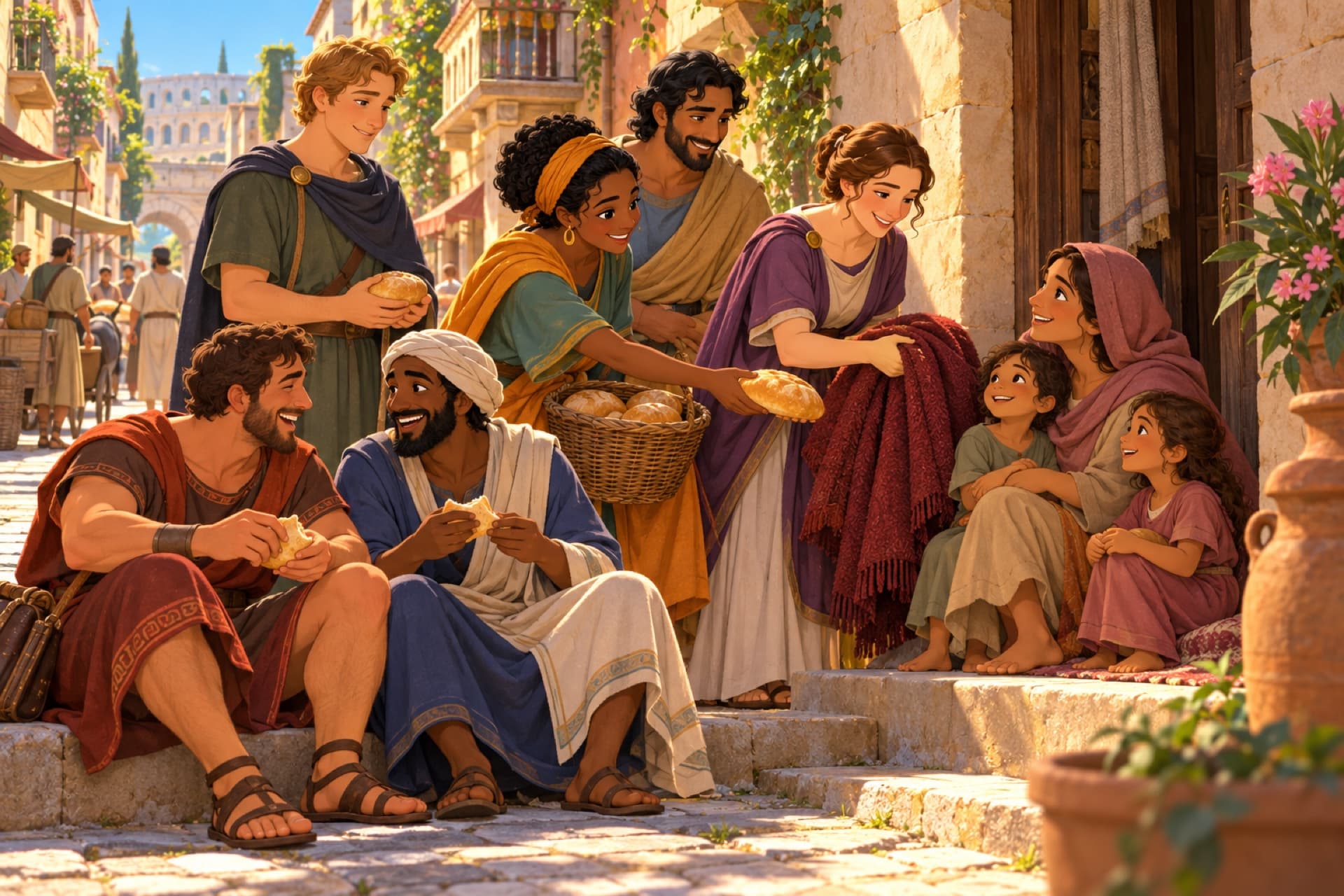
“…we who hated and destroyed one another, and on account of their different manners would not live with men of a different tribe, now, since the coming of Christ, live familiarly with them, and pray for our enemies…”
Justin Martyr, First Apology 14, tr. Dods and Reith (1885)
Then he quoted the sermon line after line, and wrote: “let those who are not found living as He taught, be understood to be no Christians, even though they profess with the lip the precepts of Christ.”
Sources:Justin Martyr, First Apology 14–16, tr. Dods and Reith (Ante-Nicene Fathers 1, 1885)Justin Martyr
James heard it
Jesus's brother James didn't believe in him at first (John 7:5). After the resurrection he led the church in Jerusalem, and his letter keeps echoing the sermon. Jesus said, “Ask and it will be given to you” (Matthew 7:7). James wrote: “If any of you lacks wisdom, you should ask God, who gives generously to all without finding fault, and it will be given to you” (James 1:5).
And James has his own picture for the same thing:
“Do not merely listen to the word, and so deceive yourselves. Do what it says.”
James 1:22
“Anyone who listens to the word but does not do what it says is like someone who looks at his face in a mirror and, after looking at himself, goes away and immediately forgets what he looks like” (James 1:23–24). Hearing without doing is a glance in the mirror. You walk away, and nothing changes.
Later he puts it bluntly: “As the body without the spirit is dead, so faith without deeds is dead” (James 2:26). It's the two builders again: faith that hears and never builds.

Sources:John 7:51 Corinthians 15:7Galatians 1:19Acts 15:13–21Matthew 7:7James 1:5James 1:22–25James 2:14–26
Isn't that earning it?
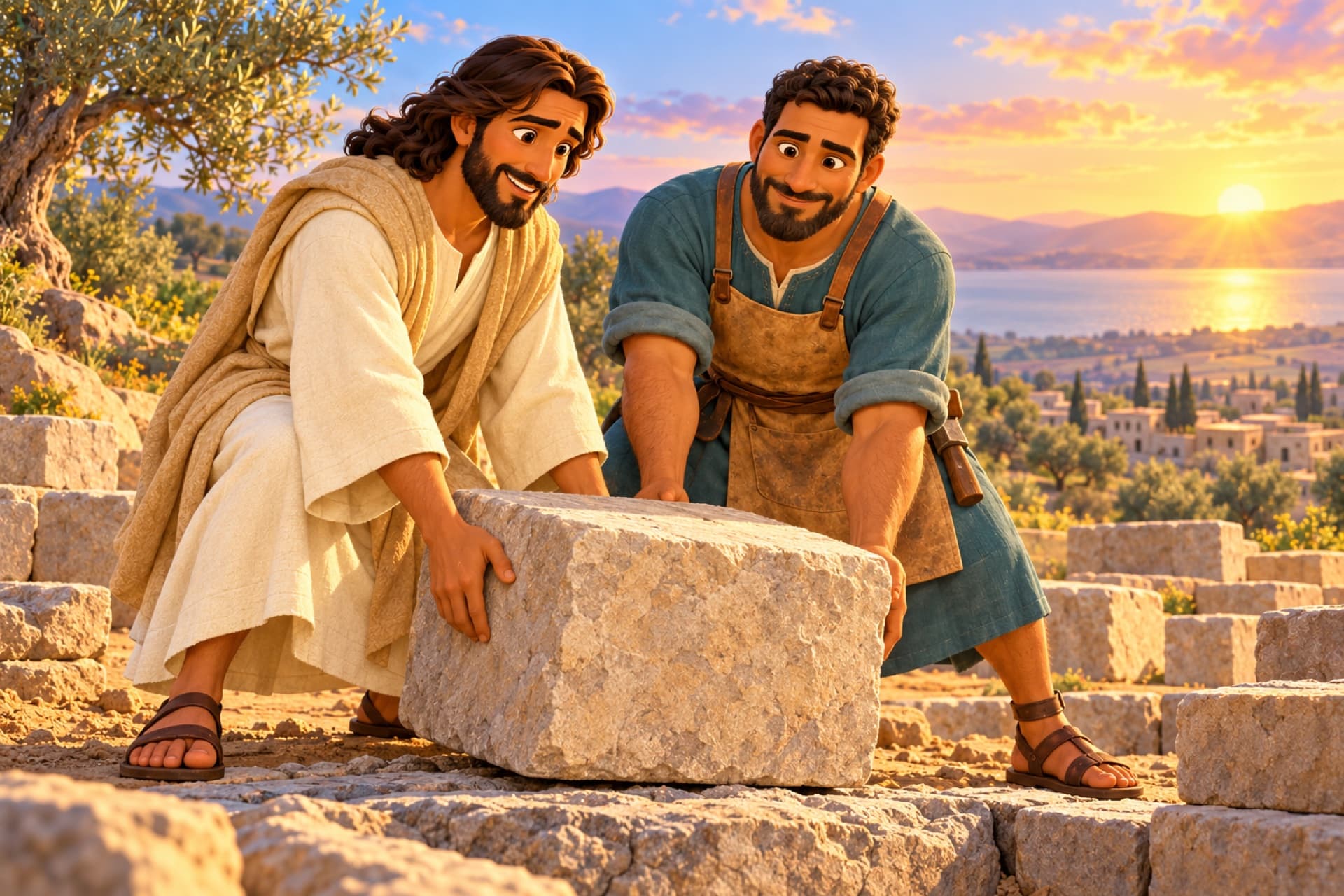
But doesn't all this turn salvation into something we earn? Look where the sermon starts: with a kingdom given to the poor in spirit. And the one preaching it came to give his life for us.
Every one of us has heard his words and not done them (Romans 3:23). We've all built on sand. So Jesus came “to give his life as a ransom for many” (Mark 10:45). He died for our sins, broke the devil's hold on us, and on the third day God raised him from the dead (1 Corinthians 15:3–4; Hebrews 2:14–15). He forgives the builder on the sand, makes him his own, and teaches him to build again.
That rescue is a gift. Paul says God “saved us, not because of righteous things we had done, but because of his mercy” (Titus 3:5). And he says what we're saved for:
“…to purify for himself a people that are his very own, eager to do what is good.”
Titus 2:14
So we obey him because we're his. He's our King now, and his words are where we build.
Sources:Matthew 5:3Mark 10:45Romans 3:231 Corinthians 15:3–4Hebrews 2:14–15Titus 3:4–5Titus 2:11–141 Corinthians 6:19–20
Check yourself
How does Jesus end the Sermon on the Mount?Show the answer
With two builders. Everyone who hears his words and puts them into practice is like a wise man who built his house on the rock; the one who hears and doesn't is like a man who built on sand (Matthew 7:24–27).
Why can't the sermon be only for a later age?Show the answer
Jesus sent everything he commanded to every nation until the end of the age (Matthew 28:19–20), he says its hardest words again outside it (Matthew 18:35), it has us pray for persecutors and for the kingdom to come, and Paul teaches the church the same thing (Romans 12:14).
In the story of the unforgiving servant, which comes first: the king’s mercy or his demand?Show the answer
The mercy. The king cancels a debt the servant could never pay, and only then asks, “Shouldn't you have had mercy on your fellow servant just as I had on you?” (Matthew 18:33). We're forgiven first, by grace, and the forgiven must forgive (Matthew 18:35).
What does “Be perfect” (Matthew 5:48) mean?Show the answer
The word is teleios: complete, mature, full-grown. In Luke, Jesus says, “Be merciful, just as your Father is merciful” (Luke 6:36): a whole, undivided love like the Father's.
Did the early church think the sermon was meant to be obeyed?Show the answer
Yes. The Didache (about AD 100) teaches its new believers to bless those who curse them and turn the other cheek, and Justin Martyr (about AD 155) wrote that those not living as Jesus taught should be understood to be no Christians.
If we're meant to obey, do we earn salvation?Show the answer
No. The sermon starts with a gift to the poor in spirit, and Jesus gave his life as a ransom. God saved us because of his mercy (Titus 3:5), to make us a people that are his very own, eager to do what is good (Titus 2:14). We obey because we belong to him.
Build on the rock
Jesus began preaching with one call: “Repent, for the kingdom of heaven has come near” (Matthew 4:17). And he still says, “Come, follow me” (Matthew 4:19).
You can answer him now. Jesus, thank you for giving your life for me and rising again. I've heard your words and not done them. I turn from my sin. I trust you, and I give you my life. Teach me to obey you. You are my Lord.
Then build your life on his words. “The rain came down, the streams rose, and the winds blew and beat against that house; yet it did not fall, because it had its foundation on the rock” (Matthew 7:25).